
Our customer support team is here to answer your questions. Ask us anything!

Chat with us on WhatsApp

In Nigeria, every new mobile subscription must comply with regulatory mandates for SIM registration and Know Your Customer (KYC) procedures. The Nigerian Communications Commission (NCC) enforces that mobile network operators link subscriptions to a valid national ID (via the National Identity Management Commission, NIMC) and capture accurate subscriber data to reduce fraud and criminal misuse. This has created a market for specialist companies that deliver biometric data capture, ID verification (NIN/BVN), facial recognition, liveness checks, and real-time validation workflows. Firms like Seamfix have processed tens of millions of registrations and helped major operators meet compliance deadlines. Meanwhile, Youverify, Mobilise and other tech providers enable streamlined onboarding for telcos, MVNOs, and ISPs, allowing remote self-service registration, agent workflows and regulatory audit trails. The rise of digital onboarding means that physical queues are being replaced by apps and kiosks. This segment is critical because accurate subscriber data underpins safe telecommunications, mitigates SIM swap fraud, and aligns with national security and fintech regulatory frameworks. Choosing a trusted KYC/SIM-registration partner ensures telcos comply, customers activate quickly, and subscribers are verified to high standards.

The luxury jewelry industry in Nigeria has evolved into a sophisticated market that blends cultural artistry with global luxury standards. Nigerian consumers increasingly seek fine jewelry pieces that reflect elegance, wealth, and personal expression, whether for weddings, engagements, celebrations, corporate events, or everyday luxury styling. Nigeria’s top luxury jewelry brands specialize in crafting high-quality pieces using certified diamonds, 18k–24k gold, platinum, sterling silver, and rare gemstones sourced from reputable global markets. Many of these jewelers offer bespoke custom jewelry services, allowing clients to design unique rings, necklaces, bracelets, earrings, and statement pieces tailored to personal tastes. These brands maintain high levels of craftsmanship, authenticity, durability, and customer service, often featuring expert goldsmiths and international-level jewelry designers. With showrooms located in Lagos, Abuja, and sometimes online-only platforms, these luxury jewelry brands cater to a refined clientele that values quality and prestige. Their reputation is strengthened through social media presence, celebrity endorsements, wedding culture influence, and long-standing customer trust.
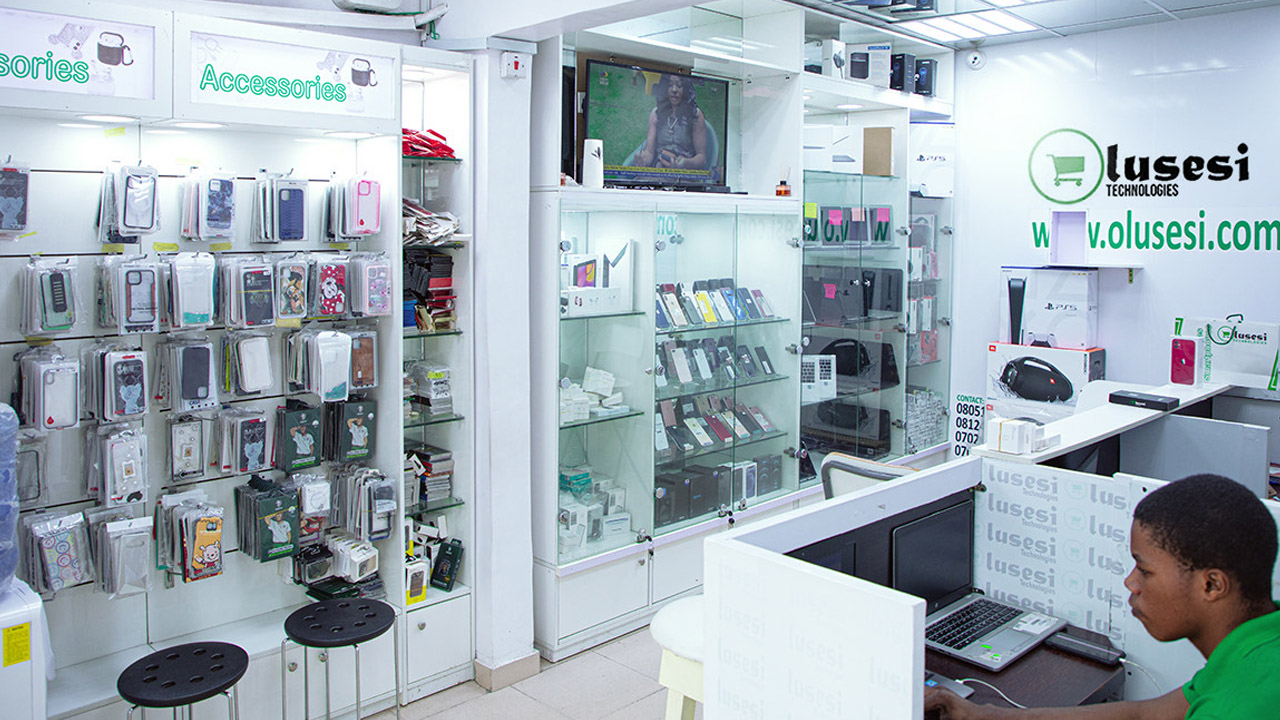
Nigeria’s gadget and tech retail market has grown rapidly in the past decade, driven by increased smartphone penetration, digitalization, and online shopping adoption. Consumers now prioritize authenticity, warranty, and convenience, pushing both online and offline retailers to raise their standards. Jumia and Konga dominate the online market with their vast product range and nationwide delivery systems, while Slot, Pointek, and 3CHub lead in physical store presence across major cities. These companies ensure product authenticity through brand partnerships and warranty programs. Kara, Finet, and ParktelOnline blend e-commerce flexibility with trustworthy service, giving customers easy access to the latest gadgets. Meanwhile, JustFones and SlotXpress represent the new wave of hybrid tech retailers focusing on digital-first shopping. Overall, gadget and tech stores in Nigeria have evolved beyond just selling electronics — they now offer trade-ins, installment payments, repairs, and after-sales support, creating a modern ecosystem that fuels the nation’s growing tech culture.

Yacht and boat rental services in Nigeria have become increasingly popular among luxury travelers, corporate executives, holidaymakers, and lifestyle enthusiasts seeking exclusive leisure experiences. These services offer private cruises, island tours, birthday boat parties, romantic dinner cruises, pre-wedding shoots, coastal sightseeing, and VIP water transportation. Lagos, particularly the Victoria Island and Lekki shoreline, as well as coastal regions like Calabar and Port Harcourt, are major hubs for yacht and boat rental operations. The best companies offer well-maintained luxury yachts, speedboats, catamarans, and leisure cruisers equipped with sound systems, lounges, decks, catering, and onboard crew services. Safety, comfort, privacy, and customer hospitality are key standards upheld by top operators. Whether it's a private celebration, corporate retreat, or adventure tourism, these yacht rental companies provide elegant, unforgettable water experiences. Many also offer customized packages to accommodate various budgets and group sizes. Nigeria’s vibrant coastal culture continues to promote yacht lifestyle experiences, making luxury boat cruises a signature relaxation activity for both residents and visitors.

The private jet charter industry in Nigeria has expanded significantly due to growing demand from business executives, government officials, celebrities, expatriates, and luxury travelers who value speed, privacy, and flexible travel schedules. Private jet charter companies in Nigeria offer a range of aviation services such as on-demand flight bookings, executive jet leasing, aircraft management, VIP airport transfers, helicopter services, and international flight arrangements. These companies operate fleets that include light jets, mid-size jets, heavy jets, and luxury long-range aircraft such as Gulfstream, Bombardier, Embraer, and Cessna Citation models. Safety, reliability, confidentiality, and premium hospitality are key service standards maintained by leading aviation operators. Many provide personalized concierge support, inflight catering, ground handling, and seamless immigration facilitation. Lagos and Abuja remain the primary operational hubs due to business and diplomatic travel volume. Whether for corporate travel, medical evacuation, tourism, or private special occasions, Nigeria’s top private jet charter companies ensure convenience, status, and a refined travel experience that meets global aviation standards.

Nigeria’s smartphone market is one of Africa’s largest, driven by a young, tech-savvy population and rising internet adoption. Affordable Android devices dominate, with TECNO, Infinix, and Itel—all under Transsion Holdings—capturing over 60% of the market share. These brands succeed by offering budget-friendly phones with strong batteries and reliable cameras tailored to local needs. Premium brands like Samsung and Apple appeal to middle and upper-income users seeking quality, security, and prestige, while Xiaomi, Oppo, and Vivo are rapidly growing with competitive pricing and modern technology. Nokia continues to be favored for its reliability, and Huawei remains a key player in innovation. The growing demand for 4G and 5G connectivity, digital banking, and social media has boosted smartphone usage nationwide. As competition intensifies, Nigerian consumers benefit from diverse choices that blend affordability with modern technology—making Nigeria a key battleground for global smartphone brands.

Luxury watches in Nigeria represent status, class, and refined taste. The market for premium timepieces has grown significantly, driven by high-net-worth individuals, business executives, entertainment personalities, and collectors who value craftsmanship, exclusivity, and brand legacy. Luxury watch retailers in Nigeria offer original, high-end brands such as Rolex, Audemars Piguet, Hublot, Patek Philippe, Tag Heuer, Omega, Cartier, and Richard Mille. These retailers often operate through luxury showrooms, private sales consultations, and verified resell platforms. They provide authentication services, after-sales maintenance, repair servicing, and sometimes trade-in options for collectors looking to upgrade. The best luxury watch dealers are known for trustworthiness, product authenticity, and discreet client experiences. Many of them import directly from authorized sources and maintain relationships with international watch networks. Some retailers also curate rare limited-edition watches for serious collectors. The rise of digital luxury shopping has further strengthened these dealers’ presence across Lagos, Abuja, and Port Harcourt. Whether purchasing for investment, elegance, or personal identity, Nigeria’s top luxury watch retailers continue to deliver value and exclusivity to their sophisticated clientele.

The wedding planning industry in Nigeria has grown into a thriving and highly professional sector, with many couples now seeking expert assistance to create memorable and well-coordinated celebrations. Wedding planners in Nigeria provide a full range of services including event design, budgeting, logistics, vendor sourcing, venue styling, guest coordination, entertainment setup, and day-of supervision. Their skill and creativity help transform ideas and cultural traditions into stunning and seamless experiences. Known for high-quality décor, attention to detail, and exceptional organization, the best wedding planners create unique, elegant weddings that reflect a couple’s personality and lifestyle. These planners often work with premium decorators, caterers, photographers, fashion stylists, makeup artists, and entertainers to deliver luxury and well-curated events. Whether it is a lavish society wedding, a destination ceremony, or an intimate private celebration, Nigeria’s leading wedding planners consistently produce unforgettable results. Their reputation is built on creativity, professionalism, and the ability to execute timeless celebrations that meet global standards.

Telecom infrastructure providers form the backbone of Nigeria’s digital ecosystem, enabling voice, data, and broadband connectivity nationwide. These companies build and maintain towers, fibre networks, and satellite systems that support millions of mobile and internet users daily. Market leaders such as IHS Towers and Helios Towers manage extensive tower networks that host mobile operators like MTN, Airtel, and GLO, reducing costs and expanding rural coverage. MainOne, Broadbased Communications, and Phase3 Telecom provide fibre and data infrastructure essential for high-speed broadband and enterprise solutions. Meanwhile, global technology giants Huawei and ZTE supply advanced 4G/5G network equipment and integration services that enhance national connectivity. Emerging firms like Pan African Towers focus on green and shared infrastructure solutions to promote energy-efficient expansion. Together, these companies drive Nigeria’s digital transformation, fostering stronger communication networks, economic growth, and technological advancement.

Broadband connectivity in Nigeria has become a key driver of the nation’s digital transformation. With over 150 million active internet users, demand for fast and reliable broadband is at an all-time high. Companies like MTN, Airtel, and IPNX lead the sector, investing heavily in 4G and 5G technologies, while fibre-based providers such as FibreOne and Spectranet ensure consistent high-speed connections for homes and offices. Emerging players like Tizeti and NTEL offer affordable unlimited internet options powered by solar and wireless innovations, bridging digital gaps in underserved areas. Meanwhile, Smile, Swift, and Coollink cater to professionals, enterprises, and remote users requiring secure, dependable connections. The broadband industry’s growth is critical to Nigeria’s economy, fueling advancements in e-commerce, fintech, entertainment, and education. As fibre expansion and 5G adoption accelerate, Nigeria is positioned to become one of Africa’s most connected nations — delivering faster speeds, broader coverage, and more inclusive digital access.

Nigeria’s mobile network industry is one of Africa’s largest and most competitive, serving over 220 million subscribers. The market is driven by innovation, data expansion, and a youthful, tech-savvy population. Operators such as MTN and Airtel dominate with nationwide coverage, while GLO and 9mobile continue to enhance service delivery through affordable data and innovative plans. Broadband-focused companies like Smile, Spectranet, and NTEL cater to customers seeking high-speed internet for streaming, business, and education. In recent years, the push toward 5G technology has reshaped the industry, with MTN and Airtel leading in rollout and network modernization. Alternative ISPs like Tizeti, Swift, and Coollink provide wireless and satellite-based internet access, bridging connectivity gaps in underserved regions. The sector’s continued growth contributes significantly to Nigeria’s digital economy, empowering communication, fintech, and e-commerce ecosystems across all states.

Spa and wellness centers in Nigeria have become increasingly popular as more people embrace relaxation, stress relief, and self-care as key components of a healthy lifestyle. These centers offer a wide range of services including therapeutic massages, facials, aromatherapy, hydrotherapy, body scrubs, steam baths, yoga, and holistic wellness treatments. The best spa and wellness facilities combine modern health therapy techniques with serene environments that promote emotional restoration and total body rejuvenation. Many of these top centers are staffed by trained therapists who specialize in tailored treatments for fatigue, muscle tension, skin revitalization, and mental relaxation. Located mainly in Lagos, Abuja, and Port Harcourt, these wellness destinations often feature luxurious interiors, calming music, natural oils, and world-class hygiene practices. Their focus is not just beauty, but whole-body wellness, making them ideal retreats for professionals, couples, travelers, and anyone seeking an escape from daily stress. Nigeria’s leading spa and wellness centers continue to raise standards by offering consistent quality service, premium products, and peaceful environments.

The beauty salon industry in Nigeria has grown remarkably over the years, driven by a strong cultural emphasis on appearance, elegance, and self-care. Beauty salons today offer more than basic hair styling—they provide holistic beauty services including makeup artistry, nail care, facials, spa massages, skincare treatments, and grooming consultations. Many of the top salons use modern equipment, certified stylists, premium beauty products, and personalized techniques tailored to individual client needs. These salons cater to clients seeking luxury aesthetics, professional beauty maintenance, bridal glam services, celebrity styling, and trend-focused looks. Located mainly in cities like Lagos, Abuja, and Port Harcourt, the best beauty salons have become lifestyle destinations, delivering ambience, comfort, and high-level customer service. Their commitment to continuous training, innovation, hygiene, and client satisfaction sets them apart in the competitive beauty industry. Whether for a special event makeover or routine pampering, Nigeria’s top salons ensure transformational and confidence-boosting results, positioning themselves at the forefront of beauty culture in West Africa.

Lagos is Nigeria’s commercial and cultural hub, so it naturally hosts a rich ecosystem of event venues, ranging from hotel ballrooms and dedicated convention centres to waterfront halls and multi-purpose event complexes. The best venues typically offer high ceiling halls, state-of-the-art audio-visual infrastructure, reliable power backup, ample parking and multiple layout options (banquet, theatre, exhibition). For example, there are hundreds of event venues across Lagos—including 299 five-star rated venues per one directory listing. Rentech Digital +1 Venues such as those listed above dominate review roundups because they combine accessibility (Victoria Island, Ikeja, Oniru), capacity (hundreds to thousands of guests), and versatile design (weddings, corporate, exhibitions). Booking platforms like iSabiVenues show Lagos listings numbering in the hundreds, helping planners search by capacity, price and event type. For anyone organising weddings, product launches, conferences or big-ticket celebrations in Lagos, choosing a venue involves balancing guest capacity, location (to avoid traffic delays), amenities (catering partnership, decor, AV) and cost. The venues above provide well-known, trusted options – so you spend less time vetting and more time focusing on event content.

Lagos is widely known as the entertainment capital of Nigeria, with a vibrant nightlife culture that attracts both locals and international visitors. The city comes alive at night with high-energy clubs, rooftop lounges, beachside party spots, live music venues, and exclusive VIP bars. Nightlife in Lagos caters to a wide range of tastes—from Afrobeat dance floors and hip-hop club scenes to chilled lounges where guests can enjoy cocktails, shisha, and soft ambient music. Many of the top nightlife spots feature world-class DJs, celebrity appearances, themed party nights, luxury bottle service, and premium sound and lighting systems for an unforgettable experience. These clubbing and nightlife venues often operate in trendy districts such as Victoria Island, Lekki, and Ikeja, attracting cultured partygoers, tourists, influencers, entertainers, and business elites. The ambiance, guest experience, music selection, customer service, and safety all contribute to the reputation of these hotspots. The best nightlife and clubbing spots in Lagos are known for offering stylish, lively, and memorable party experiences, making them the heart of the city’s social atmosphere.

Nigeria’s luxury bar and lounge scene has matured into a varied mix of rooftop cocktail bars, beachfront clubs, intimate wine bars and hotel-based lounges that serve both locals and international guests. Many top venues are clustered in Lagos (Victoria Island, Ikoyi, Lekki) and Abuja — locations that combine affluent crowds with better security and event infrastructure. These lounges distinguish themselves by professional mixology, curated drink menus (craft cocktails, premium spirits, wine lists), elevated décor and entertainment programming (DJ nights, live bands, themed events). Because venues often appear across multiple travel and city-guide roundups, aggregating review volumes and editorial mentions gives a reliable picture of which spots consistently deliver luxury experiences. Key guest priorities include ambience, service speed, drink quality, and safety; venues that score highly on these metrics appear frequently in regional guides. Recent guides and listings (2024–2025) highlight rooftop bars and hotel lounges as the fastest-growing luxury segment, reflecting demand for great views, curated cocktails and event spaces. Whether you want a quiet wine bar, a party-ready rooftop, or a refined hotel lounge for business entertaining, Nigeria’s top luxury bars now offer globally-competitive experiences while mixing local flavors and hospitality.

Lagos offers a rich and varied dining scene, reflecting its status as Nigeria’s commercial hub and one of Africa’s most dynamic cities. From high-end fine dining in Victoria Island to lively waterfront spots in Lekki, the restaurants here cater to both local tastes and international visitors. Many top restaurants emphasise not just food but ambiance—stylish décor, strong lighting, quality service and sometimes live entertainment. Authentic Nigerian flavours (jollof rice, suya, yam dishes) sit alongside Asian, Mediterranean, American and fusion cuisine, offering plenty of variety. Review platforms such as TripAdvisor and local directories capture rating data that show significant volumes of guest feedback this helps to identify the best restaurants. For visitors or locals in Lagos, choosing the right restaurant means considering location (e.g., Victoria Island, Lekki, Ikeja), style (fine dining vs casual lounge), cuisine preference and budget. Many of the best restaurants also cater to special occasions—birthdays, date nights, business dinners—with premium menus and reservation systems. Lagos dining continues to evolve, with new entrants focusing on themed nights, live music and fusion menus. Whether you’re in the mood for sushi and cocktails or traditional Nigerian comfort food, Lagos offers a strong selection of high-quality restaurants backed by credible review datasets.

Luxury car dealerships in Nigeria play a key role in supplying high-end automobiles to individuals, corporate executives, businesses, and government institutions. These dealerships specialize in brand-new, certified pre-owned, and foreign-used (Tokunbo) luxury vehicles from top global automakers such as Mercedes-Benz, Lexus, BMW, Range Rover, Audi, Porsche, and exotic brands like Bentley and Ferrari. Many of the leading dealerships are located in Lagos, Abuja, and Port Harcourt, offering not only vehicle sales but also after-sales services, maintenance, vehicle financing, detailing, and car customization. The luxury car market in Nigeria continues to grow as affluent professionals, entrepreneurs, and international investors seek comfort, style, and high performance in their vehicles. The best dealerships stand out for their authenticity, transparency, delivery reliability, and access to verified global auto suppliers. They also help clients with car importation, documentation, and registration processes. With increasing demand for premium automobiles and rising lifestyle standards, the top luxury car dealerships in Nigeria are recognized for providing high-quality vehicles, excellent customer service, and professional guidance in selecting the right automobile that fits the buyer’s status and driving preference.

Luxury real estate developers in Nigeria play a significant role in shaping the modern residential and commercial architectural landscape. These developers design and construct high-end housing estates, smart homes, exclusive apartments, luxury villas, and premium office spaces tailored to elite lifestyles and sophisticated tastes. Operating mainly in major cities such as Lagos, Abuja, and Port Harcourt, these companies integrate contemporary architectural designs, top-grade construction materials, and advanced home technologies to ensure comfort, safety, and prestige. Their projects often include waterfront properties, private estates, high-rise towers, golf resort communities, and gated smart neighborhoods with amenities such as swimming pools, gyms, recreational parks, private security, and concierge services. Luxury real estate development in Nigeria has grown as wealthy professionals, diaspora investors, and multinational companies continue to demand high-quality living and working environments. Many of these developers partner with international architects, interior designers, and global construction firms to ensure world-class build standards. The most reputable luxury real estate developers are highly regarded for customer satisfaction, architectural excellence, project transparency, and strong investment value, making them central figures in Nigeria’s real estate growth.

Car hire platforms in Lagos and Abuja have become increasingly important for both business travellers and local residents wanting flexibility, comfort, and control over their transport. In bustling cities like Lagos and Abuja, where public transport may not always meet personal or executive standards, these platforms offer everything from economy daily rentals to luxury SUVs and self-drive options. Good platforms provide clear booking flows (often via app or website), vehicle choice (sedans, SUVs, vans), insurance and driver options (chauffeur vs self-drive). They also serve both short-term (hour/day) and longer-term (week/month) rentals. Trusted reviews matter — platforms that display verified user feedback, transparent pricing (avoiding hidden fees) and responsive support stand out. For example, users cite self-drive providers allowing you to control the journey yourself. The best companies cover both Lagos and Abuja (often with airport pickup) and track customer satisfaction metrics such as fleet condition, timeliness of pickup/drop-off and driver professionalism. Challenges in Nigeria (fuel cost, traffic, vehicle maintenance) mean that reliability and clear terms become key differentiators. Renting a car with driver may cost more, but offers ease of navigation in heavy traffic. For self-drive, one must ensure valid license, insurance coverage and local driving familiarity. As demand grows (for corporate travel, events, expatriate relocations), these car hire platforms are evolving — adding app controls, driver-monitoring, GPS tracking and nationwide reach. In short, if you’re visiting or working in Lagos or Abuja and want to move around freely, choosing one of the top platforms above gives you a strong starting point.

Online flight-booking platforms in Nigeria have evolved rapidly over recent years, driven by increased internet penetration, mobile usage, and demand for travel flexibility. These platforms provide travellers a way to search, compare, and book flights (domestic and international) from the comfort of their home, rather than relying solely on travel agencies or airport ticket counters. Key advantages include access to multiple airlines and routes, real-time fare comparisons, ability to pay in Nigerian Naira, instant e-ticketing and often mobile or app support. However, the Nigerian context adds specific considerations: payment gateways must handle naira transactions and local banking cards; flight-booking platforms must support U.S. SDR or foreign currency issues when dealing with international flights; transparency about hidden fees is essential. Many sites emphasise “best price guarantee” and “no hidden fees” to reassure Nigerian users. For example, platforms advertise instant e-ticket issuance and round-the-clock service. The best platforms combine a user-friendly UI/UX (web + mobile), strong customer support (for cancellations, changes, refunds) and broad airline coverage (local carriers like Air Peace, Arik Air as well as international ones). As Nigerian travellers increasingly book online, trust, security, and flexibility (e.g., ability to change dates, book multi-city, pay easily) become distinguishing factors. In short, the top flight-booking platforms in Nigeria serve as essential tools for both leisure and business travel, offering convenience, choice and (when used well) savings.

Travel agencies in Nigeria play a vital role both for local travellers and international outbound journeys by offering full-service booking of flights, hotels, visa assistance, holiday packages and corporate travel solutions. Many of the top agencies operate online platforms, mobile apps and physical offices – adapting to Nigeria’s growing digital economy while serving clients across Lagos, Abuja and beyond. According to industry listings, there are about 145 registered travel agencies in Nigeria, and the leading ones distinguish themselves by accreditation (such as IATA membership), large booking volumes, multiple service lines (corporate, leisure, inbound & outbound) and strong customer-review profiles. For users, choosing a travel agency means evaluating transparency (hidden-fees risk), responsiveness (customer-service), network (flight/hotel access) and reliability (ticketing, visas). For corporate clients, agencies offering travel-management tools, duty-of-care services and global reach are preferred. The rise of online travel agencies (OTAs) in Nigeria has made comparison and self-booking easier, but well-established bricks-and-mortar agents still add value via personal service, emergency support and itinerary tailoring. With Nigeria’s growing outbound travel demand, diaspora movements and business mobility, the agency-market continues evolving — the best agencies now lean heavily on tech (apps, booking engines), service excellence and competitive pricing. Always check credentials, read reviews and verify refund/ cancellation policies before committing funds

Short-let apartment companies in Nigeria bridge the gap between hotel stays and longer-term property leases by offering fully furnished, serviced accommodations available from a few days up to several months. These companies thrive especially in business hubs like Lagos, Abuja and Port Harcourt where professionals, expats and travellers need flexible stays. Many platforms emphasise verified listings, secure payments and amenities such as 24/7 power backup, high-speed WiFi, kitchens and regular cleaning — crucial in the Nigerian context where infrastructure can be patchy. For example, listings in Lagos’s Lekki and Victoria Island areas frequently range from ₦30,000 up to ₦300,000 per night depending on size and service. Apartments.ng +1 The best companies differentiate by scale (number of units), service consistency, listing verification, host support and technology (apps, chat, calendar sync). For hosts, these platforms provide property-management, dynamic pricing and exposure. For guests, the appeal lies in homely comfort, flexibility of stay, and often cost-effectiveness compared to hotels. As demand for domestic travel, business stays and remote work grows in Nigeria, these short-let companies are becoming a significant part of the accommodation ecosystem.

Resorts in Nigeria offer a remarkable spectrum of experiences — from sun-drenched beach resorts on the Lagos coast, to elevated mountain retreats and lush golf resorts in the south-south. Many of the top resorts combine luxurious accommodation, engaging outdoor activities (such as water sports, cable-car rides, nature trails, spas, golf) and locally-inspired service. What makes them stand out is the blend of natural landscape (beaches, forests, mountains) with built-in amenities (pools, restaurants, wellness centres) and distinctive Nigerian culture — for example, design, hospitality, cuisine and nature-based experiences. For holiday-seekers, Nigeria’s resorts present viable alternatives to typical overseas destinations: you can stay within country and still enjoy unique features such as mangrove beaches, elevated mountain air, rainforest conservancies, or championship golf courses. For corporate retreats, families, honeymooners or solo travellers, the key is to choose location (coast vs mountain vs lake), ease of access (road or air), and the kind of amenities you want (spa, sport, nature-walks). The dry season (typically November to April) tends to offer the best conditions for outdoor-based resorts. With tourism infrastructure improving, Nigerian resorts are evolving fast — offering world-class comfort while celebrating local landscapes and hospitality.

Lagos is Nigeria’s largest city and economic hub, and its hotel landscape reflects both the intense pace of business travel and a growing demand for high-end leisure stays. Many of the top hotels are clustered in the districts of Victoria Island, Ikoyi and Ikeja, where international business, embassies and luxury neighborhoods are concentrated. These hotels tend to combine modern amenities (WiFi, conference spaces, spa, fitness centres) with international service standards and local flair (Nigerian cuisine, art, décor). For visitors, choosing a hotel in Lagos means balancing location (to avoid heavy traffic), comfort, and safety. Waterfront or high-rise hotels on Victoria Island often offer the best views and premium rates, while hotels closer to the airport or in Ikeja may offer more convenience for business travellers. Boutique hotels are also increasingly available, providing design-led stays rather than massive conference-scale properties. Given its vibrant culture, nightlife and business scenes, Lagos’s hotel market continues to evolve — and guests can now expect global brand standards alongside genuine Nigerian hospitality.

Abuja, Nigeria’s capital, has a sophisticated hospitality infrastructure catering to both business travellers and leisure guests. The best hotels in Abuja combine premium locations (often in districts such as Maitama, Wuse, Asokoro or the Central Business District), high service standards, modern amenities, and robust security. According to hotel-rating listings and aggregator sites, properties like Transcorp Hilton and Fraser Suites consistently rank at the top for guest satisfaction. Key factors influencing hotel choice in Abuja include: Proximity to business / government hubs: Many visitors are diplomats, corporate executives or participants in conferences, so staying near ministries, embassies or the city centre matters. Facilities and comfort: Large hotels offer outdoor pools, tennis courts, conference spaces, serviced apartments, and luxury dining; boutique hotels emphasise design, tranquil settings and personalised service. Safety and reliability: Given traffic, logistics and power backups being considerations, established hotels offering generator backup, secure environments and reliable amenities carry higher ratings. Value for purpose: While ultra-luxury hotels command premium rates, there are excellent mid-luxury options that balance cost with comfort—important for extended stays or mixed business/leisure travel. With the city continuing to develop and hosting international events, choosing one of the top rated hotels ensures a combination of comfort, convenience and local prestige. If you like, I can pull together best budget hotels in Abuja or family-friendly hotels in Abuja with links and price ranges.
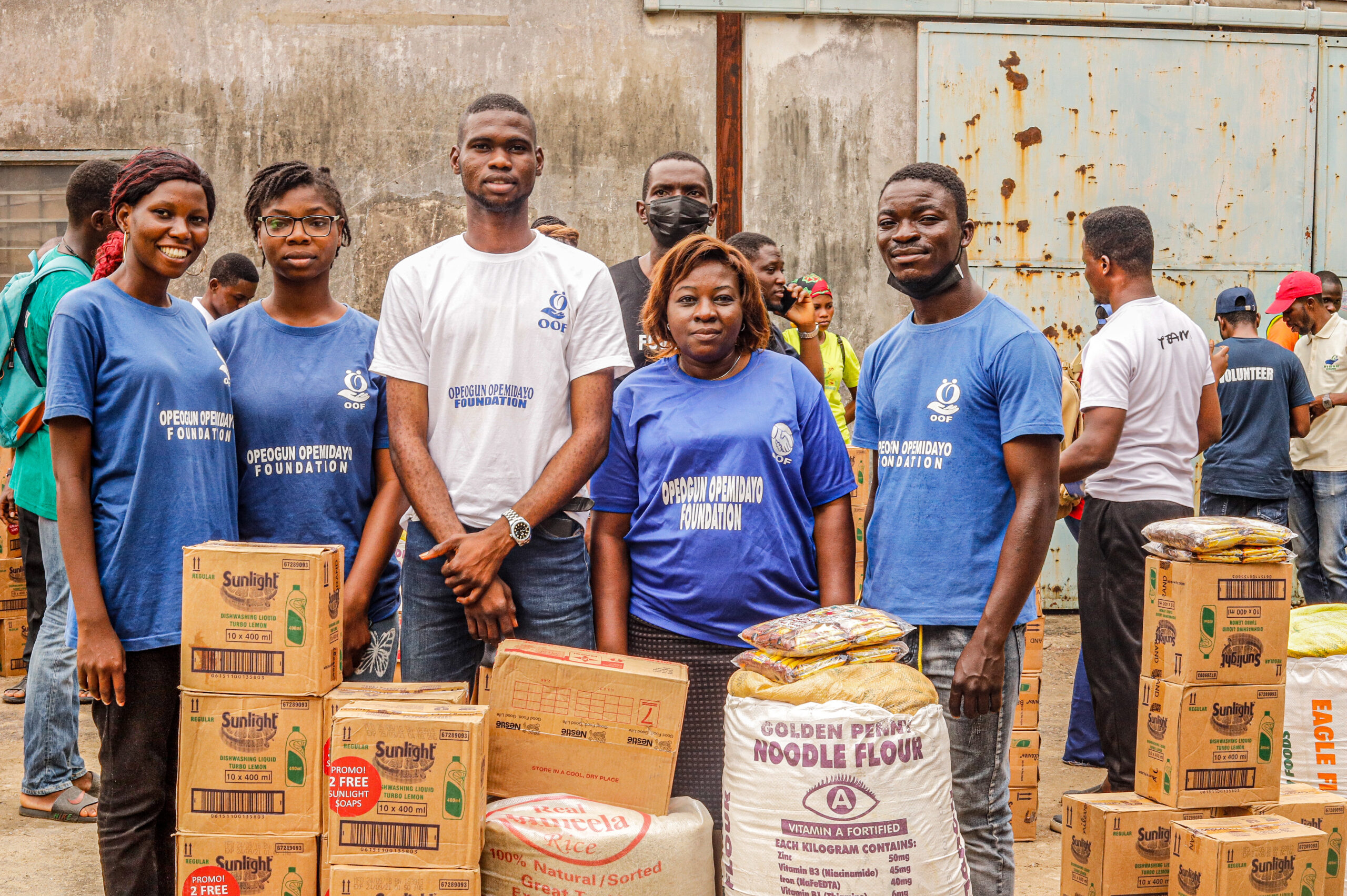
Health NGOs and foundations in Nigeria play a vital role in improving healthcare access, disease prevention, medical education, and community support services. Due to limitations in public healthcare infrastructure, these organizations help bridge the gap by offering free medical outreach, maternal and child health programs, HIV/AIDS care, immunization campaigns, emergency response services, mental health support, and public health awareness programs. Many health NGOs also collaborate with government agencies, international organizations, and private donors to enhance community health outcomes and promote preventive healthcare practices. The most impactful health NGOs and foundations are recognized for transparency, strong outreach programs, high community engagement, and measurable results. They operate across diverse regions—rural, semi-urban, and urban—and focus strategically on vulnerable populations, including women, children, and low-income families. Their work contributes significantly to reducing mortality rates, combating epidemics, and improving overall quality of life. With skilled healthcare volunteers, strategic partnerships, and sustainable health interventions, these organizations have become essential health pillars in Nigeria. Understanding the top health NGOs helps individuals and institutions identify reliable partners for health support and collaboration.

Herbal medicine brands in Nigeria play a vital role in providing natural and traditional alternatives to modern pharmaceutical treatments. Rooted in centuries-old African medicinal knowledge, these brands create products using herbs, roots, seeds, bark extracts, and essential oils believed to support wellness, prevent diseases, and promote healing. Many Nigerians trust herbal medicine because it is perceived as safer, more affordable, and better suited to the African body system. Over the years, several reputable herbal companies have refined their production processes to meet safety standards, improve dosage accuracy, and ensure product quality. These brands now produce herbal supplements for immunity boosting, weight control, sexual wellness, skin health, digestive treatment, blood cleansing, diabetes control, and general body detoxification. Some of them are certified by regulatory bodies such as NAFDAC, while others use GMP-compliant production methods. The growth of herbal medicine in Nigeria is further influenced by increased awareness of natural healing, wellness culture, and lifestyle diseases. The best herbal medicine brands in Nigeria are recognized for credibility, transparency, consistency, and positive consumer results.

The beauty and skincare industry in Nigeria has evolved remarkably over the past decade, driven by increasing self-care awareness, demand for quality cosmetics, and the influence of social media and beauty professionals. Many Nigerian beauty and skincare brands now create products tailored to African skin tones, hair textures, and climatic conditions, ensuring better effectiveness and healthier beauty care routines. These brands offer a wide range of products including skincare treatments, organic beauty solutions, hair care products, makeup lines, spa services, and wellness-based beauty programs. The industry also benefits from training academies and beauty schools that empower individuals—particularly women—with professional skills in makeup artistry, skincare therapy, hairstyling, nail care, and spa management. Several of these brands have gained both national and international recognition for their quality, innovation, and strong consumer trust. As Nigerians increasingly prioritize natural ingredients, safe formulations, and quality experiences, these top beauty and skincare brands continue to lead with consistency, research-based development, and solid customer service. They have become influential players in shaping beauty trends, boosting self-confidence, and contributing to the growth of the beauty economy in Nigeria.

Telemedicine platforms in Nigeria have played a transformational role in improving access to healthcare, especially with the challenges of long hospital wait times, distance barriers, and limited access to specialists in some regions. These platforms allow patients to consult medical doctors through video calls, chat, or voice calls, and in many cases, they also offer pharmacy delivery services, diagnostic test bookings, electronic medical records, and remote health monitoring. Telemedicine has bridged the gap between patients and qualified medical practitioners, providing quick, convenient, and affordable healthcare—especially for busy individuals, rural communities, and people managing chronic illnesses. The best telemedicine platforms in Nigeria are recognized for their technological efficiency, professional medical support teams, ease of use, secure patient data handling, and wide network of certified doctors. Many platforms integrate AI triage, appointment scheduling, wellness tracking, and health insurance partnerships to enhance service delivery. By enabling timely medical advice and preventive care, telemedicine has helped reduce self-medication, misdiagnosis, and unnecessary hospital visits across Nigeria. As the healthcare system continues to evolve, these platforms are playing an essential role in shaping the future of digital healthcare access.

The fitness and wellness industry in Nigeria has grown significantly over the past decade as more individuals embrace healthier lifestyles, physical fitness, and mental well-being. This growth is driven by increasing awareness of lifestyle-related diseases, urban influence on healthy living, and a rising culture of gym membership, personal training, yoga, dance fitness, and nutrition coaching. Fitness and wellness companies in Nigeria now provide a wide range of services, such as gym facilities, physiotherapy, spa treatments, weight-loss programs, diet counseling, corporate wellness programs, and holistic wellness retreats. Many of these organizations integrate modern exercise equipment, qualified instructors, experienced fitness coaches, and medical wellness experts to ensure safe and effective health improvement. Some companies operate large fitness centers in major cities like Lagos, Abuja, and Port Harcourt, while others specialize in boutique wellness services such as yoga, pilates, mindfulness coaching, and spa therapy. With increased demand for balanced wellness, stress management, and preventive healthcare, the top fitness and wellness companies in Nigeria continue to innovate and expand. Their services help individuals achieve fitness goals, enhance mental clarity, prevent illness, and maintain a healthy lifestyle.

Diagnostic centers play an essential role in healthcare delivery in Nigeria by providing accurate medical tests, imaging services, and laboratory analyses that help doctors make well-informed treatment decisions. These centers are equipped with advanced diagnostic tools such as MRI scanners, CT scanners, X-ray machines, ultrasound equipment, blood analyzers, and molecular testing systems. As Nigeria’s healthcare system continues to grow, the need for reliable diagnostic services has become increasingly important. Many diagnostic centers now offer specialized services in cardiology, oncology, neurology, pathology, and prenatal screening. The top diagnostic centers in Nigeria maintain strict quality control, employ experienced laboratory scientists, radiologists, and medical technicians, and adhere to international healthcare testing standards. Some operate independently, while others are attached to hospitals or operate as chains across multiple cities. They ensure accuracy, speed, confidentiality, and affordability in delivering results to patients and healthcare professionals. These diagnostic centers contribute greatly to early disease detection, chronic disease monitoring, and improved healthcare outcomes across the country. Therefore, knowing the best diagnostic centers in Nigeria helps individuals and medical practitioners choose reliable and efficient providers for various medical test needs.

The pharmaceutical industry in Nigeria plays a critical role in supporting healthcare delivery, ensuring access to essential medicines, and driving medical innovation across the country. With a growing population and increased demand for quality healthcare services, top pharmaceutical companies in Nigeria have expanded their operations to cover manufacturing, distribution, marketing, and research. These companies produce a wide range of medicines such as antibiotics, antimalarials, antivirals, pain relievers, vaccines, and other prescription and over-the-counter drugs. Many of them operate under strict regulatory standards set by NAFDAC to ensure safety and efficacy. Over the years, Nigeria’s pharmaceutical sector has attracted both local and international investment, leading to significant advancements in production technology and supply chain networks. Some companies are fully indigenous and have built strong reputations, while others operate as subsidiaries of major global pharmaceutical corporations. These firms not only meet domestic demand but also supply medicines to regional markets across West Africa. Therefore, the best pharmaceutical companies in Nigeria are vital in promoting public health and supporting national medical needs.

Health insurance providers in Nigeria play a crucial role in ensuring that individuals, families, and organizations have access to affordable and quality healthcare services. With rising medical costs and increased awareness of preventive care, more Nigerians are now subscribing to health insurance plans for financial protection and better access to treatments. These insurance providers partner with accredited hospitals, clinics, pharmacies, and specialists across the country to deliver comprehensive coverage ranging from consultations, diagnostics, surgeries, maternity care, emergency services, dental treatments, and chronic disease management. The best health insurance companies in Nigeria offer flexible health plans designed for individuals, employees, SMEs, corporate organizations, and retirees. Many also offer Health Maintenance Organization (HMO) services, wellness programs, cashless treatment options, telemedicine, and digital claims processing for convenience. Their goal is to reduce out-of-pocket expenses and ensure timely access to essential healthcare. With the continued growth of Nigeria’s healthcare sector, health insurance companies have become essential for improving medical accessibility, reducing healthcare-related financial risks, and supporting long-term wellness across all demographics.

MBA (Master of Business Administration) programmes in Nigeria are increasingly pivotal for professionals seeking to advance into leadership roles, management positions or entrepreneurship. The best programmes combine rigorous coursework, industry exposure, leadership development, and often global accreditation. For instance, Lagos Business School has both AMBA and AACSB accreditation, signalling international quality benchmarks. Many Nigerian universities now offer both full-time and part-time (weekend/online) MBA formats to accommodate working professionals. The curriculum typically covers strategic management, finance, marketing, operations, entrepreneurship and organisational behaviour, with options for electives or specialisations. Choosing a good MBA in Nigeria involves checking accreditation, faculty quality, alumni network, industry connections, programme format (full-time vs part-time), location and cost. While the prestige of international schools remains high, many local programmes offer relevant content tailored to the Nigerian/African business environment. Challenges remain: infrastructure limitations, power/internet reliability, ensuring global recognition and balancing cost versus return on investment. Still, for professionals in Nigeria, completing a respected MBA can significantly enhance managerial capabilities, career mobility and entrepreneurial success. As Nigeria’s business terrain evolves with digitalisation, globalisation and entrepreneurship growth, strong MBA programmes play an important role in preparing leaders for this changing context.

Coding bootcamps in Nigeria are rapidly emerging as key pathways for individuals aiming to transition into technology careers outside traditional university degrees. These bootcamps focus on high-intensity, short-duration training—typically ranging from several weeks to a few months—and aim to equip participants with practical skills in web development, full-stack engineering, data science, UI/UX and related tech domains. The appeal lies in their job- readiness orientation: building portfolios, working on projects, and receiving mentorship from industry practitioners. A 2025 overview notes that many Nigerian bootcamps now claim 80%+ placement rates and job guarantees. Despite the promise, challenges persist: varying quality of instruction, infrastructure issues (power, connectivity), scholarship/fee transparency, and the need to differentiate credible programmes from mere marketing hype. When selecting a bootcamp in Nigeria, prospective students should evaluate curriculum depth, instructor credentials, alumni outcomes, career support, and cost. For many Nigerians—especially recent graduates, career-switchers or self-taught learners—a well-chosen bootcamp offers accelerated entry into tech jobs, freelance opportunities, and the flexibility to build in-demand skills quickly. Overall, the bootcamp ecosystem in Nigeria is maturing and diversifying, offering real alternatives to traditional study paths, especially in a fast-digitising economy.

Professional certification institutes in Nigeria play a critical role in raising the standard of practice, ensuring workforce competence, and providing recognised credentials across diverse sectors. Many are statutory—established by Acts of Parliament (like ICAN, CIPM, CIPMN)—and have the authority to regulate professions, set ethical standards, conduct exams and issue membership/registration certificates. Others are private‐training/credentialing institutes that fill gaps in specific skills or trades. The credibility of these bodies is often tied to legal recognition, membership numbers, industry relevance and employer acceptance. Certification brings multiple benefits: it signals competence, often improves employability and can lead to higher salaries. In Nigeria, career-minded professionals increasingly pursue certifications in accounting, human resources, project management, compliance, forensics, banking, tourism/hospitality, ICT and other domains. However, there are also challenges: some institutes lack widespread employer recognition, some credentials may not translate into tangible job outcomes, and cost/time commitments can be significant. When selecting a certification institute, professionals should verify statutory status (where applicable), accreditation, relevance in their industry, exam success rates and career pathways. Overall, the professional certification ecosystem in Nigeria is growing and diversifying. As the Nigerian economy develops, and sectors demand higher standards of practice and accountability, certification institutes are becoming key players in workforce development and professionalisation.

Private clinics in Lagos and Abuja play a vital role in delivering quality healthcare services with efficiency, professionalism, and patient-centered care. These clinics offer specialized and general medical services such as family medicine, obstetrics and gynecology, pediatrics, cardiology, diagnostics, physiotherapy, laboratory testing, dental services, and emergency treatment. Many of them are equipped with modern medical technology, experienced physicians, and well-trained nurses who ensure accurate diagnosis and effective treatment plans. Because Lagos and Abuja are major urban centers with a high population of working professionals, business leaders, expatriates, and international travelers, private clinics have evolved to provide fast, reliable, and premium healthcare experiences. This includes shorter waiting times, digital appointment systems, personalized consultations, and serene medical environments. Some private clinics also offer preventive healthcare programs, wellness screenings, telemedicine services, home care, and executive health checks. These clinics are recognized for maintaining high standards in patient confidentiality, clinical hygiene, follow-up care, and customer service. Their continuous investment in medical technology and staff training contributes significantly to improving healthcare outcomes and enhancing the quality of life for residents of Lagos and Abuja.

Hospitals in Nigeria vary widely in capacity, specialization, and quality of care, but several top healthcare institutions stand out due to their advanced medical facilities, highly trained professionals, and reliable patient care standards. These hospitals provide comprehensive medical services that include surgery, internal medicine, obstetrics, pediatrics, cardiology, orthopedics, oncology, and diagnostic services. Many of them are equipped with modern laboratories, intensive care units, emergency response departments, and cutting-edge imaging technology, making them capable of handling complex medical conditions. Private hospitals in particular are known for their efficiency, comfort, and shorter waiting times, attracting both local and international patients (medical tourism). Meanwhile, reputable public and teaching hospitals contribute significantly to medical research, training of health professionals, and specialized treatments. With the growing demand for quality healthcare in Nigeria, top hospitals have continued to invest in digital health systems, patient-centered care, and advanced medical training. These leading hospitals remain essential in improving public health outcomes, supporting national healthcare development, and providing reliable, accessible medical services to millions across the country

The Nigerian EdTech sector is burgeoning and evolving, propelled by mobile-internet penetration, the demand for accessible education and the gaps in traditional schooling. Nigerian media and startup-ecosystem lists point to companies like uLesson, Afrilearn and AltSchool Africa as leading the wave. For example, uLesson was listed among Africa’s top EdTech startups with strong funding and scalability. Tech | Business | Economy These platforms offer everything from K-12 video lessons, exam-prep support, tutoring marketplaces, to digital school-management systems and teacher dashboards. They address key challenges in Nigeria: large student-to-teacher ratios, need for revision tools for exams like WAEC/NECO/JAMB, rural connectivity constraints and demand for up-skilling. At the same time, the sector faces hurdles: uneven internet access, high device costs, power supply inconsistency, and economic constraints (lower disposable incomes) which limit scalability. For instance, EdTech startup Edukoya reported shutting down in 2025 citing such systemic barriers. Despite this, the best Nigerian EdTech firms are increasingly reaching tens or hundreds of thousands of learners, expanding regionally and innovating in offline/low-connectivity delivery. For stakeholders—students, parents, schools and investors—this means a growing choice of technology-driven learning tools, but it also demands critical evaluation: product relevance, measurement of learning outcomes, affordability, local relevance and sustainability. In short, the EdTech ecosystem in Nigeria is dynamic and promising, yet still scratched the surface of its full potential.

Online news platforms in Nigeria play a significant role in delivering information to the public in real time, especially in an era where digital media consumption is rapidly increasing. These platforms offer updates on politics, business, entertainment, sports, culture, lifestyle, and social issues. With Nigeria’s youthful and tech-savvy population, many readers now prefer digital news sources due to accessibility, speed, convenience, and mobile-friendly formats. The best online news platforms in Nigeria are known for timely reporting, investigative journalism, credible sourcing, and high editorial standards. They utilize websites, mobile apps, podcasts, newsletters, and social media channels to reach millions of readers daily. As media competition intensifies, these platforms have adopted multimedia storytelling through videos, live coverage, infographics, and interactive digital content to keep audiences engaged. Additionally, online news platforms have become crucial for shaping opinions, influencing public discourse, and promoting transparency in political and economic matters. While the industry still faces challenges such as misinformation and censorship, reputable platforms continue to maintain accuracy and editorial integrity, making them essential pillars of modern Nigerian journalism and communication.

International schools in Nigeria have grown significantly, especially in major urban centres such as Lagos and Abuja. These schools offer globally recognised curricula—such as British (IGCSE/A-Level), American (US Diploma/IB), and hybrid models—while also catering to Nigerian families seeking premium education and global university pathways. With directories showing dozens of international schools in Lagos alone (e.g., 37–82 schools listed) Poidata +1 , the competition for quality is high. Parents consider factors like curriculum accreditation, faculty quality, facilities (boarding, labs, libraries), student outcomes, and international exposure. These schools often charge higher fees and maintain smaller class sizes, but offer advantages such as dual‐curriculum readiness and access to global universities. Challenges include affordability, ensuring local accreditation and balancing international curricula with Nigerian context. In Lagos & Abuja, many international schools also serve expatriate communities, which reinforces their global standards and multicultural environments. For students, attending such a school can mean smoother transition to overseas universities, exposure to diverse peers and opportunities in enrichment activities from STEM to entrepreneurship. In short, international schools in Nigeria represent a premium segment of secondary education, combining local values with global best practices and giving families access to world-class schooling without leaving Nigeria.

Secondary education in Nigeria’s major cities — particularly Lagos and Abuja — has evolved significantly over the past decades. Schools in these regions increasingly combine rigorous academic standards, modern teaching methods, and facilities that rival international institutions. Many of the top schools above are selected based on WAEC/NECO performance rates (often over 95 % for credits including Maths & English) and strong reputations among parents. They also offer diverse curricula: Nigerian, British (IGCSE/A-Level), and American systems — giving students access to local and global university pathways. The competitive nature of Lagos and Abuja markets means that parents often seek schools with strong academic outcomes, safe environments, extracurricular programmes, and high university-placement records. However, this quality comes with higher fees (particularly for international curriculum schools) and pressure on students. Boarding vs day options, infrastructure, teacher quality, curriculum relevance, and student support systems are key differentiators among schools. Lagos and Abuja schools also serve diverse populations — local Nigerian students, expatriate children, and returnee students — which raises standards but also demands strong leadership and management. In summary, selecting a top secondary school in Lagos or Abuja means balancing academic reputation, curriculum fit, cost, location and the student’s aspirations for tertiary education. The listings above provide a verified starting point for families seeking high-quality secondary education in these cities.

Polytechnics in Nigeria play a crucial role in the tertiary education ecosystem by focusing on technical, vocational and applied training. These institutions, regulated by the NBTE, typically offer National Diploma (ND) and Higher National Diploma (HND) programmes in fields such as engineering technology, business studies, applied sciences, ICT and environmental design. According to recent data, Nigeria has over a hundred polytechnics (federal, state and private) and rankings are based on accreditation status, programme relevance, infrastructure, graduate outcomes and web presence. They provide students with hands-on skills and are often seen as a practical alternative to university-focused education. However, polytechnics face challenges including inconsistent funding, ageing infrastructure, power supply issues and large student-to-instructor ratios. Despite this, the leading polytechnics listed above continue to invest in modern labs, industry partnerships and curriculum alignment with workforce needs. For students, opting for a top-ranked polytechnic can mean enhanced employment prospects, skill competency and a faster pathway into technical and vocational careers. In sum, polytechnics are an essential pillar of Nigeria’s skills development strategy and offer viable, technically focused educational routes for many young people.

Federal universities in Nigeria refer to those institutions established and funded by the federal government, intended to provide high-quality tertiary education accessible across the country. With over 40 federal universities nationwide, they play a crucial role in national development, research and human capital formation. The best federal universities distinguish themselves through strong academic programmes, research output, infrastructures such as libraries and laboratories, and employability of graduates. For example, UI and UNILAG consistently rank among the top in Nigeria and often among Africa’s higher-education leaders. Federal universities often enjoy subsidies, making tuition lower compared to private institutions, which is one factor when students select them. Yet they also face challenges: funding constraints, infrastructure deterioration, large student populations, and sometimes disruptions to academic calendars. Despite these, many federal universities have produced prominent scholars, professionals and national leaders. Locations span all geo-political zones, offering regional representation. For aspiring students, federal universities offer a pathway to recognised degrees, a broader alumni network and generally more affordable education. However, competition is high – entry requirements such as JAMB scores are stringent, and demand often far outpaces available spaces. In summary, federal universities remain foundational to Nigeria’s higher‐education ecosystem and continue to dominate national rankings and academic reputation.

Private universities in Nigeria have grown rapidly in number and importance over recent decades. These institutions offer students alternatives to public universities, often boasting smaller class sizes, more modern facilities, and often more discipline-focused environments. According to listings, the best private universities are those that combine accreditation, strong faculty, employability of graduates and research output. Many of these schools are faith-based or run by religious organisations, which shape their values, campus culture and student discipline. Fees at private universities are typically much higher than public ones — reflecting the cost structure of private education in Nigeria. The advantages include more frequent lectures, modern labs, better infrastructure and stronger student services; however drawbacks include higher cost of attendance, limited scholarship availability and sometimes location outside major cities. The rise of private universities is a response to the enormous demand for tertiary education in Nigeria, government limitations on expanding public universities, and the need for institutions that can deliver quality education aligned with industry needs. For students choosing a private university in Nigeria, factors such as accreditation status, programme quality, graduate outcomes, cost, reputation and campus environment should guide decision-making. Private universities are increasingly shaping Nigeria’s higher education sector by providing alternative pathways for professional training, research development and leadership preparation.

Celebrity Management Agencies in Nigeria play a crucial role in representing public personalities, influencers, musicians, actors, comedians, media figures, sports stars, and digital creators. These agencies handle contract negotiations, endorsements, public relations, brand partnerships, image management, scheduling, event bookings, media communication, and overall personal brand growth. In Nigeria’s entertainment and media industry—one of the fastest-growing in Africa—celebrities require strategic guidance to maintain relevance, maximize revenue, and protect their public identity. The best celebrity management agencies in Nigeria operate with deep industry networks, connecting artists and personalities with top brands, film producers, record labels, event organizers, and media platforms. They help celebrities create opportunities beyond their core talents, such as ambassador deals, social campaigns, fashion collaborations, digital brand monetization, and international exposure. Additionally, they work to prevent scandals, manage controversies, and maintain stable relationships between talent and the public. As social media continues to shape modern entertainment, celebrity management agencies now focus heavily on digital influence, analytics, audience engagement, and cross-market brand building. Their goal is to ensure celebrities thrive artistically, financially, and reputationally in a competitive entertainment landscape.

The luxury goods market in Nigeria is increasingly robust, driven by rising disposable incomes among urban consumers, the growth of affluent millennials, and the strong appeal of global designer labels. Research indicates that Nigerians make a large portion of luxury purchases locally, even if the brands are global. Many luxury houses have not set up official mono-brand stores in Nigeria yet; instead, multi-brand boutiques and authorised resellers handle distribution. Nigerians often purchase through luxury retail stores, high-end malls, and trusted online platforms that offer delivery and authenticity assurance. Key factors for luxury buyers in Nigeria include brand authenticity (to avoid counterfeits), the prestige associated with owning global labels, after-sales service, and the appeal of luxury as a social status symbol. The presence of retailers like Polo Avenue in Lagos (offering multiple top-tier luxury houses) underscores the local demand. While global economic headwinds affect luxury globally, Nigeria’s high-net-worth segment continues to prioritize luxury fashion goods. For consumers, this means access to world-class brands, though factors like import duty, exchange rates, and availability affect pricing and selection. The market also shows signs of maturing: more luxury-branded events, membership networks (such as The Luxury Network Nigeria) and increasing awareness of luxury culture.

Shopping malls in Nigeria have become more than mere retail spaces: they are lifestyle and entertainment hubs catering to modern urban consumers. According to recent rankings, major malls such as Novare Lekki Mall, Jabi Lake Mall and Ikeja City Mall stand out for size, brand mix and visitor traffic. These malls typically host anchor tenants like supermarkets and cinemas, a variety of fashion and tech stores, and food courts or restaurants. Regionally, they bring modern retail experiences to multiple states – from Lagos to Abuja, Kano to Enugu – reflecting the growing middle class and mall culture in Nigeria. Challenges such as power supply, parking, flood risk (in some locations) and traffic access remain, but developers increasingly invest in contemporary designs, ample parking, leisure zones (children’s play areas, cinemas) and integrated shopping + entertainment. The emergence of malls in northern and eastern Nigeria (e.g., Ado Bayero Mall, Polo Park Mall) shows retail development is spreading beyond the coastal cities. For consumers, this means access to global brands, safe climate-controlled shopping environments and places to socialise, dine and shop in one venue. For property developers and retailers, these malls represent significant investments in Nigeria’s retail sector and growing consumer expenditure pattern.

Public Relations (PR) agencies in Nigeria play a vital role in shaping brand reputation, strengthening corporate identity, and maintaining positive communication between organizations and the public. These agencies provide services such as media relations, crisis communication, corporate communication, stakeholder engagement, influencer coordination, strategic messaging, press release management, event publicity, brand storytelling, and reputation monitoring. In a market as dynamic and competitive as Nigeria, strong PR ensures that brands remain relevant, trusted, and visible. The best PR agencies in Nigeria understand the cultural, economic, and social nuances of the Nigerian market. They tailor messaging to resonate with diverse audiences across various regions, languages, and digital platforms. With the rise of social media, PR agencies now also specialize heavily in digital communication, brand monitoring, and online crisis management. Top agencies often have long-standing relationships with journalists, broadcasters, bloggers, and influencers, which allows them to amplify brand messages effectively. Whether supporting government institutions, startups, celebrities, corporations, or non-profit organizations, PR agencies in Nigeria help organizations maintain credibility, protect their public image, and communicate powerfully and persuasively to their target audience.

Perfume and fragrance consumption in Nigeria is growing notably, driven by rising urban incomes, greater awareness of scent as a personal style element, and increased availability via e-commerce and importation. Nigerian beauty and lifestyle platforms regularly publish “top perfume” guides that reflect consumer preferences for both global luxury brands (Chanel, Dior, Gucci, YSL, Versace) and value-luxury or niche alternatives (Lattafa, Armaf). Punch Newspaper +1 At the same time, locally-based brands such as Sapphire Scents are gaining ground by tailoring fragrances for African buyers (e.g., using local ingredients, affordable luxury pricing) and building distribution networks within Nigeria. Connect Nigeria +1 Key consumer considerations in Nigeria include fragrance longevity in hot/humid climate, brand authenticity (due to concerns about counterfeit/grey-market goods), and value for money. E-commerce sites like Jumia list hundreds of fragrance SKUs, reflecting wide demand across segments. Jumia Nigeria As a result, the fragrance market in Nigeria is diversifying: luxury names remain aspirational, imported niche brands increasingly accessible, and home-grown labels emerging strongly. For Nigerian consumers, this means more choice across price-points, increased opportunities to buy locally-relevant scents, and growing interest in supporting Nigerian-based fragrance houses.

Advertising agencies in Nigeria are key players in driving brand awareness, customer engagement, and business growth across various industries. These agencies specialize in creating marketing campaigns, brand identity designs, digital promotions, radio and TV advertisements, outdoor billboards, social media strategy, influencer coordination, experiential marketing, and public relations. Nigeria’s advertising industry continues to expand due to the growing digital economy, the rise of social platforms, and increasing competition among brands seeking to capture attention and build loyal audiences. The best advertising agencies in Nigeria operate with creativity, data-driven strategy, and modern technology. They help both local and international companies communicate effectively with Nigerian consumers, who are diverse in language, lifestyle, and cultural preferences. Many of these agencies also manage corporate communication, event activations, community campaigns, and political outreach. Some agencies have formed partnerships with global marketing networks to ensure world-class service delivery while others excel by focusing on innovative local storytelling. Overall, advertising agencies in Nigeria play a vital role in shaping brand messaging, influencing consumer behavior, and driving commercial success in the marketplace.

The cosmetics and makeup segment in Nigeria has grown significantly, shifting from largely imported global brands to a vibrant ecosystem of home-grown labels that understand local skin tones, climate conditions and aesthetic preferences. Industry features highlight brands such as House of Tara, Zaron, Nuban Beauty and others as leading players. These brands focus on inclusive shade-ranges, formulations that withstand Nigeria’s humidity, and designs referencing local culture and consumer needs. For example, many include foundations in deeper melanin-rich tones, setting powders suited for oily skin in tropical climates and lip colours that pop on darker skin. The growing social-media engagement and influencer collaborations have accelerated awareness. Nigerian beauty consumers now have more options designed for their skin rather than adapting international brands that might not suit. Despite successes, challenges remain: sourcing high-grade raw materials locally, navigating importation of some components, combating counterfeits and managing distribution across urban and rural markets. But overall, Nigerian cosmetics brands are not only meeting domestic needs—they’re starting to gain traction regionally. For beauty-consumers in Nigeria, this means more choice, better fit and greater opportunity to support local entrepreneurship in the beauty sector.

Event management companies in Nigeria are essential to the planning, coordination, and successful execution of corporate, social, entertainment, religious, and lifestyle events. From weddings and birthday celebrations to product launches, trade shows, concerts, award ceremonies, and conferences, these companies provide professional expertise that ensures events run smoothly. Nigeria’s event industry has grown significantly due to the country’s vibrant social culture, increasing brand marketing activities, and rising demand for luxury, high-quality experiences. Modern event firms in Nigeria offer services such as venue decoration, logistics coordination, sound and lighting setup, vendor management, hospitality, catering arrangement, media coverage, security planning, and event branding. Many companies also work with celebrities, influencers, musicians, and DJs to enhance event appeal. In addition, digital event planning and virtual production have expanded due to global technology adoption. The success of an event depends greatly on the organization’s creativity, reliability, professional network, and execution strategy. Leading event management companies in Nigeria are known for their exceptional attention to detail, client satisfaction, trend-setting designs, and ability to transform ideas into memorable experiences.

The consumer electronics retail sector in Nigeria has grown rapidly, driven by increasing mobile phone penetration, home-appliance demand and the rise of e-commerce. According to industry listings, the top electronics online stores in Nigeria include Jumia, Slot and several others. These retailers combine physical showrooms, online platforms and nationwide delivery, enabling access beyond major cities. The typical product mix includes smartphones, laptops, televisions, refrigerators, air-conditioners and accessories. Many retailers emphasise authenticity, brand partnerships and after-sales support to build trust in a market historically troubled by counterfeit goods. Retailers are also adapting to payment flexibility (installments, “buy now pay later”), omnichannel presence and faster delivery services. Challenges remain—such as inconsistent power supply, import duties, logistics constraints and currency fluctuations—but strong consumer demand continues to drive expansion. For consumers in Nigeria, having credible national brands like Jumia, Slot and Konga means better access, pricing transparency, warranty support and nationwide reach. As retail technology and logistics improve, the electronics retail sector is likely to continue growing and offering more value to Nigerian shoppers.

TV channels in Nigeria play a significant role in shaping culture, entertainment, news, and public engagement across the country. Nigeria has a diverse television industry that includes government-owned networks, private broadcasters, entertainment-focused channels, lifestyle stations, music TV, children’s programming, local movie channels, and international affiliate networks. Many of these channels have expanded beyond traditional terrestrial broadcasting into cable, satellite, and online streaming platforms to reach wider audiences in Nigeria and abroad. Nigerian TV channels provide a mix of content, including news updates, Nollywood movies, talk shows, sports coverage, religious programs, comedy, educational content, and reality shows. Channels like Channels TV and AIT are notable for news and current affairs, while stations like Africa Magic and Soundcity TV lead in entertainment. With increasing competition, Nigerian TV stations continue to invest in high-quality production, talented presenters, modern studios, and partnerships with global media networks. Moreover, many TV stations now maintain active digital platforms and livestreams, making it easier for Nigerians to watch television on smartphones, smart TVs, and computers. Ultimately, TV channels in Nigeria remain essential platforms for communication, creativity, cultural expression, and national storytelling

Radio stations in Nigeria play a vital role in communication, entertainment, and public awareness across the country. From major cities to rural communities, radio remains one of the most accessible and trusted sources of information. Nigerian radio stations broadcast music, talk shows, news, sports commentary, religious programming, interviews, and political discussions that shape public opinion. Many stations have transitioned into digital streaming, allowing listeners to tune in online or through mobile apps. Radio personalities in Nigeria influence culture, trends, and even elections, as their voices reach millions daily. Music promotion is also driven heavily by radio, helping artists gain popularity before streaming platforms became mainstream. Nigerian radio stations differ in style; some cater to urban youth, others to business professionals, while many serve indigenous language audiences. Stations like Wazobia FM, Cool FM, and Beat FM are known for entertainment, while stations like Raypower and Nigeria Info are popular for talk and current affairs. Overall, radio remains an important connector of people, community, culture, and information in Nigeria.

The footwear industry in Nigeria is witnessing a meaningful shift: from predominantly imported shoes to locally designed, manufactured and branded pairs that reflect both global trends and unique Nigerian cultural identity. According to local fashion media, Nigerian brands like Moroks Xpression, Ethnik and T.T Dalk are among the best in the country. These labels emphasise craftsmanship, quality materials (often leather), bespoke or limited-edition runs and cultural motifs (such as Nigerian fabrics or traditional techniques). For many Nigerian consumers the appeal lies not only in style but in supporting local manufacturing and originality. Challenges remain — including high cost of raw materials, supply chain inefficiencies and the dominance of cheaper imports — yet the growing recognition of home-grown footwear brands shows that the industry is maturing. Urban shoppers increasingly consider locally made shoes as credible alternatives to imported ones, especially as brands demonstrate durability, design flair and consistency. Moreover, some brands are tapping both the domestic market and diaspora demand, elevating Nigeria’s profile in African footwear. In sum, Nigerian footwear brands are carving out new space where design meets culture, quality meets local production, and consumers are ready to buy ‘Made in Nigeria’.

Streaming platforms have become a major part of everyday entertainment in Nigeria, providing access to movies, music, TV shows, live sports, podcasts, and user-generated content. The rise of affordable smartphones, improved internet connectivity, and flexible data plans has significantly increased streaming adoption across the country. Nigerians use both global and local streaming platforms, depending on the type of content they prefer. For music, Afrobeats dominates major streaming charts, leading platforms like Boomplay, Spotify, and Apple Music to heavily promote Nigerian artists. For video content, Nigerians stream Nollywood movies, series, documentaries, comedy skits, and international entertainment through Netflix, Showmax, YouTube, and Amazon Prime Video. Additionally, platforms such as Audiomack and YouTube have become instrumental in music discovery, helping emerging artists gain audiences before signing with major labels. The popularity of streaming has also pushed Nigerian production houses to improve video quality and storytelling to compete globally. Today, streaming platforms do not just provide entertainment — they support careers, shape cultural trends, create digital entrepreneurs, and help Nigerian music and film reach international audiences.

Movie production companies in Nigeria play a crucial role in shaping the identity and global recognition of Nollywood, which is currently one of the largest film industries in the world by production volume. These companies are responsible for script development, casting, directing, cinematography, editing, marketing, and film distribution. Over the years, Nigerian movie production houses have evolved from low-budget straight-to-DVD films to creating cinema-quality productions that now premiere internationally. Many top studios now collaborate with global streaming platforms like Netflix, Amazon Prime Video, and Showmax, providing African stories to global audiences. From Lagos to Asaba and Abuja to Enugu, production studios vary in size and expertise. Some are known for blockbuster cinema releases, while others specialize in TV dramas, web series, documentaries, and indigenous-language films. Modern Nigerian production companies invest in high-quality cameras, professional lighting, trained crews, post-production studios, and strong storytelling techniques. Their influence has also extended into talent development, discovering actors and filmmakers who are now global stars. Altogether, movie production companies are vital drivers of culture, entertainment, employment, and economic growth in Nigeria.

Record labels in Nigeria have become pivotal drivers of the country’s music industry, especially as the “Afrobeats” genre has gained global traction. These labels discover, develop, promote and distribute artists, manage branding, secure collaborations and help music travel from local clubs to international streaming platforms. Nigerian labels often combine traditional A&R (artist & repertoire) with digital-distribution savvy, social-media marketing, sync/licensing and pan-African reach. Given Nigeria’s youthful population, urbanization and rising streaming consumption, effective labels are those that not only sign talent but also build infrastructure: production studios, publishing arms, global distribution partnerships and brand extensions (merchandising, events). Successful labels have demonstrated ability to launch artists who chart globally, get international collaborations and generate substantial streaming revenue. At the same time, Nigerian labels face challenges: contract transparency, piracy, infrastructure (studio, power, internet), funding, and competition. But the ones that navigate these well are shaping the future of African music. Many of the top labels also expand into talent management, publishing, merchandise, and global licensing — evolving from mere “labels” into full entertainment ecosystems.

Fashion retail in Nigeria represents a fusion of culture, innovation, and global trends. With a rapidly expanding middle class and a youth population that is highly fashion-conscious, the Nigerian fashion market has become one of the largest in Africa. Local fashion houses have adopted modern retail strategies, including e-commerce, pop-up stores, and influencer marketing, enabling them to compete with international brands. The demand for ready-to-wear outfits, corporate fashion, bridal couture, and streetwear has fueled the growth of both luxury and mass-market brands. Many Nigerian fashion retailers now cater to diaspora communities, contributing to the global recognition of Nigerian fashion. Brands like Deola Sagoe and Mai Atafo have showcased at international runways, while retail platforms like Grey Velvet promote multiple local designers under a single retail experience. The rise of fashion malls, online shopping platforms, and 24/7 social media marketing has created limitless opportunities for expansion. Sustainability, locally sourced materials, and Afrocentric designs are also shaping the future of fashion retail in Nigeria. Overall, the Nigerian fashion retail industry is not just thriving locally, but it is also placing Nigeria as a global fashion powerhouse.

Bakery chains in Nigeria are increasingly formalising beyond the traditional neighbourhood bread‐shops. According to industry-data, there are over 6,600 bakeries in Nigeria as of 2025, but only about 2.2% of them are part of larger brands or chains. This means that while the market is densely populated by smallOperators, only a handful of bakery brands have scaled to multi-location or formal chain status. The bakery segment covers breads, pastries, cakes, confectionery and desserts. Formal chain bakeries often adopt modern production, packaging, distribution and marketing practices, making them stand out in terms of hygiene, consistency and brand experience (for example, the “container baking” model by Butterfield), With urbanisation, rising middle-class incomes, and demand for premium bakery items (cakes for celebrations, specialty bread) the branded bakery space is growing. However, challenges remain — high cost of wheat and flour (often imported), electricity/power supply issues, and informal distribution networks that dominate bread delivery in many parts of Nigeria. For consumers, bakery chains offer more consistency, wider product ranges, pre-order customisation and modern retail settings compared with small independent bakeries — making them attractive especially in cities like Lagos, Abuja and Port Harcourt.

Fast-food restaurants in Nigeria have evolved significantly over the past two decades. What began as a few pizza and burger outlets has transformed into a vibrant quick-service restaurant (QSR) sector offering everything from fried chicken and burgers to local favourites like jollof rice, meat-pies and wraps. According to industry reporting, Nigeria’s QSR segment has grown into a multi-billion-naira market, with rising urbanisation, youth demographics and growing demand for convenience driving expansion. Many chains now offer home-delivery via apps or third-party platforms, catering to customers in major cities like Lagos, Abuja, Port Harcourt and Kano. The competition has also spurred localisation of menus (adding local flavours, sides, spices) and adoption of international standards in service, hygiene and ambience. Challenges remain, including rising cost of ingredients, infrastructure issues (power, supply chain) and intense competition, but this sector remains one of the fastest-growing in Nigeria’s food-service industry. For consumers in Nigeria, fast-food restaurants now offer convenient, affordable, and familiar options for meals whether dine-in, takeaway or delivery—blending global quick-service formats with local taste preferences

The supermarket chain landscape in Nigeria has been evolving rapidly. Driven by urbanisation, expanding middle-class income, changing consumer habits, and the rise of modern retail formats, supermarkets have become key players in the Nigerian food & grocery ecosystem. Chains that succeed tend to have several characteristics: extensive store network (providing convenience and reach), good product assortment (including local and imported goods), competitive pricing, and additional services like online ordering or delivery. For example, the list above draws on store-count data and market share assessments to identify the most prominent players. Challenges for supermarket chains in Nigeria include logistics and supply-chain issues (especially cold chain or perishables), infrastructure and power costs, competition from traditional open-markets, and price sensitivity given inflation and exchange-rate volatility. Nonetheless, chains with strong operations—good location strategy, consistent pricing, efficient operations and digital presence—are well-placed to capture growth. As consumer expectations mount (for convenience, quality, service), supermarkets that integrate online/offline channels, loyalty programmes, and value-added services are likely to lead the next phase of retail growth in Nigeria.

Access to finance remains one of the key barriers for business growth in Nigeria. Fortunately, a mix of banks, development finance institutions and fintech-lenders are stepping up. Commercial banks like BOI, Access, FCMB and Fidelity provide structured term-loans, working-capital facilities and asset-finance support, often requiring collateral, full documentation and business registration. Fintech platforms such as Kuda Business, Lendigo, Renmoney and Moniepoint reduce friction by offering faster digital application, smaller-ticket lending, invoice/purchase-order financing and, in some cases, no collateral. Microfinance institutions (e.g., Advans) bridge the gap for smaller enterprises and informal business segments. When selecting a provider, criteria include interest rate, repayment term, flexibility (e.g., overdraft vs term), collateral requirement, speed of approval, digital access, transparency of fees and business-specific suitability. Challenges persist: documentation burdens, high interest costs, strict collateral demands, opaque terms and low financial literacy among business owners. On the upside, recent regulatory focus and fintech innovation mean more tailored offerings, quicker approvals and better access for SMEs. Businesses looking for loans should prepare a clear business plan, maintain separate business accounts, demonstrate steady cash flow, ensure proper registration (CAC), and compare multiple options. By doing so they significantly increase the chances of securing funding that aligns with growth objectives.
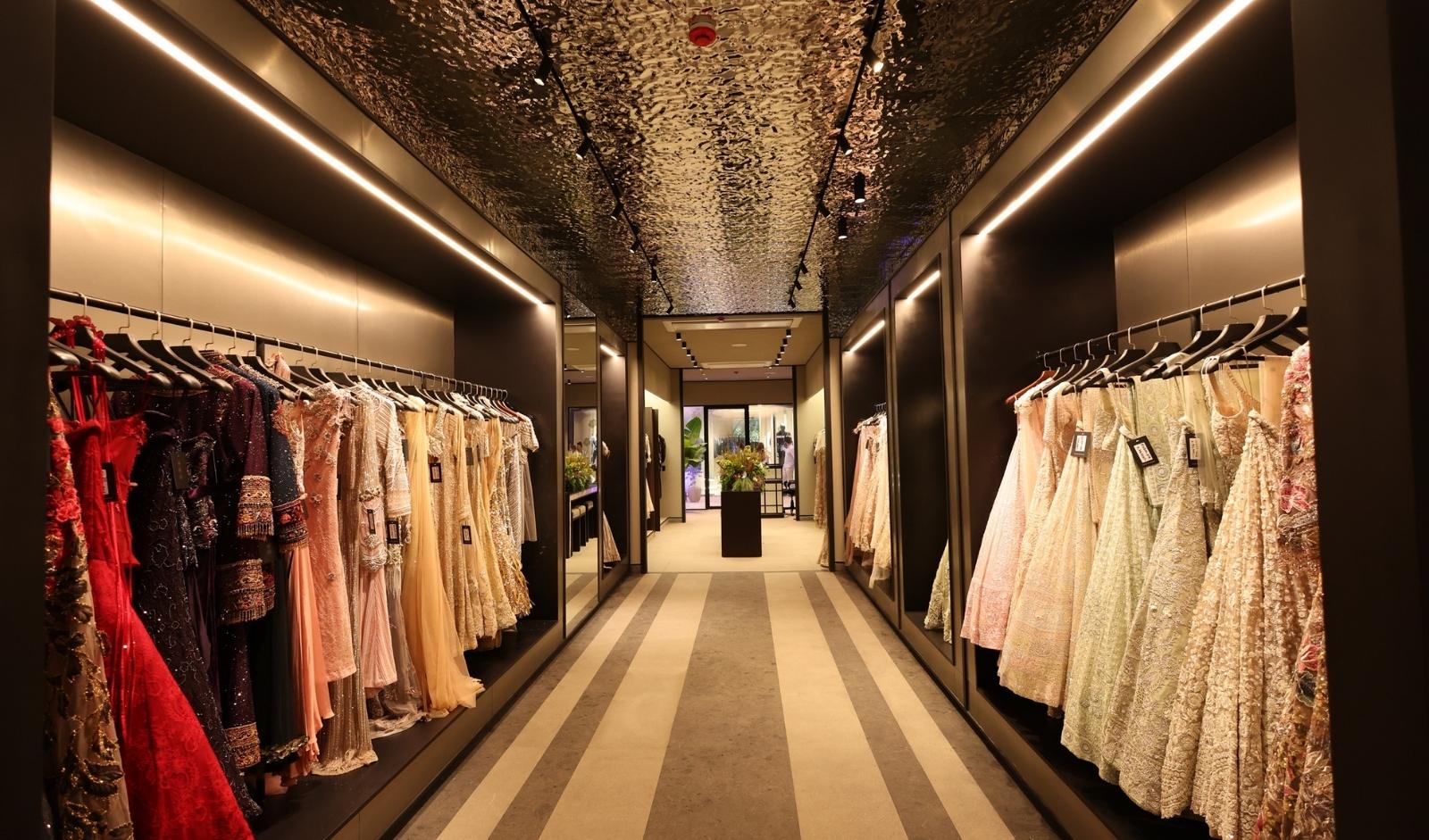
Nigeria’s fashion and apparel industry is an energetic mix of tradition, innovation, and global ambition. Leading brands combine indigenous fabrics, heritage prints (such as adire, Ankara, raffia) with contemporary silhouettes and international standards. With Lagos serving as a hub, Nigerian designers are increasingly visible on global stages and earning recognition for creative storytelling, craftsmanship and sustainable practices. Businessday NG +1 Many brands distinguish themselves through ethical sourcing, local manufacturing, and environmental responsibility—factors that resonate with both domestic and global consumers. Vogue Ready-to-wear, street-wear, premium resort-wear, gender-fluid lines—all these segments are thriving. The industry faces challenges: supply-chain issues (fabric sourcing, imports), pricing power, infrastructure realities, and competition from fast-fashion imports. Yet the advantages are strong local stories, cultural authenticity, growing domestic middle class, and digital commerce enabling wider reach. Brands that succeed do more than clothe—they tell narratives, offer quality, reflect identity, and craft value beyond mere garments. With increasing global appetite for African design, Nigerian labels have major growth potential, both at home and abroad.

Household appliance brands in Nigeria are central to modern living—supplying refrigerators, air conditioners, freezers, washing machines, cookers, microwaves, fans, and smaller kitchen gadgets. Because Nigeria experiences hot weather, unreliable power supply, and large urban populations, consumers value durability, energy efficiency, reliable after-sales service, and parts availability. Local conditions (voltage fluctuations, frequent power cuts, humidity) mean that brands with robust components, good warranty, and widespread service centers tend to outperform others in reputation and sales. Major international brands (Samsung, LG, Panasonic, Bosch, Whirlpool etc.) compete alongside more locally adapted or jointly owned brands such as Haier-Thermocool, Scanfrost, Bruhm etc. Local assemblers or licensed distributors that understand Nigerian environmental stresses often have an edge. Price sensitivity is high: many buyers look for value — i.e. features + lifespan rather than premium branding alone. On the other hand, rising incomes among urban middle classes push demand for higher-end, feature-rich, smart appliances. Also, e-commerce has boosted exposure and availability of brands, with online marketplaces and specialty appliance shops expanding. Challenges include import duties, foreign exchange risk, shipping delays, counterfeit goods, and after-sales service gaps. Brands that invest in local servicing infrastructure, spare parts, and warranties tend to build stronger consumer trust over time.
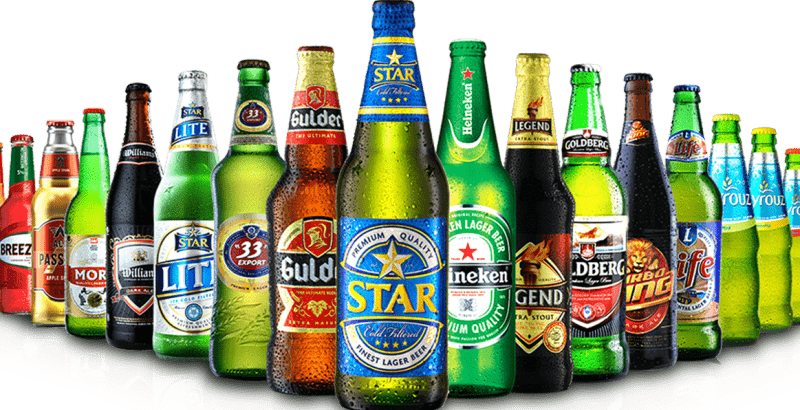
Breweries in Nigeria form a key arm of the country’s alcoholic beverage industry, producing beer, stout, malt drinks, and sometimes ready-to-drink (RTD) herbal or flavored beverages. Such companies typically invest heavily in infrastructure (fermentation vessels, bottling/canning lines, filtration, quality control labs) and distribution networks to manage logistics across Nigeria’s large and diverse geography. The sector is dominated by a few large corporations with strong brand portfolios and multiple breweries across regions. These players leverage economies of scale, vertical integration (e.g. sourcing grains, malting operations), and marketing strength to maintain competitive edges. Challenges for breweries include high energy costs (electricity, diesel), fluctuations in input costs (barley, hops, packaging), foreign exchange volatility (for imported raw materials), regulatory burdens (taxes, licensing), and competition from illicit or informal brewing. Still, demand remains strong, driven by urbanization, a youthful population, rising disposable income, evolving consumer preferences toward premium or flavored options, and cultural practices. In recent years, craft and microbrewery ventures have also started emerging in Nigeria’s major cities, experimenting with local ingredients and niche styles, though they typically remain small relative to the industry’s heavyweights. Overall, breweries are significant employers, tax contributors, and cultural influencers in Nigeria.

The bottled water sector in Nigeria is a critical component of the beverage market, driven by rising concerns over drinking water safety, urbanization, and increasing disposable incomes. Many consumers are wary of tap water, making purified, table, or spring water in bottles a regular purchase. Key players invest in purification processes (such as filtration, reverse osmosis, UV, ozonation), quality management certifications (ISO, NIS), and packaging hygiene. aquadana.com Brands like Nestlé Pure Life commit to multi-step purification cycles; others like Ragolis leverage natural spring sources. Accessibility is vital: strong distribution networks – supermarkets, corner shops, hawkers, online groceries – ensure reach. Larger bottles (1.5 L, 5 L) and smaller ones (330ml, 600ml) cater to different use cases (home, travel, office). Pricing is influenced by production cost, packaging materials, transport, and regulatory compliance. Challenges include ensuring consistent water quality (avoiding contamination), maintaining hygienic bottling, regulatory oversight, managing plastic waste, and coping with energy / power cost increases. Also, smaller producers sometimes struggle with certification and distribution. Consumer education on safe handling and storage remains important. Overall, the brands that succeed are those combining strong brand trust, verifiable quality, effective logistics, affordable pricing, and visible presence. As demand for safe drinking water continues rising due to health awareness, urban growth, and climate stress on water infrastructure, the bottled water market is likely to keep expanding.
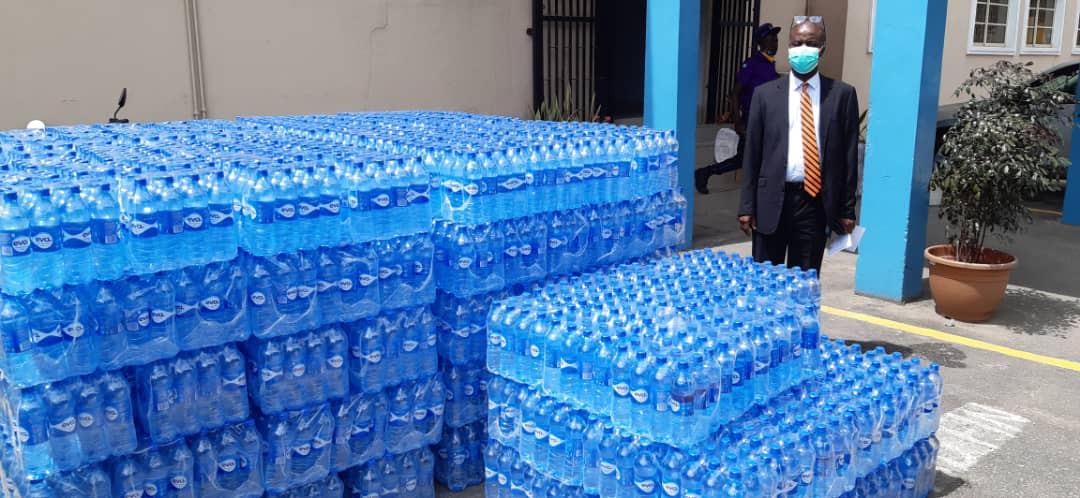
Packaged water companies in Nigeria play a crucial role in ensuring access to safe, clean, and portable drinking water for millions of citizens. With rising concerns about waterborne diseases and poor public water infrastructure, bottled and sachet water production has become one of the fastest-growing industries in Nigeria’s fast-moving consumer goods (FMCG) sector. These companies use advanced purification technologies such as reverse osmosis, ultraviolet (UV) sterilization, microfiltration, and ozonation to guarantee quality and safety. Major players like Nestlé Pure Life, Eva Water, Ragolis, CWAY, and Aquafina have set industry benchmarks with strict adherence to NAFDAC and Standards Organisation of Nigeria (SON) regulations. In addition to ensuring hygiene, these companies have built extensive distribution networks, supplying homes, offices, and retail outlets nationwide. The industry also promotes environmental sustainability through recycling initiatives and biodegradable packaging innovations. Despite challenges such as high production costs, power shortages, and competition from low-cost sachet water producers, Nigeria’s packaged water companies continue to expand rapidly, driven by urbanization, population growth, and increasing health consciousness among consumers.
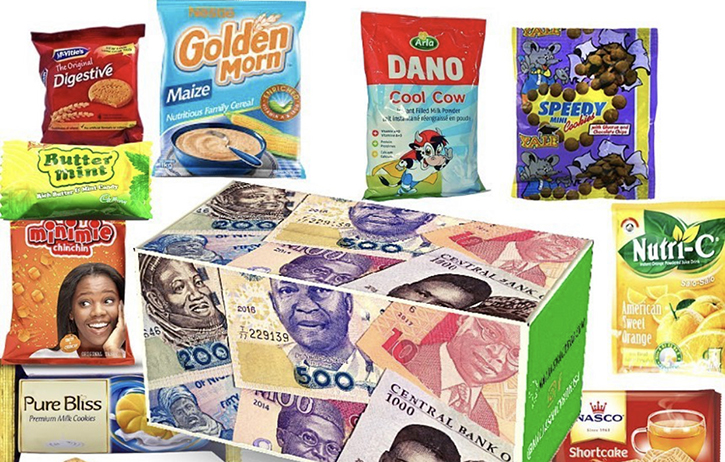
The packaged food industry in Nigeria is one of the most dynamic sectors in the FMCG space. It includes a wide range of goods: staples (flour, rice, sugar, pasta), dairy & dairy alternatives, beverages (juices, soft drinks), instant foods (noodles, soups, seasonings), snacks, baby foods, and packaged condiments. Key success factors include strong distribution networks across urban and rural areas, consistent quality, affordable pricing, and strong brand loyalty. Long-established companies like Nestlé have built deep trust and benefit from a broad portfolio, allowing them to spread risk and adapt to changing consumer preferences. Indigenous firms like BUA Foods are rising fast, responding to demand for local content, affordable staples, and scaling production capacity. Products that are fortified (like sugar or cereals) or offer convenience (instant noodles, ready meals) tend to perform especially well. Challenges for the sector include cost pressures (raw materials, packaging, import duties), inflation, power and logistics constraints, and competition from informal or unbranded goods. Also, consumers are increasingly sensitive to nutrition, safety, and environmental concerns (packaging waste etc.). The brands that succeed most are those that blend affordability, reliability, good packaging, strong supply chains, marketing that builds both trust and habitual purchase, and agile adaptation to consumer trends (healthier options, smaller pack sizes, etc.).

E-commerce in Nigeria has expanded rapidly in the past few years, driven by increased internet penetration, improved mobile phone usage, growth of fintech & payment solutions, and shifting consumer preferences toward convenience. Big marketplaces like Jumia and Konga lead in traffic and product variety, offering everything from electronics, home appliances, fashion, groceries, to books. Their strengths are extensive product catalogs, nationwide logistics, promotions and multiple payment options including cash-on-delivery, which lowers trust barriers. TechCabal +1 Classified & peer-to-peer platforms like Jiji have captured a significant share by allowing users to sell new or used goods, often with less overhead and faster local transactions. Specialized or digital-product platforms like Selar cater to creators, digital content, online courses etc. These platforms are gaining popularity among youth and SMEs. Rising players like Comilmart are pushing in with better seller terms, lower fees, and better service. comilmart.com +1 Challenges remain: trust & fraud are persistent issues; delivery infrastructure outside major urban centers can be slow or unreliable; pricing can get high once logistics and import duties are factored; payments can be difficult where people don’t have credit/debit cards. However, the trend is toward better regulation, improved payment methods (mobile money, bank transfers, fintech), more localized fulfillment centers, and increasing smartphone & broadband access. For businesses, choosing the right platform depends on product type (physical vs digital), target region, cost of logistics, and how much support the platform gives (marketing, customer service, trust mechanisms).

Book publishing in Nigeria is an evolving and increasingly dynamic sector. From early roots tied to colonial textbooks and imported religious literature, the industry has grown to include strong indigenous publishers producing local fiction, children’s literature, academic books, memoirs, and general interest titles. Major publishing houses like Spectrum Books, University Press plc, and Evans Brothers have long been leaders in educational and school textbook markets, often working closely with curriculum authorities. Meanwhile, more recent entrants like Masobe Books, Narrative Landscape Press, and Black Tower Publishers are helping to fill gaps in fiction, local storytelling, polished independent publishing services, and better support for new writers. Distribution remains a challenge: getting books into physical bookstores, beyond major urban centers, and reaching international readers require strong logistics and partnerships. Pricing, production costs (paper, printing, shipping), and sometimes weak book culture (readership levels, purchasing power) continue to be constraints. But there are positive trends: better cover and layout design, more attention to marketing and visibility (social media, book fairs), growth of e-book / digital platforms, and more author services (editing, proofreading). Key considerations for authors include choosing publishers with good editorial standards, transparent royalty / rights agreements, proper distribution channels, and appropriate marketing support. Publishers that combine quality, reach, and friendliness to emerging talent are increasingly seen as the most valuable in this ecosystem

Printing press businesses in Nigeria serve as a backbone for publishing, advertising, branding, packaging, events, and education. From small-run digital prints for flyers or business cards to large offset jobs for books, magazines, packaging, and large format signage, the range is wide. In the last decade, the demand for higher quality, faster turnaround, and diversified services (like custom packaging, foil/embossing, light security printing) has increased significantly. Many presses combine traditional offset technology with digital printing capacity, to manage both bulk and smaller order volumes. They invest in finishing services (binding, trimming, laminating, embossing, foiling) to add value. Also, online printing platforms are becoming more common—allowing smaller businesses, event organizers, and individuals to order prints with design templates and get delivered to their location. Challenges include consistent quality of materials (paper, ink), maintenance of machinery, power supply, logistics, and meeting delivery timelines. Some presses are specializing—book printing, packaging, security printing, or light packaging—to carve out competitive advantage. Reputation, certifications, equipment, portfolio and reliability are major selection criteria. As e-commerce growth continues and businesses increasingly need branded packaging and marketing materials, the printing industry remains essential. The best printing businesses are those that combine technical capacity, creative service, sturdy finishing, and customer service.
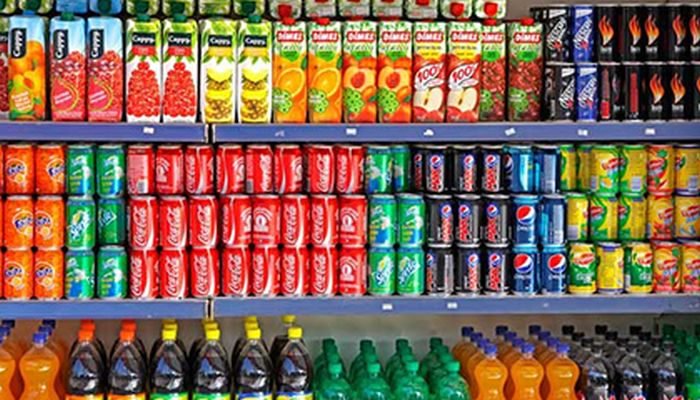
Nigeria’s beverage sector is among the most dynamic in Africa, spanning alcoholic and non-alcoholic segments such as soft drinks, bottled water, fruit juices, malt drinks, beer, wine, and functional/herbal drinks. Fueled by a rapidly growing population (over 200 million), increasing urbanization, rising disposable income (especially among middle class youth), and shifting consumer preferences toward convenience, health, and premiumization, the market has been expanding strongly. tracedataresearch.com +3 agustoresearch.com +3 Punch +3 In 2024-2025, the beverage industry in Nigeria (breweries and distilleries) had a combined market capitalization of about ₦2.06 trillion, with top players like Nigerian Breweries Plc and International Breweries Plc making large contributions. Brand Spur +1 The broader food & beverage (F&B) sector also remains huge (≈ ₦21.6 trillion in recent valuation), in which beverages represent a particularly fast growing share. agustoresearch.com +1 Non-alcoholic beverages are seeing shifts: growing demand for bottled water (led by concerns about safe potable water), juices, energy drinks, low-sugar or “healthier” options, and local/traditional beverages adapted for modern packaging and tastes. 6Wresearch +2 Punch +2 On the alcoholic side, beer and malt drinks continue to dominate, though rising costs (raw materials, foreign exchange), regulatory pressures (taxes, import duties, regulation of packaging and alcohol use), and infrastructure challenges (power supply, logistics) remain serious hurdles. agustoresearch.com +2 tracedataresearch.com +2 Opportunities are many: expanding the reach into under-served regions; developing premium and craft brands; improving packaging innovation; leveraging local sourcing of raw materials to reduce costs; digital and cold-chain distribution; and tapping health, wellness and natural/organic beverage trends. However, companies must navigate inflation, currency instability, regulatory change, climate impacts (on water supply, agriculture), and rising input costs. Overall, the Nigerian beverage sector is large, growing, competitive, and evolving rapidly.
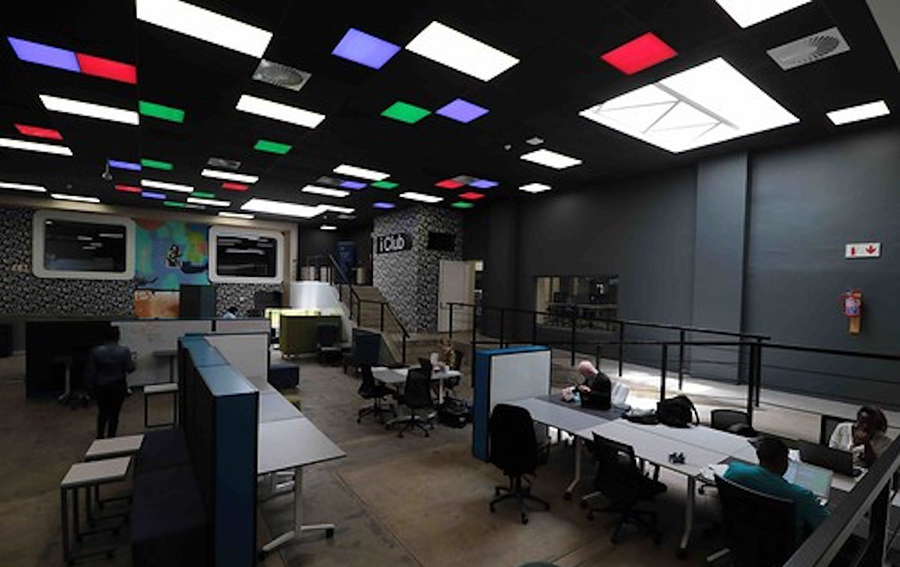
Co-working spaces and business hubs in Nigeria have been growing rapidly over recent years, driven by rising entrepreneurship, remote work trends, and the need for flexible, lower-cost alternatives to traditional office leases. As of mid-2025, there are over 500 to 569 coworking spaces across Nigeria, with Lagos holding over 50% of them. Rentech Digital +1 These hubs offer various levels of service: hot-desks, dedicated desks, private offices, virtual offices, meeting rooms, event spaces, mentorship and community events. Quality of infrastructure (power backup, high-speed internet, air-conditioning) is increasingly a deciding factor for users. Amenities like café services, networking events, workshops and tech support also differentiate the better hubs. Locations near commercial centers, transport nodes and lifestyle areas (e.g. Lekki, Ikoyi, Ikeja, Victoria Island in Lagos; Maitama, Wuse in Abuja) tend to command premium rates but also deliver higher convenience. Challenges remain: inconsistent power supply, internet stability, high cost of real estate in prime locations, and sometimes hidden or unpredictable fees. Still, many users—freelancers, startup teams, digital nomads, small businesses—find them invaluable for cost savings, access to professional environment (especially when meeting clients), and community & collaboration that can spur ideas and growth. As Nigeria’s economy and business culture continue shifting toward flexibility, these hubs are becoming central to how modern businesses operate.
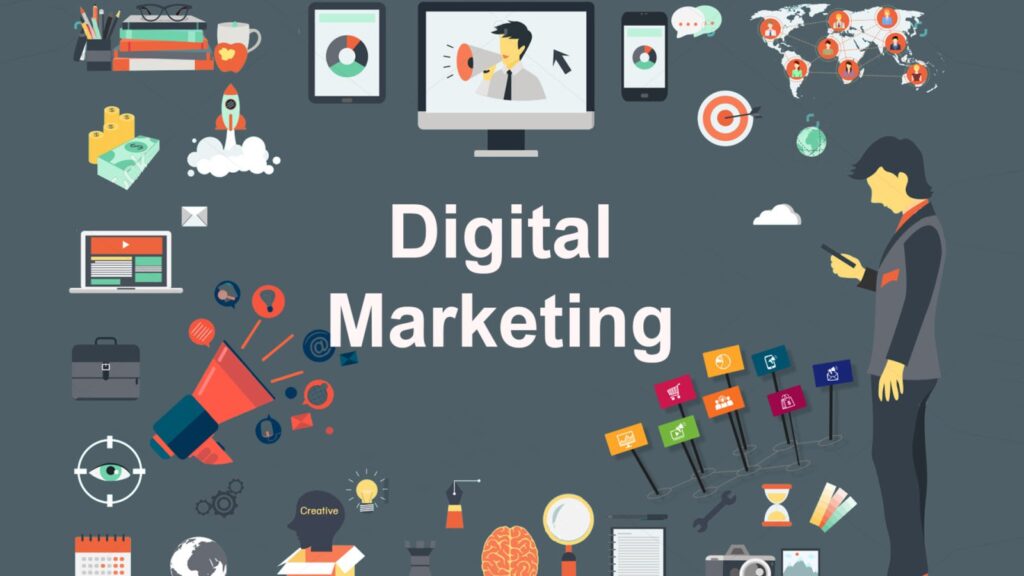
Digital marketing agencies in Nigeria have seen rapid growth, transforming from small boutique firms doing social media posts to full-service operations offering strategy, tech, creative content, analytics, and performance marketing. The market is diverse: some agencies focus on large corporates/FMCGs, others serve SMEs and startups. Services typically include SEO/SEM, social media management & ads, content creation, branding, creative production, web & app dev, influencer marketing, sometimes data analytics & customer-insights. One key strength is adaptability: agencies tailor campaigns to local culture and contexts, navigating challenges such as inconsistent infrastructure, varied internet access, language diversity, and payment / regulatory issues. Also, many now integrate mobile-first strategies, since mobile penetration is high. The emphasis is shifting more toward ROI, measurable metrics (conversions, leads, sales), not just reach or likes. Challenges: competition is high and crowded; keeping up with latest tools (ad tech, analytics, AI) is essential; pricing pressures; proof of results is increasingly demanded by clients. Agencies that combine creative storytelling, technical ability (for example good UX or app dev), local cultural insight, and strong measurement/reporting tend to lead.

Plastic manufacturing is a critical sector in Nigeria’s industrial economy, producing everything from packaging (bottles, jars, films), household goods (chairs, bins, basins), building materials (pipes, conduits), to industrial and agricultural components. Given Nigeria’s large domestic market and growing demand for consumer goods, plastic manufacturers that can deliver quality, consistency, and scale have significant opportunity. However, the sector faces challenges: import competition (raw resin and finished goods), high energy costs (electricity, fuel), foreign exchange volatility, environmental concerns (waste, single-use plastics), and regulatory compliance (standards, recycling policies). Those who succeed usually have strong distribution networks, product diversification, good quality control, sometimes backward integration through recycled plastics or partnerships with resin suppliers, and a capacity for innovation (e.g. better packaging, eco-friendly processes, durable moulding). Increasingly, plastic policies (bans on certain single-use items, regulation on packaging waste management) are pushing manufacturers to adopt sustainable practices. With global supply chain disruptions, local plastic production is also more attractive, which means well-positioned firms are gaining market share.

Event management in Nigeria has grown significantly over the past decade, evolving from largely informal, single service providers (decor, catering) to fully integrated, multi-disciplinary firms offering end-to-end solutions. The industry now spans large festivals, concerts, corporate conferences, weddings, experiential marketing, brand activations, talent & content production, and hybrid/virtual formats. Lagos remains the epicenter, with the highest concentration of agencies, venues, and clients (corporate, private, entertainment). Beyond Lagos, cities like Abuja, Port Harcourt, Ibadan are also growing. Clients increasingly demand professionalism: quality audio-visual production, staging, lighting, sound, seating, guest experience, safety compliance, and digital engagement. Innovation, especially through event tech (ticketing platforms, virtual attendance, event apps), is becoming a differentiator. Challenges remain: infrastructure (power, traffic, venue limitations), cost of imports (sound, lighting, staging gear), unpredictable logistics, regulatory / permitting issues, and inconsistent standards among smaller operators. However, reputation & social proof matter: companies that deliver with consistency build trust and secure big clients. The best firms are those combining creative vision, strong vendor networks, technical capacity, reliability, and digital visibility. As Nigeria’s economy and middle/upper consumer markets grow, so too does expectation for world-class event experiences.

Catering companies in Nigeria are in high demand due to frequent events—weddings, corporate events, conferences, celebrations, religious gatherings, etc. The “best” caterers tend to share a number of qualities: Menu flexibility & quality: Ability to offer both local Nigerian dishes and continental/international cuisine; quality ingredients; taste consistency. Presentation & service: Not just food taste, but presentation, timing (serving at correct temperature, arrangement), decor/serving staff. High expectations especially from corporate / high-end events. Capacity & logistics: They can deliver for large events (hundreds to thousands of people), including transport, staffing, food safety, time management, handling power and venue constraints. For corporate gigs, punctuality & reliability are crucial. Pricing & transparency: Clear costings, good value, ability to manage bulk scale without compromising quality. Food safety & hygiene: Proper handling, licensing, regulatory compliance—these matter especially in a country with varied infrastructure. Digital / online presence: Being reachable, showing menus online, good reviews, social media etc helps discoverability & trust. Challenges include: unreliable power & infrastructure (which affects cooking, cold storage, transport); high cost of imported ingredients; logistical challenges in transport / traffic; quality control in large volumes; competition; sometimes cash flow difficulties. The best caterers mitigate these with good planning, strong supplier relationships, backup plans, and strong client references.

Nigeria’s textile & fashion manufacturing sector has historically been one of its large employers and cultural cores. It includes the cultivation and processing of cotton, spinning, weaving, dyeing & printing, fabric finishing, and garment making. In recent decades, textile mills have suffered due to competition from imported fabrics, high cost of production (especially energy, foreign exchange, equipment maintenance), and inconsistent government policy. However, there’s renewed interest with policy interventions (e.g. import restrictions, textile subsidy/facility support), resurgence in local print fabrics (Ankara, Wax prints), and rising consumer demand for locally made fashion. Key success factors are vertical integration (cotton sourcing, spinning, dyeing, printing in-house), modern machinery, supply capacity, quality control (certifications, consistency in print/fabric), proximity to markets, and brand identity. Also, export potential (to other African countries, diaspora customers) is increasingly important. Fabric manufacturers that also supply fashion brands (local and international) tend to be more resilient. Innovations with sustainable fabrics, localized designs, digital printing, and faster turn-arounds are emerging as competitive advantages.
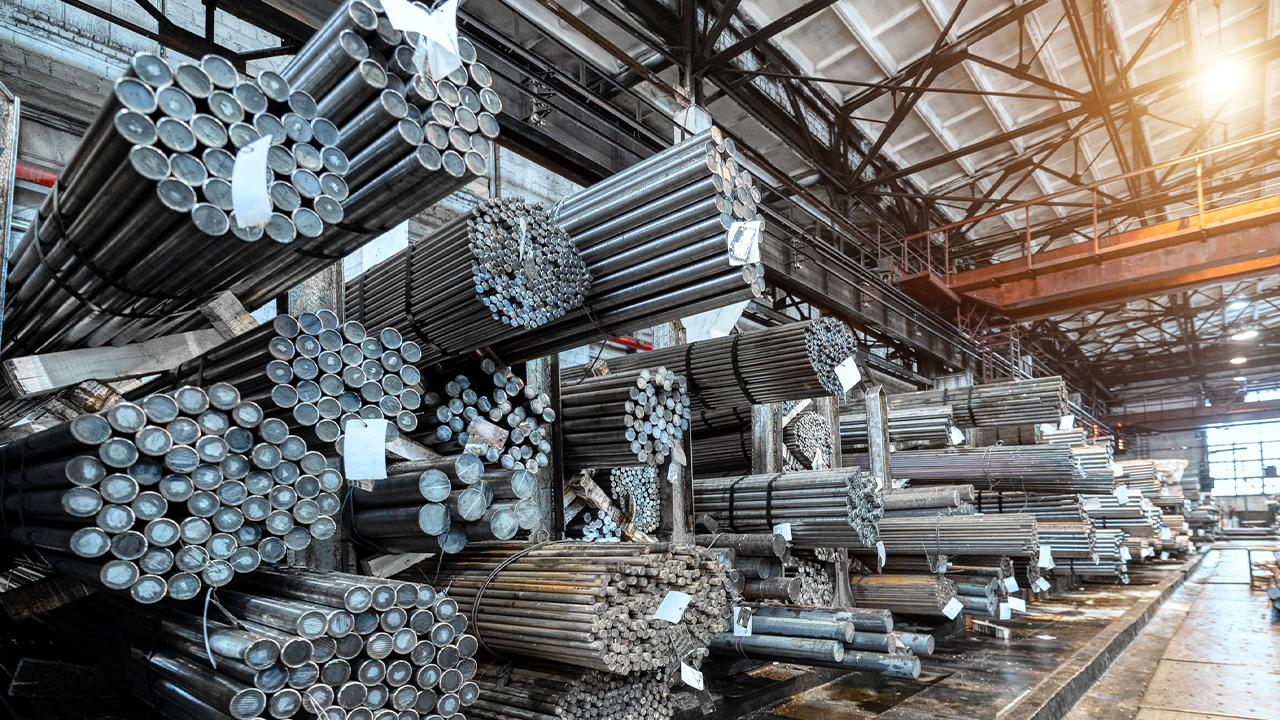
Steel and iron companies are central to Nigeria’s industrialization and infrastructural growth. They produce a range of essential materials – from rebars, rods, billets, sheets, pipes, structural steel (angles, beams), wire and nails – used in construction, manufacturing, power, automotive, oil & gas, and other sectors. Nigeria has abundant deposits of iron ore, but many companies rely on imported raw materials / scrap, or semi-finished inputs, due to issues around beneficiation, energy costs, logistics, and the state of infrastructure. To succeed, a steel/iron company must overcome challenges like high cost of power, foreign exchange volatility, transportation bottlenecks, and regulatory compliance (standards, certifications). Firms that have modern rolling mills, fabrication plants, multiple product lines, good quality control, local raw material sourcing or beneficiation, strong distribution networks, and sometimes vertical integration tend to lead. The industry also contributes to foreign exchange savings (by reducing imports) and job creation. In recent years there has been push from government and private sectors to revive large idled mills (e.g., Ajaokuta), promote local value-addition, and strengthen local content policies in steel inputs.
Cement manufacturing is a cornerstone of Nigeria’s industrial sector, underpinning construction, infrastructure, housing, and real estate growth. Cement producers convert raw materials—like limestone, gypsum, clay—into cement through processes involving quarrying, crushing, kiln operations, grinding, and packaging. Key success drivers in Nigeria include access to quality raw materials (especially limestone), dependability of energy (power and fuel), transportation and logistics (for both raw materials inbound and finished product distribution), regulatory approvals, environmental compliance, and proximity to demand centers (urban sprawl, infrastructure projects). Because Nigeria is large and geographically diverse, having multiple plants helps reduce freight costs and improve supply chain resilience. Also, competition has been intense—companies battle for market share through pricing, product quality, brand recognition, and innovation (e.g. different cement grades, faster setting times). Government policies (tariffs, import bans, incentives for local production) and currency/exchange rate stability also heavily influence profitability. The top producers tend to be vertically integrated, have large installed capacities, multiple plants across different zones, and strong distribution networks that reach remote areas.
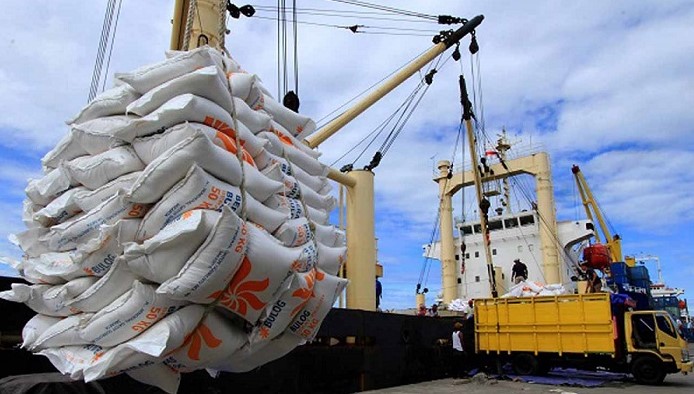
The manufacturing sector in Nigeria is a cornerstone of the economy, transforming raw materials into finished goods—from cement and steel to foods, beverages, chemicals, and consumer goods. It plays a critical role in job creation, import substitution, and value addition, thereby reducing dependency on imports. Key factors shaping success in this sector include scale of operations, access to raw materials (local or imported), investment in infrastructure (power, logistics), regulatory environment, access to finance, and market distribution networks. Companies that manage to integrate backward (e.g. own raw material sources or refining capability), maintain strong quality control (compliance with ISO, HACCP etc.), and adapt to consumer demands tend to dominate. In Nigeria, large industrial conglomerates and multinationals have an advantage but local firms, when well managed, also shine—especially in food, beverages, personal care, cement, and packaging. Nevertheless, many smaller manufacturers struggle with inconsistent power supply, high cost of inputs, foreign exchange volatility, and transportation/logistics bottlenecks. In recent years, government policy (tariffs, taxes, incentives) and market trends (urbanization, changing consumer preferences) have further reshaped which manufacturing companies succeed or fail.

In Nigeria, food processing companies transform raw agricultural goods (cassava, grains, milk, oil palm, etc.) into consumable products—snacks, dairy, noodles, seasonings, canned foods, juices, edible oils, etc. They play a pivotal role in value-addition, import substitution, job creation, and food security. Key differentiators include scale of operations, backward integration (sourcing raw materials locally), quality control (certifications like ISO, HACCP), distribution network, innovation in products, and response to consumer trends. Because of Nigeria’s large and growing population, rising income, urbanization, and shifting diets, leading food processors must meet high demand, maintain consistent supply chains, manage cost pressures (energy, logistics), and export where possible. Government policies (tariffs, import bans, incentives), infrastructure, and foreign exchange also affect which companies succeed. This ranking is derived from the latest financial reports, company disclosures, market share data, product breadth, and recent growth (2023-2025). It aims to reflect which companies are currently the most influential and reliable in food processing across Nigeria.

Nigeria plays a leading global role in shea butter production and export. The shea tree (Vitellaria paradoxa) grows naturally across the savannah belt in about 21 of Nigeria’s 36 states. While many rural women and cooperatives gather nuts and produce small-scale butter, the industry is increasingly becoming industrialized. Exporters process raw nuts, refine or grade shea butter, ensure quality (e.g. cold-pressing or clean processing), package export-ready products (with documentation: certificate of origin, phytosanitary certificates, often third-party inspection or SGS etc.), and ship to buyers in Europe, Asia, Americas, and elsewhere. The government has recently boosted value-addition, for instance by opening large processing/refinery plants, and placing bans or regulations to encourage export of processed shea products rather than raw nuts. Ethical sourcing, fair trade practices, community empowerment (especially for women aggregators), sustainable harvesting, and maintaining high quality (low free fatty acid, low contaminants) are now major differentiators. International buyers look for reliable supply, standardized grading, consistency, and exporters who comply with export-regulation (NEPC, CAC, etc.).

In Nigeria, seed companies serve as critical enablers of agricultural productivity and food security. These firms engage in breeding, producing, certifying, and distributing improved varieties of cereals, legumes, tubers, vegetables, and more—tailored to Nigeria’s diverse agroecologies. The industry is regulated by the National Agricultural Seeds Council (NASC), which licenses, inspects, and certifies seed producers; only certified seeds are legally sold as “quality seed” in the country. seedcouncil.gov.ng +2 seedcouncil.gov.ng +2 Many private seed firms partner with research institutes (e.g., IITA, national research bodies) to develop climate-resilient, disease-tolerant varieties. Access to seeds +2 agroinsight.com +2 Because Nigeria has over 150 registered seed companies, most are small, regional, or specialized; only a few have national reach or strong brand recognition. Access to seeds +1 Quality, consistency, regulatory compliance, and distribution capacity distinguish the top players from the many small operators. This Top-10 ranking is based on the latest NASC “seed producers” listings, industry reports, product visibility, and stakeholder reputation in Nigeria. It reflects a snapshot of current influence, reliability, and scale in Nigeria’s seed sector.

Transport companies in Nigeria form the lifeline of the nation’s mobility and logistics ecosystem. With millions relying on intercity buses daily, these companies play a critical role in connecting people, goods, and businesses across Nigeria and beyond. The best operators—like GIGM, ABC, and Chisco—have transformed the industry by integrating technology for digital bookings, cashless payments, GPS tracking, and customer feedback systems. Their fleets of modern, air-conditioned vehicles have elevated passenger safety and comfort standards. Many now offer courier and logistics services, merging passenger and cargo transport under one umbrella. With Nigeria’s growing economy and urbanization, efficient transport systems have become essential for trade, tourism, and connectivity. Increasing competition has also driven companies to improve customer experience, reliability, and affordability, ensuring Nigeria remains at the forefront of road transport innovation in West Africa.

Car dealerships in Nigeria play a vital role in connecting consumers and businesses to global automotive brands. They serve as the backbone of the country’s mobility industry, offering a range of services that include vehicle sales, financing, leasing, parts supply, and after-sales maintenance. Over the years, the sector has expanded beyond luxury vehicles to include affordable sedans, SUVs, and trucks suited for Nigerian roads. The best dealerships—such as Coscharis, Globe Motors, and Elizade—adhere to international standards of transparency, ensuring customers receive genuine products backed by warranties and service support. The rise of certified pre-owned car programs has also boosted consumer confidence. Technology adoption, online showrooms, and flexible financing are reshaping how Nigerians buy cars today. As infrastructure improves and the middle class expands, these dealerships continue to drive growth and mobility across the nation.
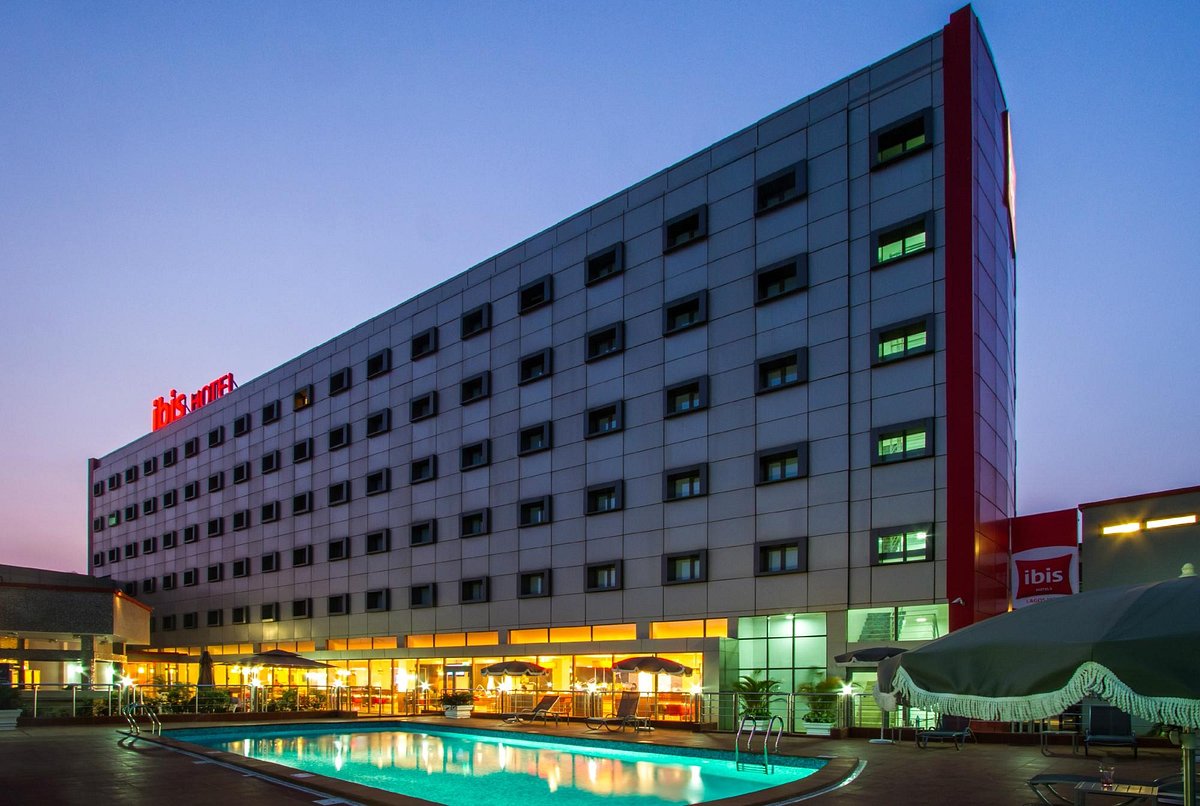
Business hotels in Nigeria serve a critical role in facilitating corporate activity, government functions, conferences, international meetings, and the work needs of traveling professionals. The best ones offer more than just a bed: they provide robust meeting and conferencing facilities, fast and reliable internet, proximity to business districts and transport hubs, good food and dining, often options for executive lounges, and other amenities such as gyms, wellness, business centers. Many of the top business hotels are clustered in Abuja (e.g. Transcorp Hilton, Sheraton Abuja, Protea Asokoro) and Lagos (Lagos Continental, Eko Hotels, Sheraton Lagos, Park Inn) because these are centers of finance, governance, commerce, and regional/international business travel. Awards and industry reviews (e.g. Hotel Managers Awards) serve as useful signals: Lagos Continental, for example, won “Best Luxury Business Hotel in Nigeria 2023”. Key features that distinguish business hotels include: well-equipped meeting rooms, business services (printing, fax, copying, secretarial support), reliable power & backup, accessibility (near airports, major roads), security, modern and comfortable rooms, and dining options that match international standards. Cost is often higher, but business travelers are willing to pay for reliability, prestige, and service. Challenges include maintaining consistent service standards, high operating costs (power, staffing), competition, and balancing luxury versus functional utility.

The private security business in Nigeria plays a critical role due to rising concerns over theft, vandalism, kidnapping, and weak or stretched state security infrastructure. Offices, residences, warehouses, oil & gas installations, VIPs, retail outlets, and often institutional properties rely heavily on security firms. Companies that perform best are those with: Diverse service offerings: Not just static guards, but VIP protection, event security, surveillance tech, access control, cyber security, background checks, and quick response units. Strong training and standards: Guards who are well trained, properly uniformed, with adherence to safety, legal compliance, and professionalism. Top firms often invest in their own training academies. Reliability and reputation: Being known to deliver, having good client references (banks, telecoms, oil companies, estates), low incident rates, responsive service. Use of technology: Surveillance cameras, alarm systems, electronic monitoring, GPS tracking, incident reporting, sometimes drone or remote monitoring in high risk areas. Geographical reach: Ability to serve clients in multiple states; presence in Lagos, Abuja, Port Harcourt etc.; ability to respond fast. Challenges include regulation (licensing, oversight), cost pressures (fuel, wages, equipment), risk exposure for guards, liability, maintaining quality across many sites, and competition, including from less formal operators or firms that cut corners. Also, in some states, legal restrictions or local politics affect operations. Overall, the private security sector in Nigeria continues to grow, driven by demand. Companies that combine scale, professionalism, strong client relationships, and technology are rising fastest.

Courier and bike-hailing / dispatch rider services are critical in Nigeria for getting goods, parcels, documents, and small items delivered quickly in cities with heavy traffic and often poor road logistics. Over recent years, demand has risen sharply due to growth of e-commerce, food delivery, and mobile ordering (groceries/medicines etc.). The best companies are those that can balance speed, cost, reliability, tracking, and reach. Important traits for top performers include: Fast delivery and short lead times: Same-day delivery, often within hours, especially in large cities like Lagos. Good mobile/app tech and tracking: Riders need to be trackable; customers want proof-of-delivery, real-time updates. Wide and reliable rider network: Enough bikes/motorcycles or small vehicles to cover hard-to-reach or highly trafficked areas, even under bad traffic. Transparent pricing, service options: Bike vs van, urgent vs standard, insurance or package protection. Regulatory adaptability: Because of things like motorcycle bans (e.g. in parts of Lagos), some bike-hailing companies have had to pivot to delivery / logistics. Challenges facing the sector: Regulatory restrictions (motorcycle usage bans, safety rules) in some states. Cost of input (fuel, maintenance, pay for riders). Traffic and infrastructure difficulties. Ensuring safe, reliable service in areas with poorer road networks. Trust issues: parcel safety, missing/damaged items, rider training. Overall, the market is highly competitive but growing. There’s opportunity especially for platforms that can combine speed + reliability + good customer experience + tech (tracking, payments).
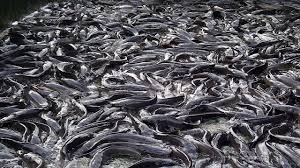
Fish farming (aquaculture) is becoming more important in Nigeria because of high demand for affordable protein (catfish, tilapia etc.), declining wild fish stocks, and rising awareness of nutrition. The best fish farms combine efficient production systems (good hatcheries, healthy fingerlings, water quality control), high-performance feed, disease management, and reliable supply chain (cold storage, processing, transport). They often engage with smallholder farmers to expand reach and improve livelihoods. Furthermore, successful farms have diversified species (not just catfish; tilapia, native species also), scale (ponds + cages + nurseries), value-added capabilities (processing, packaging, frozen fish), and strong market linkages (urban markets, supermarkets). Innovation (e.g. feed formulation, hybrid systems, recirculating aquaculture systems) also gives competitive advantages. Farms that provide training/support, inputs, feed, hatchery services help build the whole ecosystem. Key challenges include: cost of feed (often imported or partly imported), power & energy costs for pumps, water quality, access to fingerlings, disease outbreaks, land / pond construction costs, regulatory/licensing requirements, access to cold chain for preserving fish, and logistics. Also, initial capital investment is high for modern farms. Despite that, there is clear growth potential: fish farming can help reduce reliance on imported frozen fish, improve food security, generate employment, and offer export opportunities. Companies in the list above are doing well by combining capacity, quality, and sustainable practices.

Fertilizer companies in Nigeria are central to driving agricultural productivity, soil restoration, and food security. Historically dependent on imports, Nigeria’s fertilizer landscape has been transformed by massive investments from private and public sectors. The establishment of mega-plants like Dangote Fertiliser and Indorama Eleme shifted the country from a net importer to a significant exporter of urea. Notore Plc remains a key indigenous operator combining production with farmer training and distribution, while Golden Fertilizer and BUA Group have strengthened supply chains through partnerships and blending plants. EarthCare Nigeria is leading the organic fertilizer revolution, aligning with global sustainability goals. Bejafta, Matrix, and APT Agric serve niche regional markets through modern blending and precision solutions. Major challenges include high natural-gas costs, logistics, counterfeit products, and inadequate infrastructure in rural markets. Nonetheless, consistent government backing—via the Presidential Fertilizer Initiative (PFI)—and private sector investments continue to stabilize supply and pricing. The future of Nigeria’s fertilizer industry rests on integrating digital agriculture, sustainability, and export competitiveness while empowering smallholder farmers nationwide.

Agri-Tech (agricultural technology) companies are transforming Nigeria’s agriculture by addressing major pain-points such as low productivity, post-harvest loss, lack of mechanization, financial exclusion, poor input quality, and weak market linkages. Many smallholder farmers don’t have access to good seeds, fertilizer, financing, or cold storage—they also often rely on middlemen, which reduces their profits. Agri-Tech startups are stepping in with digital platforms to provide input financing, precision advisory, insurance, and offtake deals. Mechanization platforms like Hello Tractor allow farmers to rent tractor services, rather than owning expensive machinery outright. Cold storage firms like ColdHubs reduce spoilage of perishable produce by offering solar powered walk-in cold rooms near farm clusters and markets, helping preserve value. Financial inclusion players such as Thrive Agric, AgroMall, and Crop2Cash enable access to credit, crowd funding, or digital payments; others like AFEX create links to better commodity markets through storage & warehouse receipt systems. These companies often integrate data (weather, yield prediction), extension/advisory services, quality inputs, and market access. They also help with rural employment and food security. Yet they face challenges: infrastructure (roads, power), regulatory complexity, funding gaps, trust with farmers, and scaling beyond pilot areas. Nevertheless, the ones listed above are standout for their scale, impact, transparency, innovation, and ability to deliver value to farmers and the food system in Nigeria.

The best poultry farming businesses in Nigeria tend to share certain characteristics: Vertical integration or partial integration: Farms that control more of the value chain (hatcheries, feed, breeder stock, processing, cold chain) tend to be more reliable, stable, and resilient. For instance, Amo Farm’s hatchery business helps many farms have dependable chicks. Good biosecurity, quality, and hygienic processing: To serve urban and middle income consumers, having safety, consistency and standards is important. Farms like MeatikaFarms, Dandani, Prime Farms emphasize freshness, safety, cold storage, etc. Capacity & scaling: Larger farms with capacity for layers + broilers + day-old chicks + egg production + sometimes meat processing tend to be more impactful. Zartech is an example in terms of long history and scale. Diversification & support services: Some farms provide training, veterinary services, pen house design, feed supply. This helps stabilize industry growth. Danyaye Farms is noted for offering pen house construction and training. Challenges for the sector include: cost of feed (which is often imported or dependent on imported components, especially maize), disease risks, power supply, inconsistent supply of day-old chicks in some regions, cold chain and processing infrastructure, regulatory burdens, and fluctuations in demand or pricing. Despite these challenges, poultry remains one of the most promising agribusiness sectors in Nigeria in terms of protein supply, employment, and opportunities for value-addition. Firms that manage input costs, maintain hygiene / disease control, serve urban markets well, and establish strong supply chains tend to perform best.
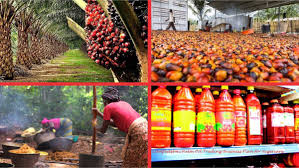
Palm oil is one of Nigeria’s strategic agricultural commodities due to its use in cooking oils, industrial fats, soaps, cosmetics, oleochemicals, and animal feed. In recent years, demand has increased both domestically and for export, while costs pressures (imported substitutes, international price changes) and government policies (tariffs, land allocation, sustainability demands) have pushed for more local production and processing. The best palm oil processors in Nigeria share a number of strengths: Large plantations / estates: Companies like Okomu and Presco have tens of thousands of hectares under cultivation, which gives them better raw material supply and economies of scale. Integrated operations: Processing fresh fruit bunches (FFB) into crude palm oil, and then refining, kernel crushing, kernel oil, kernel cake, etc. Vertical integration helps margin and stability. Modern mill & refining capacity: High throughput mills, refining operations, and good machinery help reduce losses and increase quality. Regulatory compliance & sustainability: Certification, good agricultural practices, environmental management, and social responsibility are increasingly important—especially for export markets or premium domestic brands. Strong financial performance & transparency: Publicly listed companies like Okomu and Presco have good financial track records, which also attracts investment. Recent reports show strong profit increases in palm oil sector on the back of higher demand and stable output. thejunction.ng +1 Challenges facing the industry include: securing enough high-yield seedlings and quality planting materials; ensuring consistent labor and plantation maintenance; infrastructure / roads for mill access; power costs; access to credit; stabilizing prices amidst fluctuating global oil markets; environmental issues like deforestation and sustainability pressure; and competition from imported edible oils or crude substitutes. Overall, the sector is strong and growing. Companies that manage risk, maintain quality, and invest in plantation, processing, and sustainability are likely to perform best.

Cassava is one of Nigeria’s most important staple crops, and there is increasing interest in processing it beyond basic garri/fufu/food uses – into starch, high-quality flour, animal feed, industrial starch (for use in paper, pharmaceuticals, adhesives, packaging etc.), and even bio-ethanol. However, despite being the world’s largest cassava producer, Nigeria processes only a small fraction of its output downstream. Businessday NG +1 The best cassava processing firms stand out by combining several strengths: Scale & capacity: Companies like PCPL and Ebedebiri are able to process large volumes (thousands of tons per year or daily capacities in the hundreds of tons), which helps with economies of scale. premiumcassava.com +2 ebedebiristarch.ng +2 Quality & product diversity: Many firms produce not just starch, but also high-quality cassava flour, chips, garri, and sometimes modified starch. This opens up multiple markets. premiumcassava.com +2 shashamura.com.ng +2 Supply chain integration & outgrower schemes: To secure raw material, the leading companies work closely with farmers, buy tubers, support farming, sometimes provide inputs. This ensures steadier supply and improves farmer income. premiumcassava.com +2 matnafoods.com.ng +2 Technology & processing standards: Use of modern mills, cleanliness, meeting regulatory/food safety standards, capacity to produce food-grade starch. Matna Foods for example has a consistent product quality. matnafoods.com.ng +2 matnafoods.com.ng +2 Challenges: inconsistent supply of quality cassava tubers (due to seasonality, transport, spoilage), power and logistics costs, competition from imported starches (or corn starch), sometimes lack of downstream infrastructure, and limited access to finance for expansion. Also, many processors are concentrated in certain states, so supply logistics can be difficult for others. Given Nigeria’s huge cassava production potential, there is still much room for more processing, especially in states under-served. The listed companies are among those pulling significant weight and showing what can be done with good scale, quality, and value addition.

Over the last decade, Nigeria has embarked on numerous large engineering and power sector projects to solve chronic electricity shortages, aging infrastructure, and rising demand. These span generation (hydro, thermal, solar, nuclear), transmission (high-voltage lines, sub-stations, SCADA/DMS control systems), distribution upgrades, and gas infrastructure (pipelines, gas supply to power plants, gas processing). Projects like Mambilla Hydroelectric Power Station and Geregu Nuclear Power Plant represent major additions to generation capacity, both renewable and non-renewable, aiming for scale and long-term supply stability. On the thermal/gas-fired side, projects such as Azura-Edo and the expansion of solar plants like Azura Nova provide relatively quicker returns and are easier to deploy. At the same time, transmission projects (Energo Nigeria’s line relocation, TCN sub-station upgrades) are critical because generation alone isn’t enough if power cannot be transmitted reliably or if there are frequent outages due to line damage or environmental interference. Engineering firms are also engaged in gas pipeline pigging, valve installations, and detailed engineering design to support industrial and power users. These projects also often involve regulatory agencies, foreign and local contractors, and private-public partnerships. Challenges include securing financing, environmental & social impact, land acquisition, local content, and ensuring continuous maintenance. The success of these projects is essential to boosting Nigeria’s electricity supply reliability, enabling industrial growth, reducing dependency on diesel generators, and meeting energy transition goals.
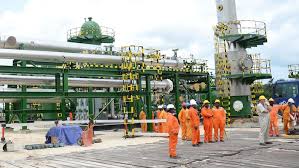
The upstream oil and gas sector in Nigeria involves exploration, appraisal, development, and production of crude oil and natural gas resources. Historically dominated by international oil companies (IOCs) and joint ventures with the Nigerian government (via NNPC and its upstream arm, NPDC), the sector has been shifting towards more indigenous participation under policy reforms and asset divestments. Key metrics that define success for upstream firms include daily production output (barrels of oil per day), reserves (proven, probable, possible), cost of lifting, technical capability (especially for deepwater/offshore operations), and ability to manage risks like theft, sabotage, environmental compliance, and regulatory hurdles. Recent years have seen significant transactions where IOCs have sold onshore and shallow-water assets to local companies. Seplat Energy has been especially prominent, acquiring ExxonMobil’s onshore shallow-water (MNPU) assets, expanding its production footprint. NAOC’s assets being acquired by Oando is another example. TotalEnergies and Shell still have strong upstream operations offshore, including deepwater fields. Challenges include infrastructure (pipelines, export terminals), security (militant threats, theft), regulatory environment (licensing, royalties, environmental standards), and ensuring local content. On the flip side, Nigeria’s upstream potential remains large with underexploited deepwater reserves, marginal fields, and gas fields yet to be fully monetized. The Petroleum Industry Act (PIA) and recent reforms aim to improve investment climate, transparency, cost recovery, and licensing, so leading companies are those that can navigate both technical and regulatory landscapes.

Rice is a staple food in Nigeria with very high demand, but local milling has historically lagged import dependence. Recently, there has been strong government interest, private investment, and improved infrastructure to reduce imports, increase value-addition, and improve food security. The best rice milling companies succeed through several combined features: High processing capacity & modern technology: Mills like Imota and BUA use large-scale automated / semi-automated milling, large storage, quality control labs, and modern packaging. This reduces grain breakage, losses, and improves product quality. Strong sourcing & farmer engagement: Outgrowing schemes, direct procurement from farmers, local paddy supply chains are crucial. Companies like Olam and Stallion engage farmers, provide inputs, ensure steady paddy supply. Branding, quality & hygiene: Quality features (parboiling, sorting, hygienic processing) are increasingly demanded by consumers. Mills that maintain consistency gain trust and market share (Onyx, Costus, Silver Ridge, Supreme). Geographic reach & distribution: Having mills in or near rice-productive states (Kano, Kaduna, Kebbi, Niger etc.) helps reduce transport costs and waste. Also having national distribution channels helps scale. Innovation & collaborative support: Mills working with government policy (e.g. tariffs, import restrictions), participating in agricultural development programs, or investing in infrastructure (power, storage) tend to be more resilient. Challenges remain: power costs, infrastructure (transport, roads), climate/weather risks on paddy production, input cost (fertilizers, seeds), preservation of quality post-harvest, and maintaining consistent standard through the chain.
Import businesses are a backbone of many sectors in Nigeria—automotive, electronics, consumer goods, food ingredients, spare parts, and machinery. The “best” importers are those who can manage the complexities of Customs, foreign exchange, transport/logistics, product quality, and sometimes regulation and tariffs. Key traits of top importers: High shipment volumes and consistency: Auto importers like APN Auto Link and Stallion NMN show up often in trade-data as major importers. Frequent shipments help in optimizing cost and logistics. Volza +1 Wide product variety: Some specialize (automotive, food), others diversify – cars + household goods + spare parts. This diversification helps spread risk (tariffs, FX issues). Strong supply chain & clearance expertise: Importation isn’t just buying from abroad; efficient customs/port operations, clearing agents, warehousing, and inland logistics are crucial. Companies that handle or partner well for those processes succeed better. Retail distribution or end-market insight: Retail-oriented importers (like Omolade Import World) who understand consumer demand, brand preferences, pricing sensitivities, etc., tend to perform well. Challenges include: Foreign exchange volatility and lag time in access to FX Customs, port delays, surcharges, paperwork Regulatory changes (import bans, changes in tariffs) High shipping & freight costs, especially for bulky or heavy goods Competition from informal import channels (sometimes less compliant) In the current economic context, import businesses that can streamline their supply chain, hedge FX risk (or source from more stable currencies), maintain compliance and product quality, and align with consumer demand are positioned to stay ahead.
Nigeria’s export landscape, particularly in non-oil sectors, has been evolving strongly. Recent NEPC and trade reports show non-oil exports climbing in both value and diversity. Key export items include cocoa beans & derivatives (butter, liquor etc.), fertilizer (especially urea), cashew, sesame seed, gold dore, aluminium & copper ingots, soya beans/meal, rubber, and others. Legit.ng - Nigeria news. +3 Managing Nigeria +3 nigeriaoildigest.com +3 What sets the best export businesses apart includes: Scale of operations: Firms like Indorama and Dangote Fertiliser export huge volumes, which gives them leverage in pricing, supply chains, logistics. Value addition / processing: Instead of just raw material exports (e.g. raw cocoa beans), some firms process into derivatives that fetch higher prices abroad. Quality & compliance: Meeting international quality standards, phytosanitary, export certification, packaging etc., which is essential to maintain reputation and access premium markets. Diverse markets: Being able to export to Europe, Asia, Americas etc., and using multiple exit points (ports, airports) helps reduce risk. Recent data indicate Nigeria’s exports reach over 120 countries. NEPC +1 Challenges remain: exchange rate volatility, logistics & transport infrastructure, port delays, power reliability, regulatory / trade policy shifts, costs of certification, and competition from other exporting countries. However, the momentum is strong: more companies are entering export trade, there is government / NEPC support, and agricultural and industrial export earners are gaining ground.

Warehouse & storage in Nigeria is a critical component in supply chains — for agriculture, FMCG, pharmaceuticals, import/export, cold chain etc. The best business in this space do more than simply rent out space; they offer value-added services (temperature control, cold rooms, solar powered units, racking, inventory/SKU management, pick & pack, security), good locations (proximity to ports, roads, farms, markets), reliable power or off-grid alternatives, and technology for tracking, management, and logistics. Cold storage is especially important because a large percentage of produce in Nigeria spoils post-harvest. Enterprises like ColdHubs, Ecotutu, Cold Sylos address that gap with off-grid, solar electric powered cold rooms, strategically placed storage hubs, aggregators, and refrigerated transport. Equipment manufacturers like DeKoolar fill the need by enabling cold storage infrastructure, chillers, freezers, and related systems. On the ambient/general storage side, companies like V-Logic, Mecalux, Cargoburg, Dynafreit provide well-structured warehouse space, fitted for different temperature needs, good security, and are close enough to supply chains to reduce transit time/cost. They also often offer tools for efficient utilization (racking, optimization) and flexibility (short or long term leases). Challenges remain: high cost of power, infrastructure stability, ensuring cold chain integrity (especially with intermittent power), risk of spoilage, ensuring consistent quality in facilities, regulatory standards, and logistics (roads, transport). But the clear trend is growth: more cold chain infrastructure, better warehouse tech, investment in solar or clean energy to keep storage active, and increasing demand from agriculture, food processing, pharmaceuticals, and retail sectors.

Waste management in Nigeria is complex and multifaceted. The best companies combine scale, diversity of services, environmentally responsible practices, reliability, and innovation. Scale means having enough fleet, manpower, and geographic coverage to consistently serve households, commercial entities, industries, and public spaces. Diversity means not just collecting refuse, but also handling hazardous waste, construction debris, e-waste, and recycling streams. Sustainability is increasingly important: companies that embed recycling, resource recovery, and green technologies (waste-to-energy, composting, solar powered sorting, etc.) are far more resilient. Public private partnerships (PPP) are often essential, especially for landfill management, transfer stations, regulatory compliance, and service mandates. User experience & reliability also matter: timely collection, clean operations, fly-tipping prevention, odor control, etc. Community engagement (e.g. Wecyclers offering incentives) helps reduce littering and improve participation. Challenges include infrastructure (landfills, trucks, fuel, roads), regulatory uncertainty, funding deficits, low public awareness or willingness to pay, informal dumping, and the cost of recycling / sorting. There’s also competition from small informal operations, which sometimes undercut pricing but don’t maintain standards. Overall, the best companies are those combining operational strength, innovation, environmental credentials, financial sustainability, and good governance. They not only remove waste, but transform part of it into economic value (recycling, resource recovery), reduce environmental damage, and improve public health.
In Nigeria, Power Distribution Companies (DISCOs) are entities licensed by the Nigerian Electricity Regulatory Commission (NERC) to distribute electricity from the transmission grid to end consumers (residential, commercial, industrial). Since privatization in 2013, there are 11 major DISCOs, each assigned specific geographic coverage areas (states or portions thereof). Performance of DISCOs is measured across several dimensions: metering rate (how many customers have functional meters vs. estimated billing), Collection Efficiency (how much of billed electricity is actually paid for), ATC&C losses (Aggregate Technical, Commercial & Collection losses), response to faults / outages / infrastructure upkeep, customer satisfaction / complaints, and safety and compliance. Over recent years, some DISCOs—especially Ikeja Electric, Eko Disco, AEDC—have led in metering progress, improved customer service tools (apps, self-service portals), and reducing losses. Others lag behind, particularly in rural or conflict-affected areas, where maintenance, metering, and infrastructure are less robust. Common challenges include: old / overloaded infrastructure, unreliable supply of bulk power, delays in meter deployment, estimated billing (which leads to complaints and distrust), revenue collection constraints, and safety incidents. Regulatory interventions (by NERC, NEMSA) and programmes like the Meter Asset Providers (MAP) scheme help push improvement. The best DISCOs are those showing advancement in metering, lowering complaint volumes, better fault handling, improved technical losses, and higher customer base. While no DISCO is perfect, the ones listed above are currently among the top in Nigeria by measurable metrics.
Filling stations in Nigeria play a critical role in the downstream petroleum sector, ensuring supply of petrol (PMS), diesel (AGO), kerosene (DPK), and increasingly LPG (cooking gas). The sector is highly competitive, with both multinational and indigenous brands striving to maintain customer trust through accurate pump dispensing, safe operations, and consistent fuel quality. TotalEnergies leads the market with global standards in service and infrastructure, while Mobil (11 Plc) maintains strong consumer loyalty for premium fuel and lubricants. Government-owned NNPC Retail has perhaps the widest reach, ensuring product availability in urban and rural areas. Indigenous players like Conoil, Oando, Forte (Ardova), MRS, Rainoil, and A.A. Rano have expanded aggressively, bringing modern forecourts, convenience stores, and technology-driven services. Nipco Plc is also noteworthy for combining fuel with gas services, reflecting Nigeria’s energy transition. The major factors influencing customer preference include pump accuracy (avoiding under-dispensing), fuel purity, fair pricing, and availability of additional services like car wash, mini-marts, and gas refilling. As deregulation advances, filling stations are diversifying into LPG and CNG, aligning with Nigeria’s cleaner energy goals.

The paint industry in Nigeria is quite competitive and has matured significantly. Key factors that define the “best” paint manufacturers here include consistency of product quality, adaptability to the tropical climate (heat, humidity, rainfall), range/diversity of coatings (for interiors, exteriors, marine, automotive, industrial), widespread distribution network, and reputation among contractors & homeowners. Major players like CAP Plc, Berger Paints, and Meyer Plc have been around for decades and have invested in research & development to ensure their formulations resist fading, mildew, and cracking under harsh conditions. CAP Plc in particular has shown strong market share growth, especially after merging with Portland Paints. Businessday NG +1 Smaller but strong players (e.g. Marshal Paints, Vaniah, Accurate) fill niches or compete vigorously in regional markets, delivering good quality at more affordable prices or with fast service. Increasingly, eco-friendly or lower-VOC products are also gaining consumer interest. Challenges for manufacturers include raw material import costs (many pigments/resins have to be imported), exchange rate fluctuations, ensuring consistent quality, maintaining supply chains, and meeting regulatory & environmental norms. Also, competition from informal or lower-cost producers affects pricing. But the top companies generally balance these via scale, strong branding, export potential, and innovation in product mix (e.g., specialty coatings, auto & marine, waterproofing etc.).
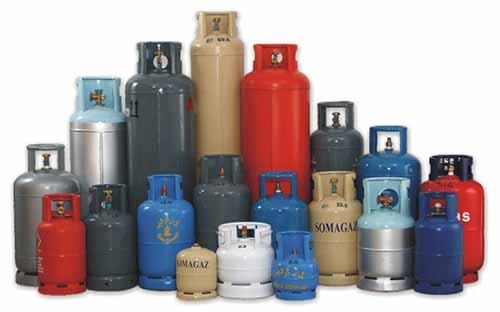
Liquefied Petroleum Gas (LPG), commonly called “cooking gas,” is increasingly seen as a cleaner, safer alternative to kerosene, charcoal, and firewood for domestic cooking in Nigeria. Its uptake is encouraged by government policy, environmental concerns, and urban population growth. LPG companies in Nigeria must manage a value chain that includes importation or local bottling, storage infrastructure (depots, tank farms, skids), cylinder manufacturing & certification, logistics (trucks, filling plants), retail / distribution networks, and lastly delivery to end users. The major challenges in the sector are affordability of cylinders, safety & certification (to avoid leaks or explosions), under-filling issues, lack of access in rural areas, and price volatility tied to international supply & currency fluctuations. Companies that do well tend to have wide geographical spread of depots or bottling plants, strong safety compliance, transparent cylinder filling, and reliable delivery or retail presence. In recent years, tech-enabled delivery (apps, online orders), smaller cylinder packs (like 3 kg) to help lower entry cost, and cylinder swap schemes have become more common. Also, local cylinder manufacturing (e.g. Techno Oil) is seen as critical, to reduce imports and improve supply chain resilience. LPG plays an important role in health (reducing indoor air pollution), environment (less deforestation), and energy transition goals.
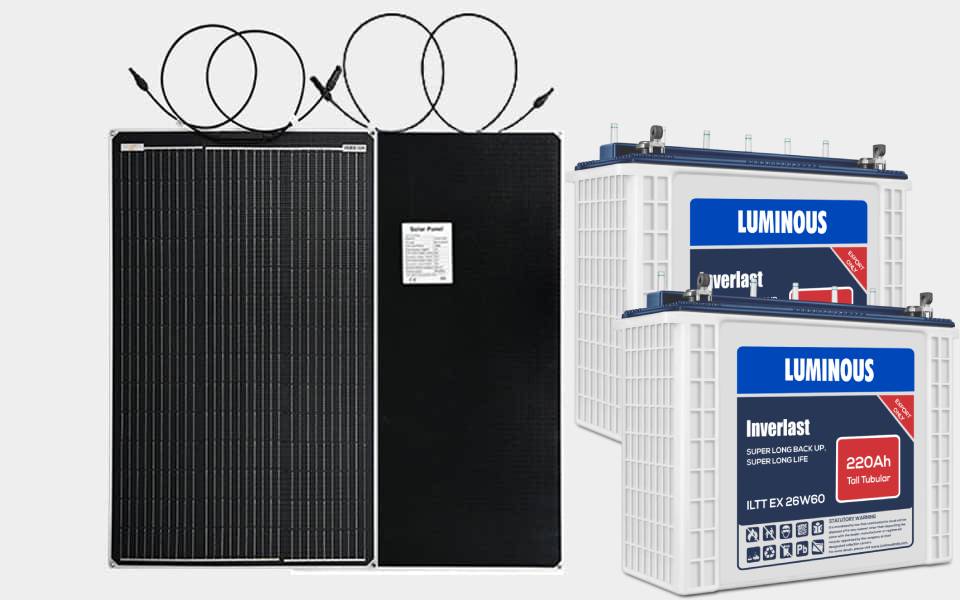
In Nigeria, inverters and batteries are critical for reliable power backup because grid supply is often erratic. The best brands are those offering long backup duration, resistance to voltage fluctuations, durable battery technology (tubular, AGM, gel, or hybrid lithium options), efficient inverters (pure sine-wave or good hybrid ones), plus strong warranty & after-sales service especially replacement or repair of batteries, which degrade over time. Most popular inverter & battery setups are: a hybrid inverter (grid + solar + battery) or standard inverter + deep-cycle battery (lead-acid tubular or maintenance-free sealed). Capacity sizing matters: small homes use 1-3 kVA inverters; larger homes or small businesses might need 5-10 kVA or more. Battery capacity (e.g. 150-250 Ah for 12V, or equivalent higher voltage) is also key. The climate (heat, humidity) and constant full/partial discharge conditions mean batteries must be well built and properly maintained. Brand trust has been built by those who deliver consistent performance over years, respond with service centres, supply spare batteries or parts, and offer warranties that are honored. Price is important but many buyers prefer slightly higher cost for better durability, because replacing batteries or inverters often costs more in recurring hours of downtime. With increasing solar adoption, hybrid inverter brands and solar-battery ready models are rising.
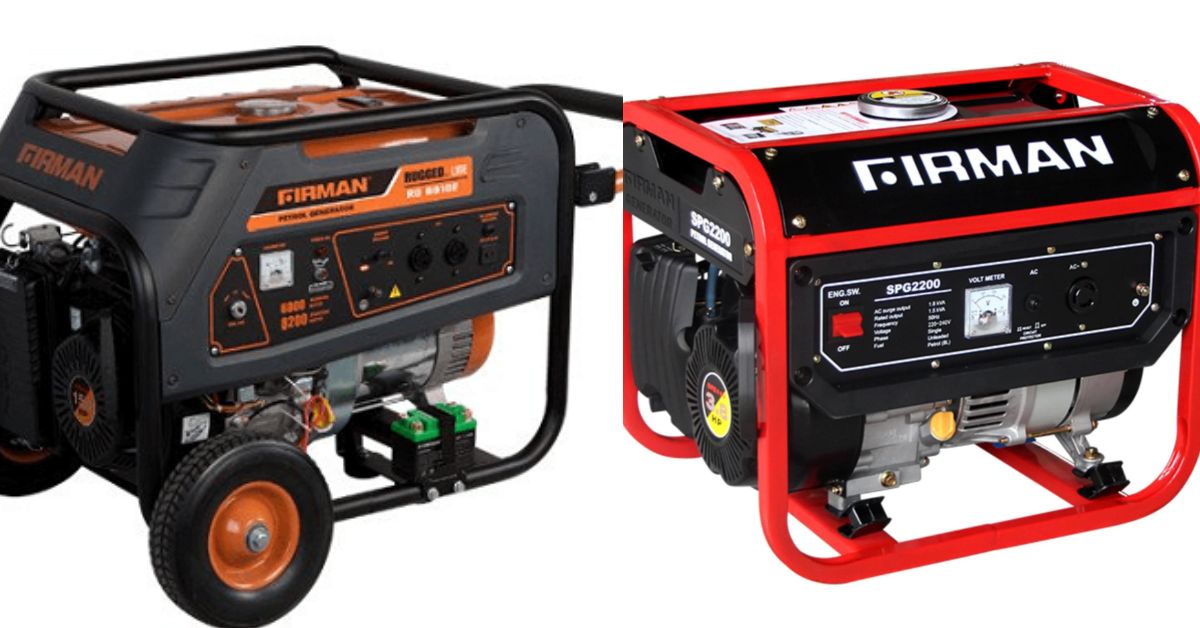
Nigeria’s generator market is one of the largest in Africa, driven by the country’s chronic electricity shortages and unreliable grid. Generator brands cater to a wide spectrum of customers: from small petrol-powered “I-better-pass-my-neighbor” sets for homes, to heavy-duty diesel units that keep banks, factories, hospitals, and telecom towers running. The most popular brands succeed by offering three things: durability, fuel efficiency, and spare parts availability. For example, Mikano, which assembles Perkins and Cummins gensets locally, dominates the industrial space, while Honda, Sumec Firman, Elepaq, and Thermocool are strong in the home and SME segments. Brands like Tiger thrive on affordability, while Yamaha provides premium performance and low noise levels. On the industrial side, Perkins engines are the gold standard, powering many of the large capacity sets in Nigeria. Over time, Nigerian buyers have also begun to favor generators with soundproofing, inverter technology, and gas or hybrid fuel options due to rising fuel costs. The reliability of after-sales service, as well as nationwide availability of parts, often determines brand loyalty more than initial purchase price. As such, generator brands remain essential pillars of Nigeria’s economy, bridging the massive energy gap.

Tech hubs in Nigeria play a crucial role in driving innovation, especially in supporting early-stage startups, helping with business model refinement, prototyping, mentoring, investment readiness, and creating networks. Over the past decade, the number of hubs has grown significantly, particularly in Lagos, Abuja, and increasingly in other states (e.g. Kwara, Plateau, etc.). According to GSMA & Briter Bridges, there are dozens of active hubs, with Nigeria often cited as having one of the densest networks in Africa. Technopolis-group +3 Technext +3 InfoHub Nigeriana +3 What makes the best hubs stand out: Infrastructure & space: Labs, co-working space, fast internet, reliable power, event space. Program & mentorship: Offering incubation, acceleration, workshops, training, often with technical & business mentorship. Funding / investor connectivity: Ability to connect founders to angel / VC investors, sometimes provide seed grants or help prepare pitches. Community & network: Strong local ecosystems, events, collaborations with universities, government or international agencies. Geographic & demographic reach: While hubs in Lagos are most visible, emerging hubs in northern regions & smaller states are increasingly important for distributing tech activity. Challenges include funding sustainability, infrastructure issues (power, internet), regulatory / policy uncertainties, high cost of operations, and sometimes duplication of support without sufficient specialization. But the best hubs are adapting: focusing on local problems, being more regionally inclusive, offering hybrid virtual & physical support, and forming partnerships.

Solar panel brand companies are the manufacturers (or their licensed distributors) that design, produce, test, certify, and supply photovoltaic (PV) modules to the solar market. Their reputation depends on several key factors: Efficiency & Energy Yield: How much of the sun’s energy is converted to electricity, especially under high heat or partial shade. Brands with mono-crystalline, PERC, TOPCon, or bifacial technologies tend to perform better in Nigeria’s conditions. Durability & Warranty: Because Nigerian environments are harsh (high ambient temperature, dust, heavy UV exposure), panels must resist degradation. Warranties (product and performance) of 20-25 years or more are a strong plus. Bankability & After-Sales Service: Brands that are globally recognized, consistently deliver, and can back up warranties (with available spare parts) are less risky. Local support/distributor presence helps. Cost & Local Adaptation: Import duties, freight, and local technical compatibility (mounting, connectors, etc.) add cost; brands that have efficient supply chains or dealers in Nigeria tend to be more affordable in practice. Some local brands/distributors assemble locally or offer bundled deals. Certification & Testing: Brands whose panels have passed international standards (IEC, TUV, etc.) and/or are included in “tier-1” lists are safer. The best solar panel brand companies balance these aspects, offering panels that deliver high output with minimal loss over time, backed by reliable support. In Nigeria, the most visible brands combine global manufacturing quality with local availability, strong warranties, and good value for money given the harsh environment.

Nigeria’s agribusiness ecosystem has been growing rapidly, spurred by rising population, food import bills, climate challenges, and the need for rural employment. Key investors are those who not only provide capital but also reduce risk, improve technical capacity, and connect farmers to markets. The best investors combine financial investment (debt, equity, grants) with capacity building, market access, and risk management (e.g. insurance, structured finance). Funds like the ABC Fund or initiatives like Feed the Future have made large-scale investments in value chains (rice, maize, soy, aquaculture etc.), often targeting SMEs or aggregators rather than only large farms. Banks like Access Bank and FCMB are also stepping in via dedicated agric desks or innovation programmes to enable agritech and smallholder access. Government-led schemes (e.g. AGSMEIS) help provide accessible finance for smaller players. Partnerships (public-private, international development agencies + local firms) are especially valuable in helping to overcome constraints: post-harvest loss, infrastructure, certification, sustainability, climate risks. Challenges remain: risk of defaults, infrastructure (storage, transport, power), access to land, weather/climate risk, regulatory uncertainties, and guaranteeing returns to investors. However, the collaboration between funds, banks, private sector offtakers, and international development organisations is building momentum. With continued innovation, transparency, and supportive policy, agribusiness investment in Nigeria is increasingly viable and impactful.
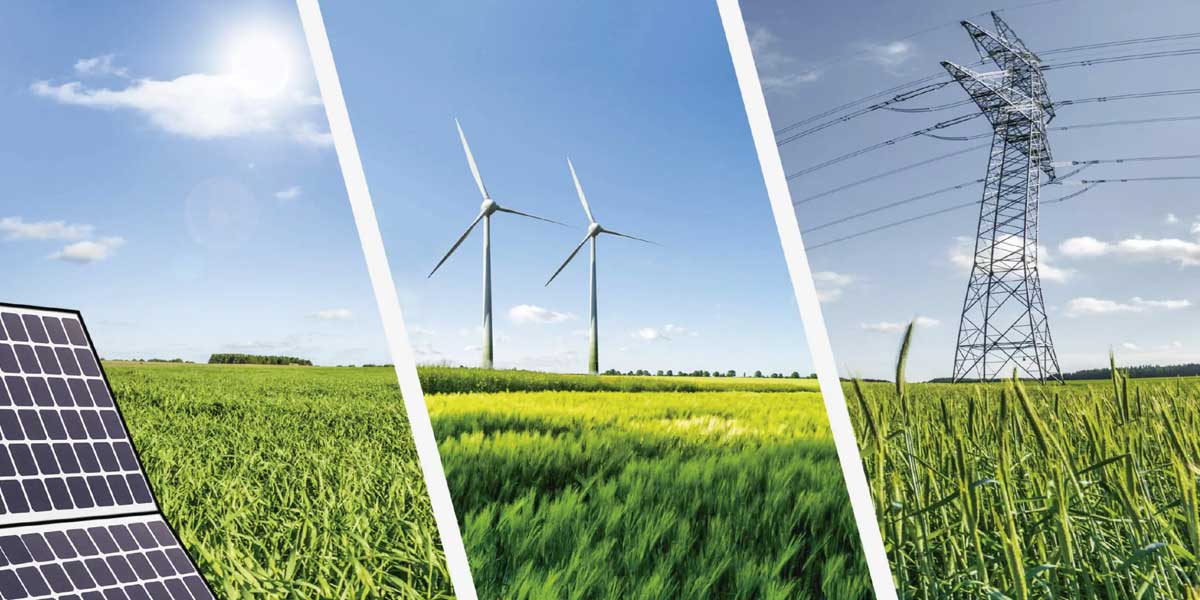
Renewable energy companies in Nigeria play a pivotal role in bridging the massive electricity access gap, reducing reliance on diesel generators, and advancing climate goals. These firms typically offer solar photovoltaic (PV) installations (rooftop, mini-grid, off-grid), energy storage systems (batteries), pay-as-you-go (PAYG) financing models, IoT-enabled monitoring, biomass, wind, and hybrid systems. Many are startups or scale-ups backed by impact investors and venture capital, while others are subsidiaries of established energy or utility firms. Their success is measured by how many homes, businesses, or communities they power; the amount of capital raised; operational uptime; and ability to scale sustainably. In Nigeria’s emerging market with infrastructure challenges, companies that combine innovative financing, strong operations, and local presence tend to lead. Regulatory support (e.g. from the Rural Electrification Agency, Clean Energy Fund), partnerships, and credibility also influence which firms gain traction. Because the sector is still developing, rankings shift quickly as new funding, project wins, and technology innovation emerge. Many of the top players are also active in regional expansion beyond Nigeria, setting them apart in visibility and impact.

Women-owned businesses in Nigeria are increasingly visible and impactful across sectors such as fintech, health, e-commerce, agribusiness, fashion, and social/environmental enterprises. These businesses are often distinguished by three core features: innovation, social impact, and financial inclusion. For example, platforms like Herconomy and Hervest target women’s financial needs — savings, grants, and investment — while others like Wecyclers tackle environmental health and poverty through waste recycling and job creation. Consumer brands such as ReelFruit and Micohype combine value chains (farmers, production) with brand building to serve both local and export markets. Many of the top women-led businesses have also secured funding rounds, which validates market confidence. They show that even in a context with barriers (access to capital, gender norms, regulatory challenges), strong business models and leadership can attract investment. Another pattern is use of technology — ecommerce, digital payments, mobile apps, virtual/augmented reality applications, tech platforms etc. This allows scaling, efficiency, and reaching underserved populations. Finally, these businesses often generate multiplier effects: employ other women, source from local suppliers/farmers, improve environmental outcomes, or deliver societal goods (health, nutrition, waste management). However, challenges remain: accessing venture capital is still harder for women in Nigeria; cultural expectations; scaling beyond local markets; infrastructure & regulatory bottlenecks; competition; trust & brand recognition. Nonetheless, the best women-owned businesses are those closing those gaps, showing resilience, and translating vision into measurable outcomes.

Nigeria’s startup scene has in recent years been increasingly dominated by young, agile entrepreneurs who are solving local problems with technology. Youth-led startups are growing fast in sectors like fintech, food delivery/logistics, education technology, and supply chain/logistics. Key characteristics of the top performers include: Strong product-market fit: They often address daily pain points: payments, deliveries, learning tools. Lean operations & rapid scaling: Many have started in single cities or segments and expanded once unit economics are proven. Access to venture capital & external funding: Startups like Moniepoint, Flutterwave, and Chowdeck have secured large funding rounds from inside & outside Nigeria. Tech savvy youth founders: These leaders often have strong technical or business backgrounds, and are adept at using digital tools. Social impact & inclusion: Many are focused on underserved populations—students, underserved SMEs, remote areas, or creating jobs via gig/logistics platforms. Challenges remain: exchange rate volatility, regulatory uncertainty, cost of operations (fuel, infrastructure), and the ability to stay profitable in low-margin sectors. But the momentum is strong. Youth-led startups are among Nigeria’s fastest growing firms, contributing significantly to job creation, tech adoption, and economic dynamism.

The oil & gas industry in Nigeria is a major pillar of the economy, contributing large shares of export earnings, foreign exchange, government revenue, and employment. Companies in this sector fall into upstream (exploration & production of crude oil and natural gas), midstream (transportation, storage, gas processing), and downstream (refining, fuel marketing, distribution, petrochemicals). The best performing firms are those that combine high production volumes, diversified asset portfolios (offshore, onshore, deepwater), efficient operations, strong local content compliance, and good relationships with regulators and local communities. In recent years, indigenous oil & gas companies have become even more prominent, acquiring assets formerly held by multinational corporations, as part of divestment trends and policies encouraging local participation. Examples include Seplat Energy, Aiteo, and Oando growing via acquisition and expanding gas business. At the same time, multinationals like TotalEnergies and Shell still retain important roles, particularly offshore and in sectors that require large capital investment. Challenges in the sector include pipeline vandalism and oil theft, environmental degradation (especially in the Niger Delta), regulatory and policy uncertainty, infrastructure deficits, and fluctuating global oil prices. Also, refining capacity in Nigeria has long been inadequate, so the growth of large/refined capacity players (like Dangote Refinery and Petrolex) is critical to reducing dependence on imports. Gas utilization (for domestic power, cooking, LNG etc.) is an area of growth and policy focus, especially under the Nigeria Gas Expansion Programme. Regulatory reforms (like the Petroleum Industry Act) are reshaping the environment, affecting licensing, fiscal terms, local content and sustainability. Companies that can adapt to changing policies, maintain operational integrity, and invest in infrastructure & clean energy are best-positioned going forward.

Affordable housing developers in Nigeria are increasingly vital to addressing the massive housing deficit (often estimated in the tens of millions of units). These firms specialize in designing, building, and delivering housing units that are priced, located, and financed in ways low- and middle-income Nigerians can realistically afford. That often means modest homes (e.g. small bungalows, compact duplexes, flats), simpler finishes, essential amenities (water, roads, security, drainage), incremental or modular building methods, and flexible payment or ownership options (mortgage, payment installments, cooperative models). Challenges for affordable housing include high cost of land, high import costs for building materials (often priced in foreign currencies), inflation, rising interest rates, regulatory and approval delays, and infrastructure deficits (power, water, roads). Developers who succeed are those that find ways to reduce costs: using local materials, modular or prefabricated methods, partnering with financing platforms, using cooperative ownership or shared-land models, and ensuring transparency in cost and documentation. The most reliable developers balance affordability with durability & livability: safe sites, good access to transport and amenities, and legal/clean title. They also scale: delivering hundreds to thousands of housing units rather than isolated small projects. As Nigeria’s economy and population grow, and as more policy focus & financing emerge (from government, impact investors, pension funds etc.), affordable housing development becomes both a social necessity and a strong business opportunity.

Home decor and furniture brands in Nigeria are increasingly defining the look and feel of modern homes across the country. As urbanization continues and middle/upper class populations expand in cities like Lagos, Abuja, Port Harcourt, demand has surged for stylish, durable, well-designed furniture and decor accessories. Brands that are leading combine a few strengths: compelling design (often mixing modern and traditional styles), strong online presence + showrooms, good customer service (delivery, after-sales), and product variety (from furniture sets to decor pieces like rugs, lamps, wall art, wallpapers etc.). Challenges for the sector include supply chain (imported materials & components), cost of shipping, fluctuating exchange rates affecting prices, competition from lower-cost imports, and ensuring quality / durability (since harsh climate, humidity, and wear can degrade furniture). Brands that succeed are often those who localize manufacturing/design, offer customization, maintain strong showrooms & display (people want to see & touch products), and harness e-commerce & social media to showcase design trends, promotions, and build trust. In recent years, a few home decor brands have expanded beyond furniture, offering full interior styling / decor finishing (%e.g. wallpapers, lighting, accent pieces). The best brands offer both full furniture (sofa, bed, dining set etc.) and smaller decor items so consumers can either fully furnish a home or just add accents. As consumer tastes evolve, many are seeking culturally resonant pieces (local materials, fabrics) tied with good design. The ones topping the rankings are those combining aesthetics + function + delivery + after-sales + customer trust.

Solar & inverter companies in Nigeria serve a vital role in mitigating the effects of unreliable grid power. They offer a variety of services/products: solar panels, batteries, inverters (hybrid, pure sine-wave, off-grid/on-grid), system design, installation, maintenance, and innovative financing models (pay-as-you-go, solar-as-a-service, power-as-a-service). The most successful firms combine strong hardware offerings (quality, durable panels/inverters), robust battery backup, local technical support, and good after-sales service. Challenges include high import costs, currency fluctuations, inconsistent quality of components, insufficient local manufacturing, and regulatory hurdles. Nonetheless, the market is growing fast—driven by both necessity (for stable power) and incentives (for clean energy). Companies like Daystar Power have gained traction by offering no upfront cost models to businesses, helping them shift away from generator dependence. Others like Arnergy, Lumos, Rubitec etc. are filling niches—rural electrification, mini-grids, residential systems, and impactful community-based projects. With increasing demand, capacity expansions, and greater investment, solar & inverter firms are becoming central in Nigeria’s energy transition. For consumers, the key is selecting companies with proven track records, warranty support, good component sourcing, and transparent pricing. Reliable installers and durable systems make all the difference for long-term value.

Smart home automation in Nigeria is an evolving sector, growing rapidly due to rising demand for comfort, security, energy savings, and modern lifestyles, especially among affluent homeowners, developers, and in commercial/hospitality spaces. These firms provide solutions like lighting control, climate/HVAC automation, smart security (CCTVs, smart locks, motion sensors), AV systems, motorised blinds/shades, home theatre, integrated interfaces (apps, voice, wall panels), often using protocols like KNX, Crestron, or WiFi/hybrid systems. Success in this field depends not just on technology, but on good design, reliable after-sales service, compatibility and interoperability of components, and responsive local support. Challenges include high import costs of premium equipment, fluctuation in foreign exchange, infrastructure issues (power, internet), ensuring devices are durable in Nigeria’s climate, and skilled installation teams. The firms topping the list combine strong portfolios (luxury or large-scale projects), use of international standard technologies, capacity to integrate diverse subsystems, and good customer reviews. As more people prioritize smart living (security, energy management, automation routines), these companies are well-positioned to grow—especially those that provide scalable systems, flexible installation (new builds vs retrofits), and post-installation maintenance.
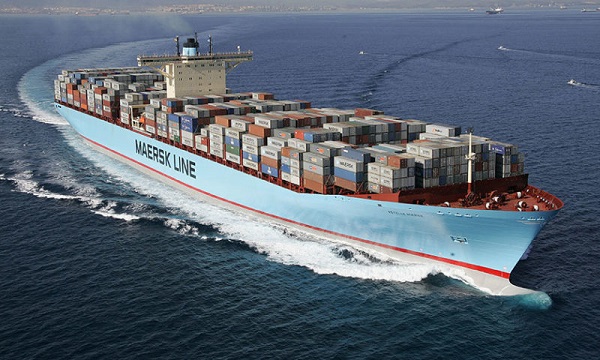
In Nigeria, shipping and logistics cover a wide spectrum: small parcel / courier services for individuals & businesses, e-commerce order fulfilment, domestic haulage, freight forwarding (sea, air, land), customs clearance, warehousing, and specialised marine/offshore logistics. Over the past decade, the rise of online shopping has driven demand for fast last-mile delivery, reliable tracking, and flexible delivery options (e.g. pick up, drop off, same-day, next-day). Local players like GIG Logistics, CourierPlus, Sendbox and others have adopted technology (apps, real-time tracking, dashboards) to stay competitive, reduce delays and increase transparency. At the same time, international giants like DHL continue to dominate when cross-border shipment, global supply chains, or urgent export/import are needed. For heavy and industrial‐scale logistics (e.g. oil & gas, port operations), companies such as Intels and LADOL remain critical, offering infrastructure, specialised equipment, and the capability for handling large cargo. Challenges in the sector include inconsistent road infrastructure, customs delays, security, fragmented last-mile in rural areas, and cost volatility. But regulatory improvements, investment in tech & transport, and growing e-commerce are pushing the shipping/logistics sector in Nigeria toward more efficiency and broader reach.
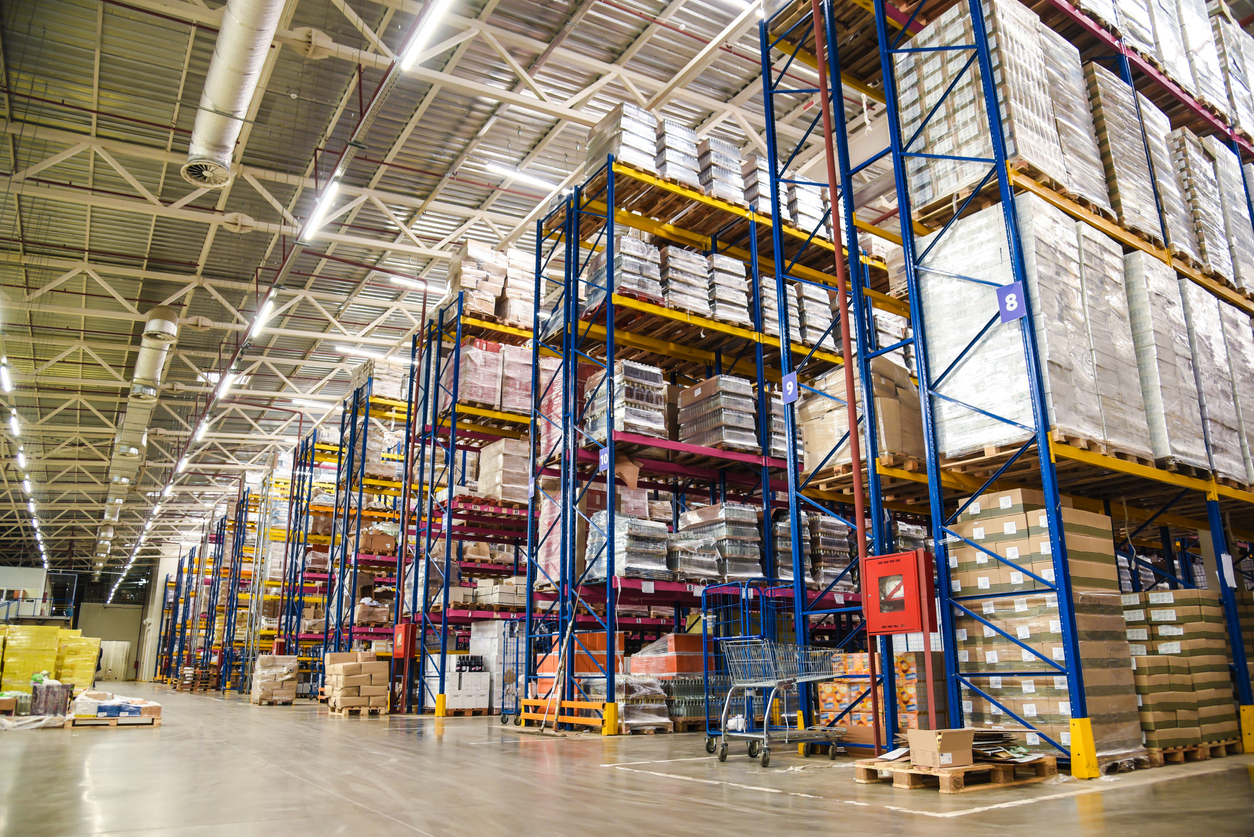
Warehousing and supply chain firms (including 3PL providers) in Nigeria are playing increasingly critical roles in the economy, especially with the rapid growth of e-commerce, FMCG, manufacturing, and import/export trade. These firms offer storage of goods, inventory management, order fulfilment, handling returns, distribution to retailers or final consumers, and in many cases customs clearance and bonded storage. The best ones combine strong physical infrastructure (secure warehouses, racking, cold chain where needed), technology (real-time tracking, dashboards, automation, API integration), and good geographic coverage (major hubs in Lagos, Port Harcourt, Abuja, etc.). Challenges in the industry include high cost of land and construction for warehouses; power supply and infrastructure; customs and regulatory delays; security; transportation costs; and fragmentation of last-mile distribution networks. The most successful firms are those that adopt flexible models (e.g. asset-light, partnering with existing storage facilities), digitize operations, and build trust via reliability, transparency and speed. As Nigerian businesses scale up and seek to export, supply chain firms that can guarantee efficiency, storage safety (including cold storage/bonded storage), and strong transportation / haulage tie-ups will see increased demand. Investors are also focusing on firms which can service SMEs well, since many small businesses find fully-owned warehousing expensive.

Luxury estates in Lagos and Abuja represent the upper echelon of residential living in Nigeria. These are gated or semi-gated communities, often with premium services like 24/7 security, reliable private power supply (generators or solar backup), landscaped gardens, clubhouses, swimming pools, sometimes private schools or shopping within the estate, well-maintained roads and drainage. What sets the top estates apart are location (waterfront, hills, proximity to business districts or government centres), prestige (who lives there, developer quality), exclusivity, and infrastructure quality. In Lagos, the luxury estates are clustered in Ikoyi, Banana Island, Lekki, Victoria Island, and some parts of the mainland that are well kept. Estates like Banana Island, Parkview, Nicon Town, Eko Atlantic have become status symbols as much as homes. They typically command extremely high prices for land & houses. Issues that matter most to residents include flood risk, access to water, traffic, but the most exclusive estates tend to have mitigations: elevated land, good drainage, private amenities. In Abuja, luxury estates are often in Maitama, Asokoro, Mabushi, Life Camp, parts near Aso Rock or diplomatic zones, and newer high-end suburban estates like EFAB, Suncity, etc. There is more space, often more green zones, and in some cases better separation between residential areas, though distance to central services can be a factor. Challenges for luxury estates generally include maintenance costs (both infrastructure & services), the high price of utilities, sometimes escalating costs of materials, and ensuring consistency in services (security, power, water). Also, regulatory clarity (title, documentation) is particularly important because prices are very high, and buyers expect flawless legal standing.

The construction industry in Nigeria is a key player in infrastructure development, urbanization, and economic growth. Over time, demand for roads, housing, bridges, rail, airports, water supply, and power infrastructure has grown sharply due to population growth, migration to cities, and government focus on public works. The top construction companies distinguish themselves by several features: scale (ability to handle large, complex projects), technical/engineering capacity, financial strength, good track record of timely delivery, government relationships for public contracts, and geographical reach (operations in multiple states). Companies like Julius Berger, Setraco, Arab Contractors are often first called for big infrastructure ? bridges, expressways ? because of their experience and reputation. Challenges in the sector include cost overruns, delays due to funding issues or procurement bottlenecks, terrain and logistics difficulties, inconsistent regulatory enforcement, and sometimes corruption or bid disputes. Also, maintaining quality is a concern?projects sometimes suffer from inferior materials or poor workmanship in remote locations. In recent years, more firms are adding precast concrete, modular construction, sustainability practices, modern project management methods, and better transparency. Some Nigerian firms partner with foreign firms to get better technical input or funding. For clients, reputation, past project pictures, references, and compliance with standards become very important when choosing a contractor.

The construction sector in Nigeria relies heavily on cement and related building materials (steel, sand, gravel, roofing, etc.), and cement is one of the most critical inputs. In recent years, demand for cement has surged due to population growth, urbanization, infrastructure projects, and housing shortages. This has led to increased production capacity, more brands entering the market, and more competitors. However, a few large players dominate: Dangote Cement is the biggest, with very high market share and multiple plants. Lafarge Africa is also a heavyweight, with strong global backing, multiple brands (Elephant Cement, Ashaka, UniCem etc.), and premium product lines. BUA has carved out a strong position, especially with expansion into Northern Nigeria and more cost-competitive products. Challenges remain: pricing is volatile (transport, fuel, foreign exchange all affect cost), quality control issues emerge when cheaper/low-standard products are mixed or used improperly, availability & logistics impact what you can get in certain states especially remote ones, and infrastructure (roads, power) costs add to total project cost. For building materials beyond cement (roofing sheets, steel reinforcement, blocks, roofing tiles, POP, etc.), several brands/companies exist (e.g., Nigerite for roofing / sheets; Vinest Global for mouldings, ceiling boards) but often the overall quality is more mixed; buyers must be careful?check for certifications, look at material standards, see testimonials. In summary, choosing the right cement or material brand in Nigeria means balancing cost, strength/durability, local availability, and ensuring the materials meet Nigeria?s relevant standards (e.g. Nigerian Industrial Standards, NIS). For large or structural projects, going with top brands (Dangote, Lafarge, BUA, Ashaka, etc.) may cost more but gives more safety, reliability, resale value, and fewer headaches.

Vehicle tracking in Nigeria has grown into a mature sector, driven by very real needs: theft prevention, fleet cost control, driver behavior monitoring, route optimization, and safety (both for personal vehicles & businesses). With rising vehicle theft, high cost of loss, and inefficient usage of fleets, the demand for reliable GPS trackers + robust telematics / fleet-management platforms has surged. Key capabilities now expected from top providers include: real-time tracking, geofencing (alerts when a vehicle enters/leaves defined zones), remote immobilization (cut-off engine remotely if needed), fuel usage / theft detection, driver behavior metrics (overspeed alerts, harsh braking etc.), historical route replay, good mobile & web apps, and strong customer support + warranty. The best companies combine local presence (installers in many states, local support) with reliable tech & hardware. Also, pricing must be transparent: setup fees, subscription or annual fees, support, etc. Challenges: tracking units being jammed/tampered with; coverage in very remote/rural areas; cost of devices & import duties; maintaining quality installations; ensuring user data privacy/security. Companies that excel mitigate these with strong hardware, multiple network coverage (so if one mobile network fails, tracker still works), good after-sales and fast response times. The above list reflects those that seem to be doing that well in Nigeria in 2025.

Freight forwarding in Nigeria is a critical part of supply chains for importers, exporters, manufacturers, and e-commerce businesses. It covers services like sea freight, air freight, customs clearance, documentation, inland haulage (moving goods from ports or airports to warehouses or final destinations), warehousing, project logistics (especially for infrastructure / oil & gas), tracking, and sometimes packaging or freight consolidation. Key success factors for freight forwarders in Nigeria include strong knowledge of customs regulations / duties, ability to manage delays (port congestion, inspections, document bottlenecks), global partnerships (shipping lines, airlines), reliability in transit times, and transparency in pricing. Companies like D2D Cargo, Fortune Global, Nahco Logistics, and Cargoburg stand out because they combine all these: they maintain offices in major ports/airports, have trained staff for clearance, use tracking systems, and offer both small-scale & large project capacity. Challenges include variable infrastructure (road quality, parking, port facilities), regulatory delays, variable port charges, fluctuating shipping rates globally, and sometimes unclear documentation requirements. There's also competition from many smaller agents who may lack scale or reliability. But for importers/exporters who pick well-established forwarders, freight forwarding is the backbone that enables trade, connecting Nigeria to global markets reliably.

Property listing websites in Nigeria have become very popular in recent years due to urbanization, rising demand for housing, shifts in lifestyle, and increased internet access. Before these platforms, people relied heavily on local agents, word of mouth, newspaper ads, or physically going around neighbourhoods. Now, the convenience of browsing many options from home, seeing photos, filtering by criteria (price, location, rooms), comparing, contacting agents, etc., has transformed how people search for property. A few trends and observations: High traffic & visibility matter: Sites like Nigeria Property Centre and PropertyPro.ng rank top in organic traffic (search engine queries) and are often first seen by people searching for ?apartments for rent Lagos? etc. Ahrefs +1 Verified vs non-verified listings: One issue users often face is fake or outdated listings. Sites that offer verification, update regularly, or allow reports tend to build more trust. Agent / Developer participation: The best platforms have many agents, developers, property owners listing. This ensures more variety and options. Platforms that support agents with dashboards and good exposure tend to have more listings. Good filtering & UX: Search tools (by state, city, price range, type of property, number of rooms, images, maps) are important. If the site loads slowly, has broken images, or poor mobile usability, people move to others. Regional coverage: While Lagos & Abuja dominate many listings, good sites also serve other states fairly well (Port Harcourt, Ibadan, Enugu, etc.), which is a big plus. Trust & transparency: Things like clear contact info, showing whether a property is still available, clear property documentation, realistic pricing all matter. Sites that allow user reviews / feedback add value. Challenges include outdated listings, sellers or agents posting unrealistic photos or poor conditions, difficulty verifying documents, and sometimes high agency fees or unclear charges. For someone wanting property in Nigeria?whether to rent, buy, or invest?using multiple good property sites, doing inspections in person, verifying ownership/titles, and comparing many options is always smart.
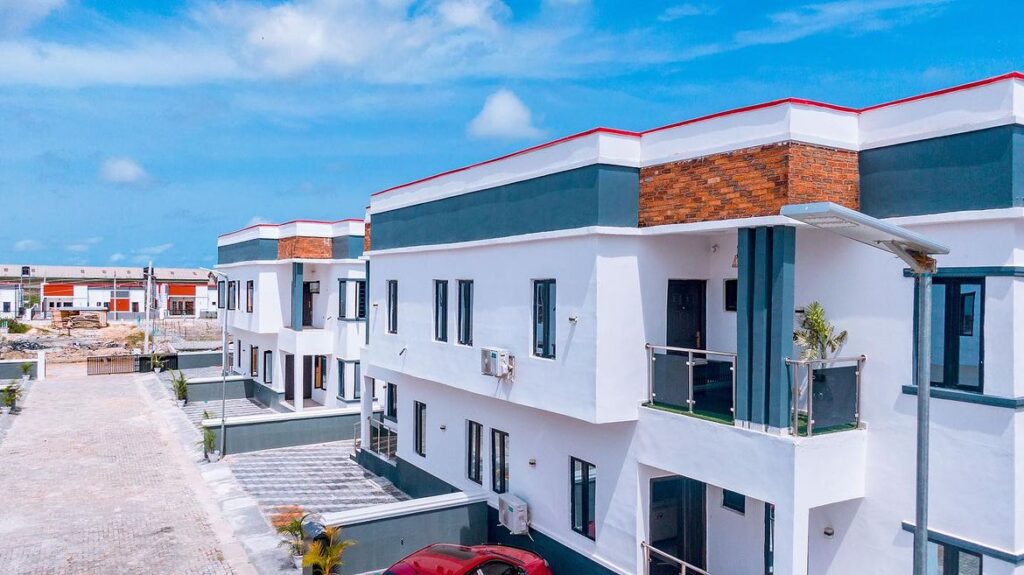
The Nigerian real estate market is large, diverse, and fast-evolving. With a rising population, urbanization, increasing middle class, and diaspora investment, demand for residential, commercial, and mixed-use property has surged. However, the sector also faces key challenges: land/documentation/title issues, inflation in construction materials, regulatory hurdles, infrastructure deficits (roads, power, drainage), and occasional delays in project delivery. Real estate companies that succeed tend to share a few attributes: transparency (clear land title, documentation), flexible payment/financing options (installment plans, rent-to-own, etc.), strategic locations (accessible to roads, amenities), quality infrastructure & service delivery, and good customer reputation. In recent years, there has been growth in companies offering mixed communities with amenities like schools, shopping, recreational infrastructure. Also, premium and luxury developments are growing, especially in places like Lekki, Epe, Abuja satellite towns, partly driven by demand from diaspora buyers. On the more affordable end, companies that manage to offer lower-cost homes or land with secure documentation, even if infrastructure is basic, are also in demand. Technology & marketing also matter: having strong online presence, good listings, social proof, and reviews helps companies build trust. Regulatory bodies (like state land offices, real-estate regulatory authorities) are becoming more important in verifying titles & mitigating fraud.

Car hire and rental services in Nigeria are growing increasingly important both for business and personal use. As more people travel domestically (for work or leisure), attend events, or need airport transfers, dependable rental car services fill a vital gap. The best companies combine varied fleets (sedans, SUVs, luxury cars, vans), multiple locations (major cities and airports, e.g. Lagos, Abuja, Port Harcourt), transparent pricing, vehicle condition / maintenance, and professionalism (chauffeur or self-drive, insurance, tracking, roadside assistance). International operators like Hertz, Avis, Sixt bring global standard operations, brand trust, maintenance, and vehicle quality. Local companies like NaijaCarHire, RideSure, Machel often compete well on price, flexibility (delivery, chauffeur options), and being tuned to local traffic, roads and customer expectations. Regional differences make a big jump in price: rentals in Lagos and Abuja are more expensive than in many secondary cities; luxury or newer models cost significantly more. Some challenges: fuel cost fluctuations, vehicle import duties, maintenance & replacement costs, insurance, and sometimes inconsistent customer service. Also, self-drive is less common than chauffeur drive (especially among premium clients) because of road conditions and navigation issues. But overall, availability is increasing, technology (online booking, apps) is improving, and more people expect clean vehicles, on-time delivery / pickup, clear contract terms.

The airline industry in Nigeria has been growing steadily, driven by increasing demand for domestic and regional air travel, a rising middle class, and improved consumer expectations around safety, comfort, and reliability. According to NCAA data for 2024, Air Peace carried the highest number of domestic passengers, followed by Arik Air, Ibom Air, and others. Legit.ng - Nigeria news. +1 Modern airlines are judged not just by routes, but also by fleet age, on-time performance, value for money, customer service (in-flight experience, baggage, boarding), and how well they respond to service disruptions. Airlines like Ibom and Overland are praised for newer aircraft, improved punctuality, and more courteous service. Meanwhile, larger names like Air Peace and Arik benefit from scale, route diversity, and broader market reach. Challenges remain: fuel costs, maintenance downtime, regulatory compliance, and occasional delays/cancellations. Also, emerging carriers must meet safety audits (e.g. IOSA). With rising competition, many of the airlines are pushing enhancements?digital booking platforms, loyalty programs, better customer feedback mechanisms. Overall, passengers have more options and are increasingly leaning toward carriers that offer comfort plus timeliness plus reasonable cost.

Bus transport companies in Nigeria remain a crucial backbone of mobility, moving millions of passengers across the country?s highways daily. With limited rail infrastructure and expensive air travel, road transport is the most affordable and accessible option for many Nigerians. Leading companies like GIG Mobility, ABC Transport, Peace Mass Transit, Chisco, and GUO have raised industry standards by investing in modern fleets, luxury coaches, safety technologies, GPS tracking, online ticketing, and mobile apps that make booking easier and more transparent. These companies serve nearly every corner of Nigeria, from Lagos to Abuja, Enugu, Port Harcourt, Onitsha, Kaduna, and beyond, while some extend services into West Africa (Ghana, Togo, Benin, and Cameroon). They cater to both budget travelers and customers seeking executive coaches with air conditioning, Wi-Fi, onboard entertainment, or business-class style seating. Challenges like bad road conditions, fuel cost increases, and traffic delays persist, but reputable bus companies continue to maintain customer loyalty by emphasizing comfort, punctuality, affordability, and safety. For Nigerians, choosing the right bus company often means balancing price with convenience, reliability, and travel experience.

Domain registration and web hosting in Nigeria is a foundational part of getting any business, blog, e-commerce site, or digital presence live. Over the past several years, demand has soared, because more SMEs, startups, and individuals want websites, and because better internet access and mobile usage have made online presence more economically useful. Key features providers compete on include: Domain registration (especially .ng, .com.ng, .co.ng, .com etc.), often with free domain when buying hosting for a year or more. Hosting types: shared hosting, WordPress-optimized hosting, VPS, reseller hosting, dedicated servers. Many local providers offer shared hosting which is cheaper and sufficient for small to medium sites. Server performance: SSD storage vs older spinning disks, LiteSpeed servers, good bandwidth, local or regionally close data centres to reduce latency. Security & certifications: free SSL certificates, backups, malware scanning, site migrations. Customer support: live chat, ticket systems, sometimes phone support; local language responsiveness is valued. Pricing in Naira: To avoid currency fluctuations, people prefer providers who allow payment in Naira, with transparent pricing, and minimal hidden fees. Challenges include inconsistent power and data centre reliability, doing backups, dealing with domain renewals and transfers, and sometimes slower response times when scaling. Also, for high-traffic sites, local providers sometimes lack the infrastructure or global network redundancy that international hosts can offer. For someone choosing a provider in Nigeria: good advice is to look for providers with local server options if your target audience is Nigerian; check uptime and speed; ensure free SSL; check domain pricing/renewal fees; test customer support; and choose a plan that allows you to scale (e.g. upgrade to VPS) so you don't get locked in or forced to migrate later under difficult circumstances.
Courier services in Nigeria are vital infrastructure supporting personal communications, e-commerce, business operations, and cross-border trade. Over recent years demand has surged due to the growth of online shopping, social commerce, and a greater need for fast, reliable last-mile delivery. Key challenges include road infrastructure, traffic congestion (especially in cities like Lagos, Ikeja, Port Harcourt), inconsistent addressing, customs & import/export regulation, and cost pressures. The best courier companies manage to combine wide geographical coverage (having hubs & branches in many states), technology such as parcel tracking, mobile apps, and transparent pricing, speed of delivery (same-day, next-day or fast dispatch via bikes/vans), good customer service, and flexible pricing. For personal users, cost and reliability matter most; for business clients, integration with e-commerce platforms, bulk-shipping rates, customs handling, warehousing, and reverse logistics are important. Companies like GIG Logistics, DHL, Red Star Express, Kwik and ABC Cargo express are prominent because they have built trust, scaled operations, and adapted to local realities (e.g. unpredictable traffic, local payment options). Meanwhile legacy postal services like EMS/NIPOST still serve many rural or less-served areas.

Website builders are tools and platforms that allow individuals, SMEs, bloggers, creatives, and startups to create websites without needing deep coding or extensive technical skills. In Nigeria, these builders are especially valuable because many small businesses cannot afford custom website development, or the time & skills required. Builders help fill that gap by offering drag-and-drop editors, design templates, hosting, domain registration, SSL certificates, mobile responsiveness, and sometimes e-commerce integration (payments, catalogs, shipping). In Nigeria the factors that make some builders more preferred than others include: cost in local currency (Naira), because exchange rates can make dollar-priced tools expensive; hosting speed and performance, especially when visitors are accessing over mobile networks; local payment integration (to accept Naija credit/debit cards, mobile money, etc.); customer support / language; and template suitability (designs that resonate with local culture, layout preferences, local content). Builders like Hostinger and Olitt are appealing because they balance affordability with good features; foreign providers like Wix, Shopify, and Squarespace bring stronger global polish and templates but sometimes with higher cost, subscription in dollars, and less local domain or payment flexibility. Pros of using website builders in Nigeria include speed of going live (often in hours), less requirement for technical maintenance, security updates and backups handled by the platform. However, limitations include less control (especially for very custom designs), dependency on platform features (if they change pricing or policies), occasional issues with template limitations, or constraints on SEO or advanced performance. Many Nigerian businesses start with builders, then migrate to more customized/self-hosted platforms as they grow.

Logistics and delivery in Nigeria has become a central pillar for commerce, especially e-commerce, social commerce, and cross-border trade. Given the country?s large population, vast geography with areas that are difficult to reach, and infrastructure challenges (roads, traffic, regulatory hurdles), the companies that perform best are those that combine physical network reach (many branches, drop-off & pick-up hubs) with technology (real-time tracking, apps, APIs, delivery apps). There's also increasing demand for last-mile delivery (e.g. two-hour or same-day in urban centres), good reverse logistics (returns), and cost-efficient fulfillment for small and medium sellers. Companies like DHL, FedEx, UPS bring strong international capability and high reliability; local players like GIG Logistics, Kwik, Sendbox are excelling in adapting to local needs (traffic, addressing, payments, e-commerce). For SMEs, cost is a big factor; platforms that allow aggregation of deliveries or share logistics infrastructure help reduce expense per parcel. Trust, transparency (tracking), safety of goods, speed, and good customer support are top deciding features. As online shopping, social commerce (selling via Instagram, WhatsApp, etc.), and cross-border trade grow, logistics firms that invest in tech, flexible last-mile solutions, and partnerships will continue to dominate.

In Nigeria, the use of CRM (Customer Relationship Management) and business management tools has become increasingly essential for businesses of all sizes, especially with the surge of digital commerce, remote teams, and competitive marketplaces. These tools help companies capture and manage leads, automate follow-ups, track customer interactions (via email, chat, WhatsApp, SMS), manage pipelines of sales/opportunities, integrate with local payment systems (e.g. Paystack, Flutterwave), generate invoices, manage payroll, monitor inventory and assets, and produce analytics & reports that reflect the local business reality (taxes, multi-region operations, mobile usage). The best CRMs in Nigeria are those that combine global best practices with strong local features: naira-pricing, support for local telecom/SMS providers, understanding of local customer behaviour, and good offline/mobile support. Also critical are cost-effectiveness (SMEs tend to have tighter budgets), scalability (businesses growing fast), and integrations (with WhatsApp, accounting, payment, marketing). The tools listed above represent a balanced mix: local solutions like myCRM, Solastis, BluWave; global tools adapted for Nigeria like Zoho, Salesforce, HubSpot; and tools built with region-aware features like Trembi & Freshsales.

About Payment Gateways in Nigeria (~200 words) Payment gateways are services that allow merchants (businesses) to accept online payments ? through cards (Visa, Mastercard, Verve), bank transfers, USSD, mobile money, USSD, virtual accounts, wallets etc. In Nigeria, the ecosystem has matured significantly in recent years due to increased e-commerce, government push for cashless transactions, regulatory improvements, and growing fintech investment. Some of the important factors for good gateways in Nigeria: Licensing and regulation: Gateways must often be licensed or approved by the Central Bank of Nigeria (CBN) or other regulatory bodies (e.g payment service provider status). This increases trust and ensures compliance. Fees & transparency: Different gateways charge for local vs international transactions, per transaction fees, fixed flat fees, caps, etc. For example, Paystack charges ~1.5% + NGN 100 (local cards, capped) and higher for international card payments. MakeMoney.ng +3 Paystack +3 support2.paystack.com +3 Payment channels: USSD, bank transfers, mobile money, cards, QR, virtual accounts are important given diverse customer payment preferences. The more channels supported, the better reach for merchants. Integration & developer support: Gateways with well-documented APIs, SDKs, webhooks, etc., are preferred. They allow e-commerce businesses, apps, startups to integrate payments smoothly. Settlement times & currency support: How quickly merchants receive payment (particularly in local currency vs foreign currency), and whether cross-border payments are supported, matter a lot for cash flow. Reliability & security: Gateways need to adhere to PCI-DSS or equivalent, have fraud prevention, good uptime, customer support. The competition among gateways (e.g. Paystack vs Flutterwave vs Interswitch) has pushed improvements in fees, UX, features. But challenges remain: currency volatility, foreign exchange issues, regulatory changes, payment failures, margins for small merchants can get thin. For any business in Nigeria considering a gateway, it's essential to compare fees (especially the hidden or capped ones), channel availability (does your target customer prefer bank vs card vs USSD?), reliability & support, and whether the gateway integrates with your platform or site.

Accounting software in Nigeria has become increasingly important for businesses of all sizes. Historically many small businesses used spreadsheet tools or manual books, but the shift toward digital/cloud tools has picked up rapidly due to: demands for better financial record-keeping, regulatory compliance (VAT, PAYE, tax), remote working, and need for scalability. Modern accounting packages provide modules for core accounting tasks: invoicing, expense tracking, bank reconciliation, financial reporting (profit & loss, balance sheet, cash flow), inventory tracking, multi-currency, sometimes payroll. Key things Nigerian businesses look for in accounting software: Local compliance: ability to handle Nigerian taxes (VAT, withholding tax, etc.), and integration or easy work with local accountants. Ease of use: many users don?t have full accounting background, so intuitive UI, readable reports, clear invoices are essential. Cost: monthly subscriptions, or free tiers, are attractive for SMEs & freelancers; expensive enterprise tools are often overkill. Bank integration: connecting with Nigerian banks to auto-import transactions saves time. Mobile / cloud: business owners want access anywhere; poor internet or data costs are considerations. Challenges include: weak/inconsistent internet, high subscription costs when converted to Naira, sometimes lack of bank-feeds/local integrations, exchange rate fluctuations, customer support being far (if the company is not local). Good software choices combine affordability, sufficient functionality (beyond just invoices), local compliance, and strong support. As digital adoption increases in Nigeria, competition among software providers also rises, meaning better features and lower costs over time.

Coworking spaces in Lagos and Abuja have rapidly become the backbone of Nigeria?s modern business ecosystem, providing affordable, flexible, and innovative work environments for startups, freelancers, remote workers, and even established corporations. In Lagos, known as the country?s commercial hub, premium coworking spaces such as Workstation, Venia Business Hub, and Impact Hub have set the pace by offering world-class facilities, reliable internet, 24/7 power supply, meeting rooms, event spaces, and networking opportunities. Many of these hubs are located in prime districts like Victoria Island, Ikoyi, and Lekki, giving professionals not just a workplace but also a prestigious business address. In Abuja, Nigeria?s political capital, spaces like Work & Connect, Novare Shared Offices, and CubeHub provide similar value with more emphasis on affordability, accessibility, and professional services tailored to small teams, consultants, and entrepreneurs. These coworking spaces foster collaboration and productivity, while hosting training programs, investor meetups, and community events that drive innovation. The biggest appeal of coworking spaces lies in their flexibility?allowing users to choose hourly, daily, or monthly plans instead of long-term leases, while also offering access to like-minded professionals. As Nigeria?s digital economy grows, coworking spaces in Lagos and Abuja will continue to shape the future of work.

Small and medium enterprises (SMEs) are a backbone of Nigeria?s economy, contributing significantly to employment and GDP. However, many face challenges around financial management, record-keeping, cash flow, payment collection, and business administration. Business apps tailored for SMEs help bridge these gaps by offering tools that simplify tasks like bookkeeping, invoicing, payment processing, expense tracking, and sometimes logistics or inventory. Apps like Kippa, myBooks, Invoice.ng, and SpendTab address the bookkeeping and financial clarity front: keeping business books, categorizing expenses and income, generating reports, staying tax-ready, and helping business owners understand profitability. These are crucial because many SMEs traditionally operate on paper or ad-hoc spreadsheets which are error prone, hard to scale, and risky for tax compliance. Then there are apps focused on payments and cash flow: Paystack, Flutterwave, Moniepoint, Remita, OPay for Business and others. These allow SMEs to accept payments online, send invoices, receive payments, handle POS or mobile collections, reconcile transactions, and sometimes manage payroll. The efficiencies here reduce delay in payments, improve financial visibility, reduce reliance on cash, and help build trust with suppliers/customers. For an SME choosing among these apps, key considerations include: costs & fees (transaction fees, subscription, charges per invoice), integration & compatibility (does it work with their accounting system / bank / e-commerce platform), user interface & ease of use (many SME owners are not tech experts), mobile app support (since many run business via phones), reporting & tax readiness, and customer support / reliability. Good apps help reduce administrative overhead, improve decision making, preserve cash flow, and free up SME owners to focus on growth rather than paperwork.

Nigeria?s e-commerce sector has matured significantly in recent years. What used to be niche is now mainstream: more people have access to smartphones, better internet, and are comfortable making payments online. The best shopping sites in Nigeria tend to share several key features: Wide product variety & categories: Top sites like Jumia, Konga, and Slot offer everything from electronics, fashion, home appliances, groceries, to daily necessities. This breadth is a major draw. Trust and authenticity: Verified sellers, warranty services, return policies, and product guarantees are big differentiators. Buyers want assurance that what they order is real, of decent quality, and that there is some recourse if things go wrong. Payment flexibility: Cash on delivery (COD), mobile money, card payments, and internal wallets (e.g., JumiaPay) help reduce friction, especially because not everyone trusts or has access to credit/debit cards. Delivery speed and logistics: The best platforms have good logistics networks. Konga?s K-Xpress, Jumia?s delivery hubs, etc. Swift, reliable delivery (especially in Lagos, Abuja, Port Harcourt) earns trust. Rural/remote deliveries remain more challenging. Challenges remain: product pricing can vary a lot; fake or low quality goods sometimes slip through; import-delays or shipping cost issues for international platforms; returns & customer service can be slow depending on location; some apps/websites have UI/UX issues, glitches, or longer load times. Also, high costs of logistics & last-mile delivery in Nigeria (power, roads, addresses) still push up final costs or delivery times. Overall, for many Nigerians the best shopping site is the one that balances product authenticity, cost, convenience of payment/delivery, and customer trust. As competition increases, many sites are making more aggressive improvements in promotions, UX, delivery, and after-sales service to stand out.

Freelance marketplaces are online platforms that connect clients (businesses, individuals) with independent workers who offer services ranging from graphic design, writing, and digital marketing, to programming, administrative work, consulting, and more. They provide tools for profiles, portfolios, job listings, bidding or pricing, contracts, and payments. For users in Nigeria, key factors include ability to withdraw earnings (via Payoneer, bank transfer, sometimes Wise etc.), fees/commission rates, competition, payout timelines, and quality of jobs offered. In Nigeria, freelance marketplaces are very attractive for several reasons: high youth unemployment, inflation reducing local earnings, and the growing digital economy. Many people use freelancing to earn in stronger currencies, or supplement income. Platforms like Upwork, Fiverr, Freelancer.com etc. are global and allow Nigerians access to clients worldwide. Meanwhile, local platforms (Findworka, Freelance Nigeria, JustFrom5k, Asuqu etc.) help reduce barriers such as payment friction, verification issues, and sometimes cultural / communication lags. Challenges include heavy competition (many freelancers from all over the world bidding), platform fees / commissions, risk of non-payment or delayed payments, scammers, and sometimes low initial pay especially for newcomers. To succeed in this environment, it helps to build a strong portfolio, get good feedback ratings, niche down in skills, be clear in job proposals, and ensure legality/tax compliance where applicable.

Nigeria?s mobile app ecosystem has expanded significantly over the past decade, driven by rising smartphone penetration, better internet coverage (4G LTE, fibre, wireless), decreasing cost of data (in some cases), and growing digital literacy. Fintech apps (payments, transfers, savings, micro-loans) dominate among most used apps, largely because access to traditional banking is limited in many areas; mobile apps provide accessible, often lower-barrier alternatives. Apps like OPay, PalmPay, Moniepoint, Kuda, FairMoney, OKash etc. serve large populations by offering services that address daily pain points: paying bills, transferring funds, accessing credit, saving money, running small businesses etc. Beyond fintech, social/messaging apps (WhatsApp, Telegram), entertainment (streaming, music), and utilities (utilities-payments, news, marketplaces) are also heavily used. For example WhatsApp Messenger is almost universal in Nigeria for communication, while Facebook Lite, Xender, TikTok (and TikTok Lite) appear in ?most used app? rankings. Businessday NG +1 Challenges remain: usability in low data/low bandwidth conditions; power/internet stability; fraud/security concerns; regulation (for finance apps especially). Also, many apps advertise ?free? or low-fee services but may have hidden costs or require detailed KYC steps. Trust is a big factor. For many users, localization (language, UI/UX suited to local conditions) is important. Still, mobile apps are transforming how Nigerians work, communicate, bank, and access services?bypassing many traditional infrastructure limitations.

Startup incubators & innovation hubs are key parts of Nigeria?s entrepreneurial ecosystem. They provide early-stage support to founders and startups in areas such as mentorship, access to workspace / co-working facilities, networking, training (business, technical, market), sometimes seed funding or linkages to investors, and often support in product-development or go-to-market strategy. Some also help with legal, regulatory and compliance support, or with partnerships with universities, government, or investors. In Nigeria, these hubs play a critical role because many young entrepreneurs lack infrastructure, access to capital, or strong networks. Hubs in Lagos tend to dominate due to concentration of tech investment and talent, but there has been growing spread into other regions: Abuja, Jos, Ilorin, Uyo, etc. Public-private partnerships, NGOs, donors and philanthropic programmes (like the Tony Elumelu Foundation) also contribute significantly. When choosing an incubator/hub, founders often consider: the quality of mentorship, track record of alumni startups, access to funding or investors, sector focus (e.g. fintech, cleantech, agritech, social innovation), cost, geographic proximity, digital resources, and how long they can stay in the program. Challenges include sustainable funding of the hub itself, ensuring good follow-on investment for startups after incubation, infrastructure costs, maintaining mentor quality, and regional access (not everyone is in Lagos/Abuja). Because of recent startup indices (e.g. StartupBlink) showing Lagos as one of Africa?s top startup cities and growing ecosystems in other cities, this list should be quite up-to-date and relevant.

In Nigeria, mobile data plans are offered by several major telecom operators (MTN, Airtel, 9mobile, Glo) and increasingly by ISPs with LTE or fixed-wireless options. These plans are categorized by validity periods (daily, weekly, monthly, longer), by data volumes (small ? tens or hundreds of MB; medium ? few GB; large ? tens to hundreds of GB), and by extras (free nights, free streaming hours, bonuses like free voice minutes or free access to certain apps). Pricing has been under pressure: increased cost of infrastructure, currency risks, energy/power costs, regulatory levies, etc., which means telcos often pass some of that to end users. As a result, the cost per GB has in many cases risen; smaller bundles cost proportionally more per GB than larger bundles. There are often ?special? or ?promotional? plans which temporarily give more data or lower prices, or night-time or weekend bundles that are significantly cheaper but limited in when you can use them. Network coverage and reliability matter a lot: even if you buy large data bundles, if your area has poor signal strength, dropped connections, congestion, or frequent network issues, you'll not get full benefit. Also, many ?unlimited? or very large plans have fair usage or post-FUP speed reductions once certain thresholds are exceeded, so ?unlimited? doesn?t always mean full-speed always. For consumers, the best plan depends on usage pattern. Light users (messaging, light social media) can go for smaller, cheaper bundles daily or weekly. Heavy users (streaming, downloads, work from home) should opt for large monthly or multi-month bundles from operators with good coverage in their area, possibly paying more per GB but getting better stability. It?s also wise to watch for promotions and to check the activation and validity codes so you don?t lose value.

Recruitment agencies in Nigeria are organizations that connect employers with potential employees. Their services typically include candidate sourcing, screening, shortlisting, interviewing, placement (permanent, contract or temporary), and sometimes additional HR services like background checks, payroll support, onboarding, and training. Some also offer more specialized services such as executive search (for senior roles), sector-specific staffing (IT, oil & gas, healthcare, etc.), and HR consulting. These agencies serve both job seekers (helping them find suitable roles, often with guidance on CVs, interview prep) and companies (helping fill vacancies quickly, assessing candidate fit, reducing hiring cost & time). The industry has grown significantly due to Nigeria?s large, youthful population, rising unemployment, and demand from companies for efficient hiring, especially as businesses scale or adopt hybrid/remote work. Key factors that make a recruitment agency ?top? include: track record of successful placements, time-to-fill vacancies, quality of candidates, reputation among employers & job seekers, industry specializations, digital tools & reach (online platforms, candidate databases, LinkedIn presence, etc.), transparency in fees & process, and service after placement (onboarding support, follow up). Challenges include ensuring candidate quality, managing fraudulent job postings, maintaining active databases, competition among many agencies, the cost of maintaining operations, and building trust (for both employers and job seekers).
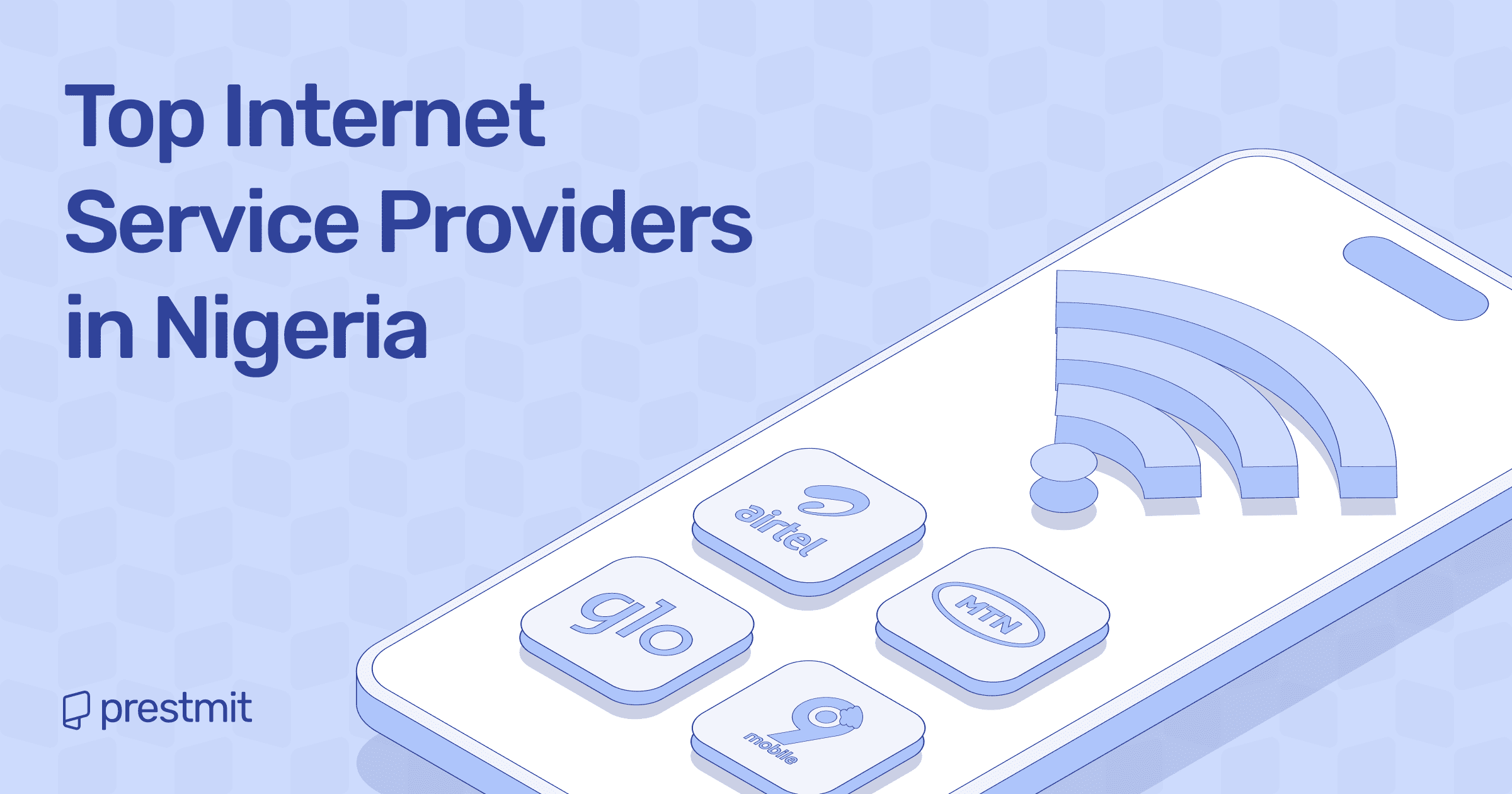
An Internet Service Provider (ISP) in Nigeria is a company that delivers internet connectivity to individuals, businesses, and organizations using technologies such as fibre optics, 4G/5G LTE, satellite, and wireless broadband. ISPs play a critical role in bridging Nigeria?s digital divide by providing access to online services, communication tools, and cloud-based platforms that drive economic and social development. Nigeria?s leading ISPs?such as Spectranet, Smile Communications, MTN Nigeria, Airtel, and Coollink?offer diverse plans tailored to different needs, from affordable mobile data bundles for casual browsing to high-speed fibre and enterprise packages for businesses. They often provide additional services like virtual private networks (VPNs), cloud storage, cybersecurity solutions, and managed network services. Competition among ISPs has improved internet penetration, reduced costs, and spurred investment in network infrastructure, including nationwide fibre rollouts and satellite broadband to reach rural communities. Challenges persist, such as inconsistent power supply, network congestion, and high infrastructure costs, but innovations like 5G and community Wi-Fi projects are enhancing reliability and speed.

Business schools in Nigeria are institutions or units within universities and standalone entities that provide training in business management, leadership, entrepreneurship, executive education, MBA/EMBA/MSc programmes, and short courses for managers and business professionals. They fulfill a critical role in developing the managerial, leadership and entrepreneurial capacities needed to drive both private sector growth and public sector development in Nigeria. Key factors that mark out the top business schools include accreditations (national bodies like the National Universities Commission, and if possible international ones like AACSB, AMBA), quality of faculty (academic credentials + industry experience), curriculum relevance (practical, contextualised to Nigerian & African business environments), executive and short courses in addition to full MBAs, strong industry linkage, alumni network, research output, and good infrastructure. Nigeria has both public university business schools and private ones. Public ones (like University of Lagos, Ahmadu Bello University, Obafemi Awolowo University, University of Nigeria) tend to have lower tuition fees, strong academic reputation, but sometimes face challenges such as infrastructure constraints, funding, and striking staff. Private business schools (or those attached to private universities) often offer more modern facilities, sometimes smaller class sizes, possibly more flexibility, but also higher fees. Trending in recent years are more Executive MBA programmes, online or hybrid delivery, entrepreneurship development, sustainability & ESG topics, digital transformation, and more emphasis on case-studies and experiential learning. For students, deciding among business schools often involves considering cost, location, duration, recognition, specialisations, and the learning style (e.g. lot of interaction, network, hands-on projects).

Auditing & tax firms in Nigeria play a critical role in ensuring transparency, accountability, and compliance within the corporate sector. Audit services ensure that financial statements are true, fair, and compliant with International Financial Reporting Standards (IFRS). They also help in internal control evaluation, forensic reviews, and risk assurance. Tax services cover corporate tax filing, VAT compliance, transfer pricing, tax planning, and resolution of disputes with the Federal Inland Revenue Service (FIRS) or state tax authorities. The Nigerian auditing sector is dominated by the Big Four ? KPMG, EY, PwC, and Deloitte ? which handle most large corporations and listed companies. Their global reach, technical expertise, and credibility make them trusted advisors. However, mid-tier firms like Crowe Dafinone, BDO, Grant Thornton, Nexia, Baker Tilly, and RSM play a vital role, especially for SMEs, indigenous companies, and businesses seeking cost-effective yet reliable services. Professional oversight is provided by the Financial Reporting Council of Nigeria (FRCN) and the Institute of Chartered Accountants of Nigeria (ICAN), ensuring quality and independence. As Nigeria?s economy grows, these firms are increasingly using digital auditing tools, data analytics, and automated tax solutions to improve efficiency and accuracy.

Consulting firms in Nigeria provide professional advisory services to private and public sector clients. Their services typically include strategy development, operational improvement, business transformation, digital/technology consulting, human capital & organisational change, risk & regulatory advisory, financial advisory, mergers & acquisitions, and sometimes sector-specific work like oil & gas, agriculture, telecommunications. The consulting landscape in Nigeria mixes large global firms (?Big Four? + global strategy firms like McKinsey & BCG) with strong indigenous players. The globals bring international best practices, large project budgets, deep technical resources, and cross-border exposure. Local firms often bring advantages in cost, better contextual understanding (local culture, regulatory environment, political economy), and closeness to SMEs and smaller clients. Key factors that make a consulting firm highly rated include: reputation, breadth & quality of services, client list & case studies, delivery capability (on time, on budget), local/regional presence, innovation & use of digital tools, and value for money. Recent trends include more demand for digital transformation, sustainability consulting (especially climate risks, ESG), organisational change, data analytics, and cost optimisation in face of macroeconomic pressures. Challenges local consulting firms face include capacity constraints (talent, training), competition from globals, managing costs and expectations, dealing with regulatory and infrastructural obstacles, and maintaining quality along with profitability. But overall, the sector is growing, driven by private sector demand, foreign investment, and government seeking advice on policy, infrastructure, and efficiency.

Forex & trading platforms are online financial services that let individuals buy, sell, or exchange currencies (forex), as well as often other financial instruments like contracts for difference (CFDs), commodities, indices, and sometimes stocks/crypto. They provide tools for charting, analysis (technical & fundamental), order execution, risk management (stop-loss, take-profit), leverage/margin, and sometimes social trading or copy-trade features. In Nigeria, forex trading has attracted strong interest due to currency volatility, opportunities for leverage, and the ability to participate in global markets. However, retail forex trading is currently unregulated in Nigeria under SEC or CBN; that means local regulatory oversight is lacking, and any platform you use is regulated abroad if at all. Traders must therefore check that the broker is regulated by recognized authorities (e.g. FCA UK, ASIC, CySEC, FSCA, etc.), has good reviews, transparent fees, strong security, and offers reliable deposit/withdrawal mechanisms (especially in naira or via local banks) to reduce costs. SafeForexBrokers.NG +2 Vanguard News +2 Key features to compare in choosing a good platform: Regulation & trust: Ensures safety of client funds, audit, transparency. Spreads / trading costs: How much it costs per trade; tighter spreads = lower cost. Leverage & margin requirements: High leverage increases risk. Platform usability: Web, desktop, mobile; availability of MT4 / MT5; speed of order execution. Funding / withdrawal options: Local bank transfers, NGN support, ease & fees. Risks include market risk, leverage risk (can lose more than capital if not careful), platform risk, regulatory risk (if broker is not properly authorised), withdrawal delays or restrictions, and sometimes hidden fees.

Pension Fund Administrators (PFAs) in Nigeria are firms licensed by the National Pension Commission (PenCom) under the Pension Reform Act to manage the Retirement Savings Accounts (RSAs) of contributors. Their primary roles include investing contributions (from employers and employees), ensuring regulatory compliance, preserving and growing the pension assets, and eventually facilitating payment of pension benefits or retirement income. There are several RSA fund types (often four for active contributors, distinguished by varying risk exposures, and a more conservative fund for retirees) that PFAs manage. Contributors choose or are assigned a PFA and a specific fund, depending on age, risk tolerance, and preference. The performance of these funds is measured by returns across the RSA categories; PFAs are frequently compared by monthly or annual return rates, AUM size, contribution inflows (number of RSAs), fees (administration & management), and customer service (ease of account access, transparency, portals etc.). Important metrics for ranking PFAs include: Assets Under Management (AUM): larger AUM reflects trust, size, capability to manage big volumes, and economies of scale. Return on RSA Funds: especially for Fund I (high risk / high potential return) and Fund II (balanced). Strong performance here shows good investment strategy. Service Reach & Digital Tools: How many RSAs; how easy it is to check your contributions, statements, switch funds; use of self-service portals & apps. Regulatory compliance & cost structure: Low fees and high governance are positive; PFAs must comply with PenCom guidelines. Challenges include managing risk (market fluctuations, inflation, government debt issues), balancing safety with return, fee pressures, and sometimes public distrust. Strong PFAs manage to deliver consistent positive returns, maintain transparency, and scale digital access?all while safeguarding contributors? funds.

Insurance companies in Nigeria are firms licensed by the National Insurance Commission (NAICOM) to offer risk management products to individuals, families, businesses, and governments. Products typically include life insurance, general or non-life insurance (e.g. motor, fire, marine), health and medical insurance (including HMOs), pensions/annuities, savings & investment linked insurance, and specialised covers (aviation, engineering, agriculture etc.). The Nigerian insurance industry has been growing in recent years. Premium income across listed insurance companies rose significantly in FY 2024 compared to 2023. However, insurance penetration (the proportion of GDP covered by insurance) remains relatively low compared to developed economies, which means many people and small businesses still do not use insurance. Factors limiting growth include lack of awareness, trust issues (people fearing that claims won?t be paid or that procedure is difficult), regulatory and capital requirements, infrastructural challenges, and sometimes slow claim processing. On the positive side, many insurers are adopting digital tools: online policy purchases, mobile claims, chat-bots, improved customer interfaces. Insurers also compete on diversification of product offering, improving underwriting, better risk pricing, reinsurance arrangements, and more customer-friendly services. Some also use agent networks, brokers, and partnerships to reach rural or underserved regions. Strong insurers are those combining financial strength, transparency, good claim history, regulatory compliance, innovation, and fair pricing.
Microfinance Banks in Nigeria (licensed by the Central Bank of Nigeria, CBN) are specialized financial institutions focusing on providing financial services ? savings, small/short-term loans, payment services etc. ? especially to the under-banked, low-income individuals and micro/small enterprises. The sector has grown rapidly: as of December 2024 there were 729 licensed MFBs (of various tiers) and total industry assets rose substantially. This list ranks them not just by size, but by innovation, reach (branches / agent / POS network), customer satisfaction & inclusion, digital adoption, and regulatory/ratings performance. Sources include Nairametrics, NaijaCompare, BrandNewsDay, Agusto & Co., official bank websites, and sector-reports.

Investment apps in Nigeria enable individuals to invest in various financial assets?stocks (local and international), mutual funds, fixed income, ETFs, bonds, savings plans, real estate, or even agriculture-linked opportunities?using their phones or computers. Because of the rising cost of living, fluctuating currency (naira), and limited access to traditional brokerage for many Nigerians, these apps have become essential tools for wealth building and financial inclusion. Key features often valued include: low minimum investment, clarity of fees & commissions, regulatory licensing (by the Securities Exchange Commission, or SEC, in Nigeria), ability to invest in both naira-denominated and dollar/international assets, good UX/interface, reliable customer support, and secure operations. The best apps balance risk & reward: offering diversified portfolios, transparency, liquidity (ease of withdrawing), and options to hedge against inflation or currency devaluation. Many Nigerians prefer apps that let them access US or global markets (stocks, ETFs) as well as local ones, for diversification. Also important are safety: proper KYC/AML, licensing, transparency about how funds are held. This list is compiled using recent download & rating statistics (Play Store / App Store), articles from fintech media (e.g., Nairametrics, Crest Africa), and SEC / public disclosures of these platforms. Always verify the latest terms yourself, because features, interest rates, and fees change often.

Loan apps are digital lending platforms that allow individuals (and sometimes small businesses) to access credit, often with minimal paperwork, collateral, or visits to bank branches. In Nigeria, these apps have grown rapidly due to high mobile penetration, demand for quick cash (for emergencies, school fees, small business), and gaps in traditional banking credit access. Key features usually include: unsecured loans, digital verification (BVN, bank transactions, sometimes phone usage patterns), instant or fast disbursement, and flexibility in repayment periods. However, because many apps charge high interest rates, fees, or impose strict (sometimes unfair) recovery practices, regulation matters. The Federal Competition and Consumer Protection Commission (FCCPC) and Central Bank of Nigeria (CBN) have put in place guidelines & blacklisted some abusive or unlicensed apps. The most trusted apps are those with good app-store ratings, many downloads (showing user trust), transparent terms (interest, fees, repayment), and backing by licensed microfinance banks or financial institutions. In this list, I?ve used recent user ratings (Google Play mostly), download counts, regulatory approval, and consistency in service to pick the top apps. Always check current terms before borrowing, since interest rates & rules can change.

POS (Point-of-Sale) service providers supply the terminals (devices) and infrastructure that allow merchants, agents, and small businesses to accept payments (card, mobile wallet, cash withdrawals), pay bills, sell airtime/data, and do transfers. In Nigeria, POS services are central to financial inclusion: they bring banking services closer to communities without bank branches. Key success factors are: high uptime & low failure rate (especially in areas with unstable power or poor internet), fast settlement of funds to agents/merchants, low transactional fees/commission rates, good customer support, affordable device/caution fees, and strong agent networks. As more people adopt cashless or semi-cashless economies, having a reliable POS provider can be a dependable income source for agents. Challenges include device cost, maintenance, logistics (delivering / replacing faulty terminals), competition (which pressures fees), regulatory compliance (CBN?s rules and oversight), and variability in service depending on location (urban vs rural). For merchants, the best POS systems combine reliability, transparency, minimal downtime, low charge per transaction, and responsive support.
Traditional banks (commercial banks, merchant banks, universal banks) remain the backbone of Nigeria?s financial system. They are regulated by the Central Bank of Nigeria (CBN), hold full banking licenses, maintain physical branches, offer savings & current accounts, credit/loan facilities, corporate banking, foreign exchange, trade finance, and more. Despite the rising popularity of digital and neobanks, traditional banks continue to dominate in terms of total assets, customer deposit base, credit provision, foreign operations, and infrastructure. Their strengths include broad geographic reach (branches, ATMs), large customer bases, ability to offer large scale corporate and trade banking services, diversified products (retail, SME, corporate, investment banking), and often greater resilience in terms of capital buffers. On the flip side, they tend to have higher costs, perhaps slower digital innovation, higher fees/charges in some cases, and more bureaucracy. In Nigeria today, the ranking of banks is often based on metrics like total assets, market capitalization, customer base, branch/agency network, and profitability. As of Q1 2025, banks such as Access Bank, Ecobank Nigeria, Zenith Bank, UBA, GTCO (GTBank), First Bank, Fidelity, Stanbic IBTC, FCMB, and Wema are the top players by assets. These banks are critical in driving economic activity?facilitating trade, agriculture, infrastructure, remittances, and providing banking services for individuals and businesses nationwide. For reliability, regulation (CBN oversight), and access (both physical and digital), traditional banks are still widely trusted and used in Nigeria.

Digital banks (often called neobanks) are financial institutions that provide almost all of their services through online platforms?apps and websites?without relying on many physical branches. In Nigeria, their growth has been driven by high mobile phone penetration, a large unbanked or under-banked population, demand for lower fees, and convenience. They offer many traditional banking services: account opening, transfers, bill payments, savings, virtual/physical debit cards, loans, and often budgeting tools?all with more transparency and less paperwork. Some key advantages include lower maintenance or account fees, real-time notifications, intuitive user interfaces, fast onboarding (often just with a BVN and identity verification), and the ability to access banking services from anywhere. Digital banks sometimes offer innovative products like zero-fee transfers, interest on savings, cardless withdrawals, virtual cards, and even creative lending and investment options. However, there are challenges: compliance with regulatory frameworks (CBN in Nigeria), ensuring cybersecurity, managing costs (especially for physical card issuance, logistics), trust among customers who are used to traditional banks, and ensuring that service is reliable (app downtime, support, etc.). As the market matures, the best digital banks are those that balance innovation with trustworthiness, security, customer support, and clear pricing.
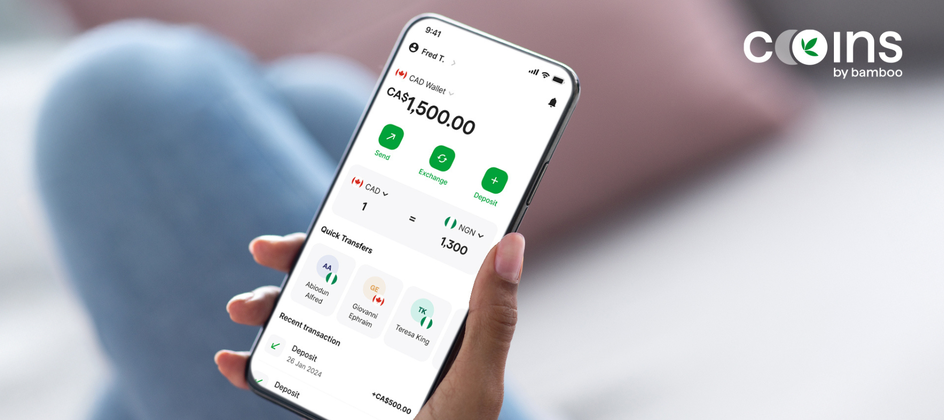
E-wallets and payment apps are digital platforms that allow individuals and businesses to send, receive, and store money electronically using smartphones or web applications. In Nigeria, where mobile penetration is high and cash dependency is still strong, these apps have become vital for bridging financial gaps. They enable users to pay bills, buy airtime, shop online, transfer funds, and even save or invest?all without visiting a traditional bank. The rise of fintech companies has accelerated financial inclusion by reaching millions of people who previously lacked access to banking services. E-wallets such as PalmPay, OPay, Kuda, and Paga have built extensive agent networks, ensuring that both urban and rural users can fund or withdraw from their wallets conveniently. Their low fees, speed, and promotions make them attractive alternatives to conventional banking channels. Security is also central, as these apps are regulated by the Central Bank of Nigeria (CBN) and often deploy strong encryption, PIN verification, and biometric logins to protect transactions. Beyond convenience, e-wallets support Nigeria?s growing digital economy by driving e-commerce, gig work, and ride-hailing payments. As adoption increases, they are not just payment tools but essential everyday financial companions.

Nigeria?s ride-hailing market has evolved into one of the most dynamic in Africa, driven by urbanization, traffic challenges, and the need for safer, more convenient transportation options. With millions of Nigerians relying on digital platforms for daily commuting, ride-hailing apps are no longer just a luxury but a necessity in major cities like Lagos, Abuja, and Port Harcourt. However, with several platforms competing for attention, it can be difficult to identify which apps truly deliver the best value, safety, and service quality. To address this, we have compiled a list of the 10 best ride-hailing apps in Nigeria, carefully ranked using a combination of verified user adoption data, customer reviews, and industry reports. This rating represents the most accurate and updated ranking of ride-hailing platforms in Nigeria, ensuring you make informed choices whether you?re seeking affordability, safety, reliability, or eco-friendly alternatives. From international giants like Uber and Bolt to fast-rising local innovators, here are the leading apps transforming mobility across Nigeria today.
.png)
This ranking highlights the top 10 road transport companies in Nigeria, carefully selected based on their service quality, safety records, fleet size, nationwide coverage, and customer satisfaction. From tech-driven leaders to long-standing industry veterans, these companies have consistently delivered reliable intercity and interstate transportation. Whether you're planning travel or logistics, this list provides insight into Nigeria?s most trusted and efficient road transport providers as of 2025.